Loading...
Done
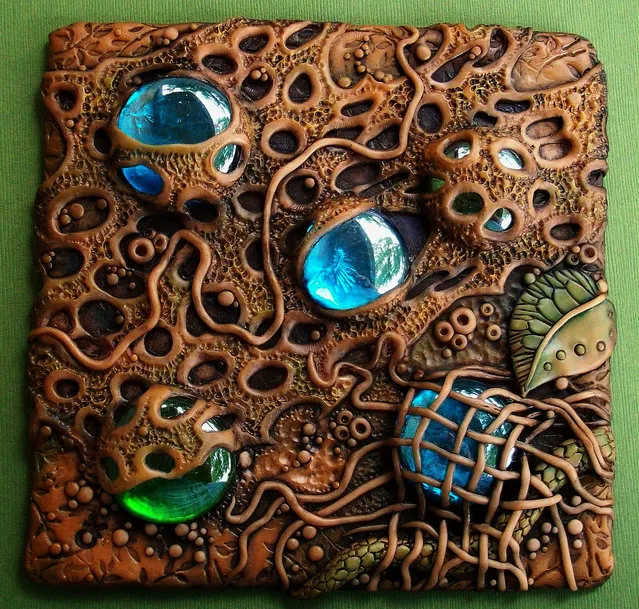
The Craft And Art Of Clay By Chris Kapono

My name is Chris Kapono and I am a self-taught artist living in Missouri. I have been drawing and painting ever since I can remember and art has been a big part of my life. My love of animals and nature is reflected in my art and sometimes interesting things I find on walks in the woods will find their way into some of my pieces!

Chris Kapono

Details
26 Aug 2015 14:25:00
Kelley McMann, Gator Rebel, 2002. (Photo by Malcolm Lightner)

The Mile O' Mud is a 7/8-mile oval track with a 1/8-mile diagonal lane slashed through the center. The racing lanes are approximately 60 feet wide. On average, the muddy water is four to six feet deep, with three strategically placed holes. The largest hole, located in front of the grandstand, is the treacherous “Sippy Hole”, named for the legendary driver “Mississippi” Milton Morris, Swamp Buggy King 1955, who repeatedly got stuck in it. (Photo by Malcolm Lightner)
Details
19 May 2016 11:20:00
Of all the species affected by river regulation in Australia, the ibis is one of the few that has changed its behaviour and moved to coastal cities. (Photo by Rick Stevens/The Guardian)

Tip turkey, dumpster chook, rubbish raptor – the Australian white ibis goes by many unflattering names. But it is a true urban success story, scavenging to survive in cities across Australia as wetlands have been lost. Wildlife photographer Rick Stevens captured them in Sydney. Here: Of all the species affected by river regulation in Australia, the ibis is one of the few that has changed its behaviour and moved to coastal cities. (Photo by Rick Stevens/The Guardian)
Details
11 Apr 2018 00:03:00
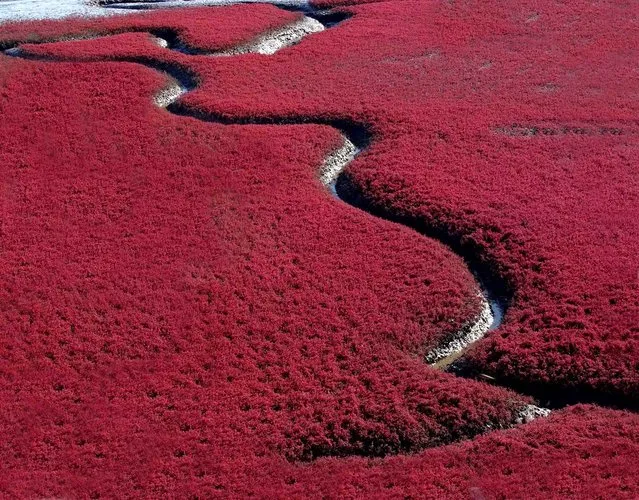
盘锦红海滩 (Panjin Red Beach). (Photo by 猪倌)

“The Red Beach is located in the Liaohe River Delta, about 30 kilometer southwest of Panjin City in China. The beach gets its name from its appearance, which is caused by a type of sea weed that flourishes in the saline-alkali soil...”. – Amusing Planet. Photo: Panjin Red Beach (盘锦红海滩). (Photo by 猪倌)


Details
10 Feb 2013 13:53:00
“Where the Summer Grass Leads”. (Kindra Nikole)

“Hello! My name is Kindra, and photography, over the last six months has become a happily all-consuming activity for me. Through my photos and creation of them, I escape into another world entirely, and then share that world with others. It brings me unending amounts of joy, and I never plan to stop!”. – Kindra Nikole

Photo: “Where the Summer Grass Leads”. (Photo by Kindra Nikole)
Details
25 Nov 2012 11:03:00
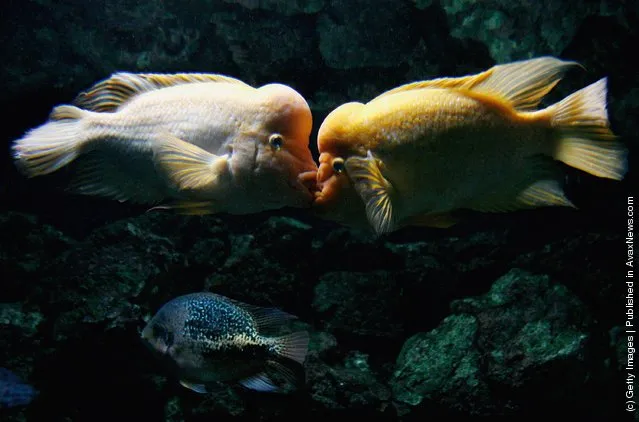
Midas Cichlid a.k.a. Amphilophus Citrinellus

“Amphilophus citrinellus is a large cichlid fish endemic to the San Juan River and adjacent watersheds in Costa Rica and Nicaragua. In the aquarium trade A. citrinellus is often sold under the trade name of Midas cichlid. A. citrinellus are omnivorous and their diet consists of plant material, molluscs and smaller fish”. – Wikipedia

Photo: Two Midas Cichlid (lat: amphilophus citrinellus) fish are seen in an aquarium at Hellabrunn zoo on December 23, 2009 in Munich, Germany. (Photo by Alexandra Beier/Getty Images)
Details
17 Aug 2011 11:29:00
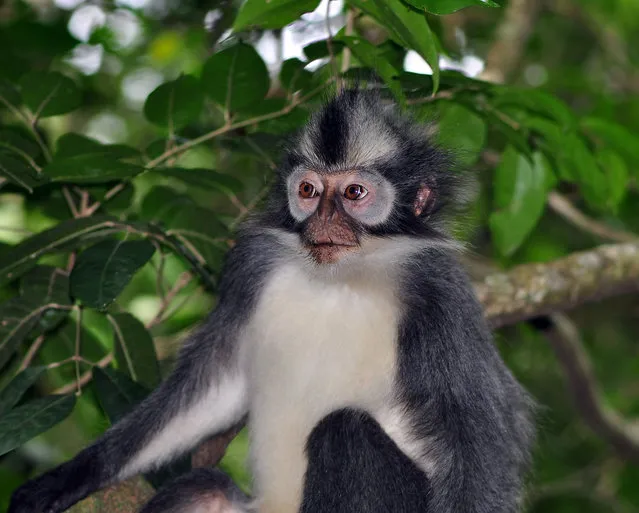
Gunung Leuser National Parkr"

Gunung Leuser National Park is a national park covering 7,927 km² in northern Sumatra, Indonesia, straddling the border of North Sumatra and Aceh provinces. The national park, named after Mount Leuser (3,381 m), protects a wide range of ecosystems. An orangutan sanctuary of Bukit Lawang is located inside the park. Together with Bukit Barisan Selatan and Kerinci Seblat national parks it forms a World Heritage Site, Tropical Rainforest Heritage of Sumatra.
Details
14 Jul 2013 10:28:00
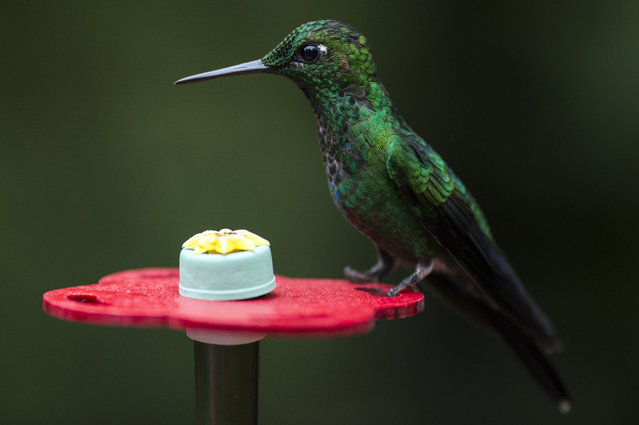
A Green Crowned Brilliant is pictured at a Hummingbird feeding station on January 15, 2016 in Alajuela Costa Rica. (Photo by Dan Kitwood/Getty Images)

A Green Crowned Brilliant is pictured at a Hummingbird feeding station on January 15, 2016 in Alajuela Costa Rica. Of the 338 known species of Hummingbird worldwide there are around 50 in Costa Rica. Hummingbirds are named for the distinctive sound made by their tiny beating wings, and are admired for their vibrantly coloured iridescent plumage. Their ability to hover, with wings beating between 12 and 90 times a second, and to fly backwards makes them different from all other birds. (Photo by Dan Kitwood/Getty Images)
Details
05 Feb 2016 10:45:00