Loading...
Done
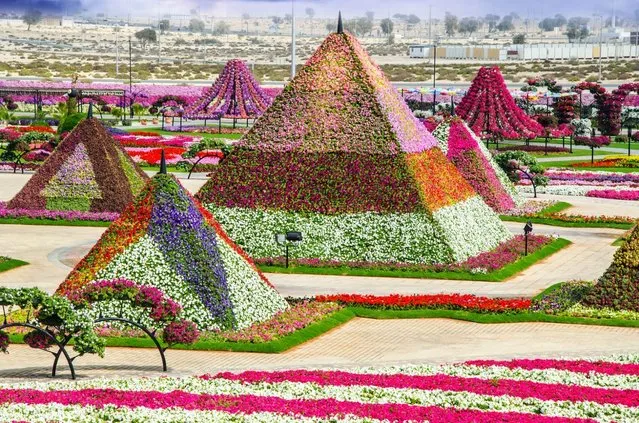
The Dubai Miracle Garden

The Dubai Miracle Garden is unique in that it was essentially built on a desert. Head landscaper Akar says that the grounds are a great example of how it is possible to “green the desert” by reusing waste water. Designers took additional precautions to protect the beautiful garden arrangements from the environment. For instance, the garden’s perimeter is lined with trees that are used as windbreakers. Unlike most of the gardens around the world, the Dubai Miracle Garden closes during the summer due to severe weather conditions.
Details
17 May 2015 09:00:00
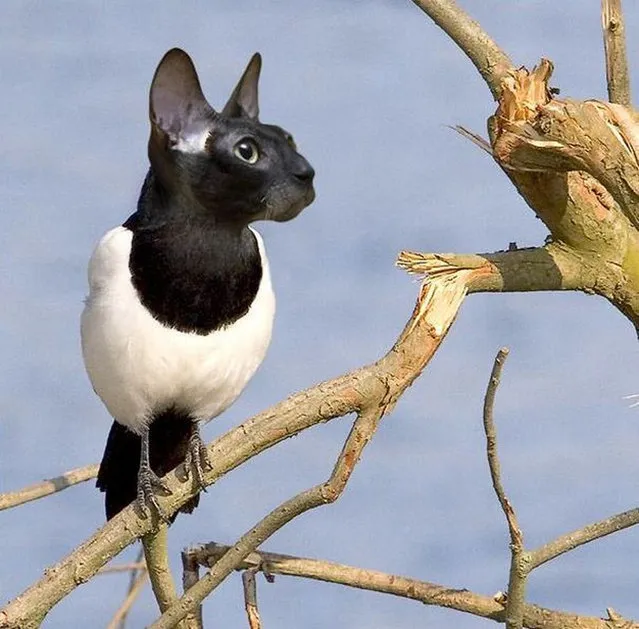
Impossible Animals By Jan Oliehoek. Part1

We’re showcasing photo-manipulation by Jan Oliehoek, a Dutch artist with a love for animals, photography and Photoshop. Oliehoek loves creating animal species that somehow never made it into our biology books, such as felines with rodent heads, lambs with the body of a squirrel, zebra rhinos and hippo-frogs! He’s currently having two of his pictures featured in Crazy Photography, an upcoming title from Vivays Publishing
Details
23 May 2013 11:34:00
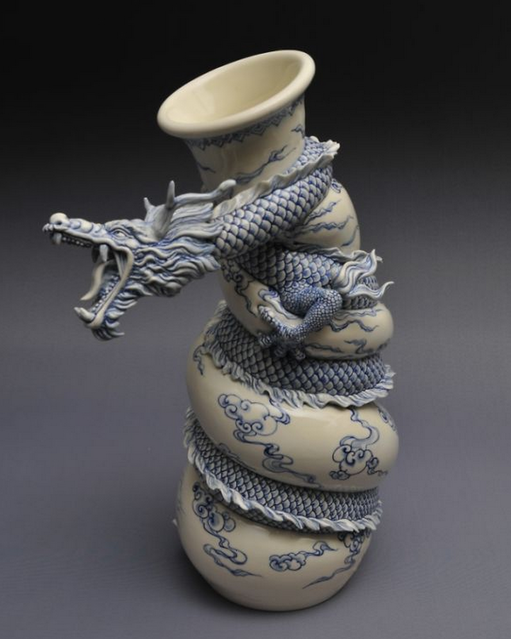
Beautiful Chinese Dragon Vase By Sculptor Johnson Tsang

Artist Johnson Tsang has been posting an amazing series of process photos over on his blog that demonstrate how he makes many of his bizarre ceramic creations. One piece that really stood out is called ‘A Painful Pot’, which is a functional teapot being squeezed by a dragon, its head functioning as the spout.
Details
03 Feb 2014 12:11:00
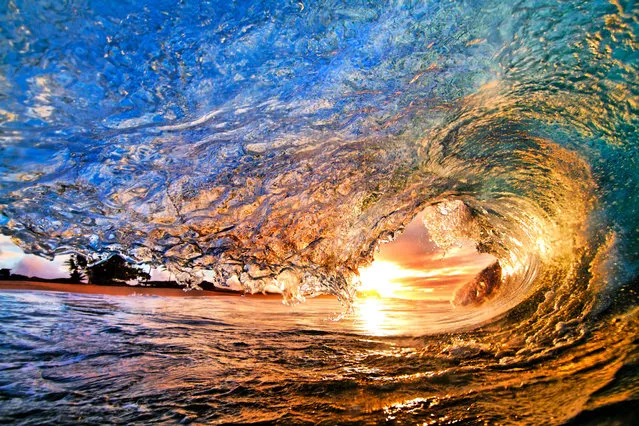
The most beautiful pictures of waves we've ever seen by Nick Selway/CJ Kale

“These incredible pictures capture the stunning moment waves roll on to a tropical beach. Photographers Nick Selway, 28, and pal CJ Kale, 35, position themselves in the magnificent Hawaiian water – and then wait for the waves to crash into their heads. Their only equipment are standard cameras – but a waterproof case means they do not need to sacrifice their cameras for their art”. (Photo by Nick Selway/CJ Kale)
Details
05 Jun 2012 09:31:00


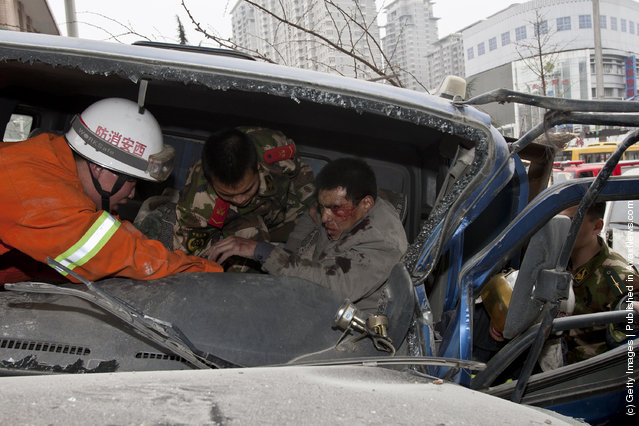
Rescuers work at the traffic accident site on April 1, 2011 in Xi'an, Shaanxi province of China. A truck collided with a bus at a cross on Friday morning. As the truck headed for the sidewalk, it collided into a pedestrian and 6 vehicles which were stopped nearby. As a result 16 people were injuried, one currently has severe injuries. (Photo by ChinaFotoPress/Getty Images)
Details
02 Apr 2011 12:08:00


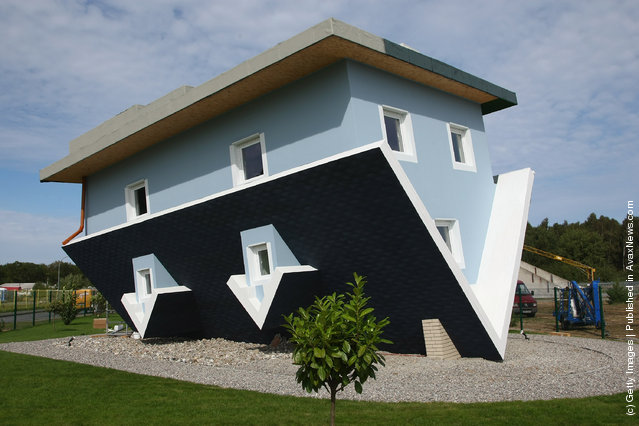
“The World Stands on its Head” (“Die Welt Steht Kopf”) House on the Baltic Sea Island of Usedom stands nearly completed on September 3, 2008 in Trassenheide, Germany. The upside down house, complete with upside down interior furnishings, is the brainchild of Klaudiusz Golos and Sebastian Mikiciuk, and will become a local tourist attraction. (Photo by Sean Gallup/Getty Images)
Details
19 Jun 2011 10:16:00
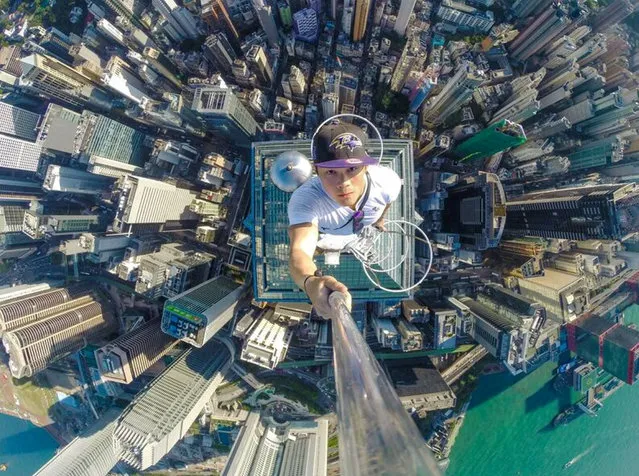
Roof-topping enthusiast Daniel Lau takes a selfie with high-rise buildings down below as he stands on the top of a skyscraper in Hong Kong, China on August 15, 2017. Welcome to “roof-topping”, where daredevils take pictures of themselves standing on the tops of tall buildings, or in some cases even dangling from them, without any safety equipment. A craze that began in Russia has now taken hold in Hong Kong, one of the world's most vertical cities, with dramatic results. “I'm an explorer”, said Daniel Lau, one of the three who climbed to the top of The Center. A student, he said roof-topping was “a getaway from my structured life”. “Before doing this, I lived like an ordinary person, having a boring life”, he said. “I wanted to do something special, something memorable. I want to let people see Hong Kong, the place they are living, from a new perspective”. Mr Lau said he had been inspired by Russian climbers and that he was unafraid of the vertiginous heights he scales. (Photo by ImagineChina/Rex Features/Shutterstock)

Roof-topping enthusiast Daniel Lau takes a selfie with high-rise buildings down below as he stands on the top of a skyscraper in Hong Kong, China on August 15, 2017. A craze that began in Russia has now taken hold in Hong Kong, one of the world's most vertical cities. Mr Lau said he had been inspired by Russian climbers and that he was unafraid of the vertiginous heights he scales. (Photo by ImagineChina/Rex Features/Shutterstock)
Details
16 Aug 2017 07:23:00
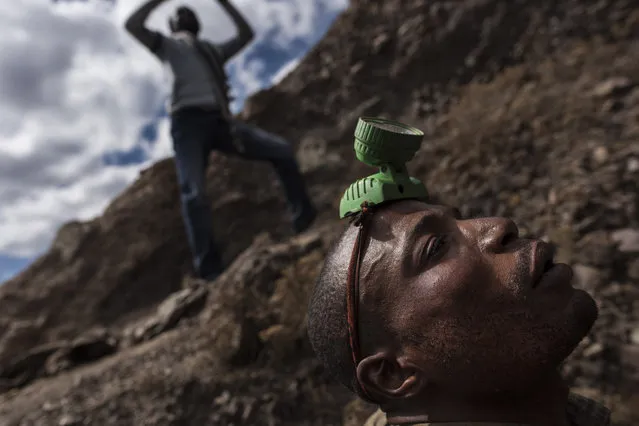
A “creuseur”, or digger, a plastic lantern on his head, readies to enter a copper and cobalt mine in Kawama, Democratic Republic of Congo on June 8, 2016. Cobalt is used in the batteries for electric cars and mobile phones. Working conditions are dangerous, often with no safety equipment or structural support for the tunnels. The diggers say they are paid on average US$2-3/day. (Photo by Michael Robinson Chavez/The Washington Post)

A “creuseur”, or digger, a plastic lantern on his head, readies to enter a copper and cobalt mine in Kawama, Democratic Republic of Congo on June 8, 2016. Cobalt is used in the batteries for electric cars and mobile phones. Working conditions are dangerous, often with no safety equipment or structural support for the tunnels. The diggers say they are paid on average US$2-3/day. (Photo by Michael Robinson Chavez/The Washington Post)
Details
30 Dec 2016 10:29:00