Loading...
Done
Untitled

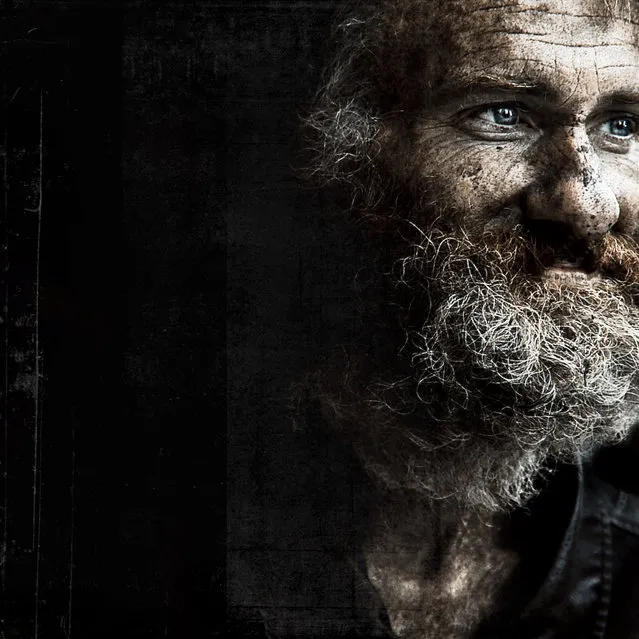
Untitled. (Photo by Lee Jeffries). P.S. The person in the photo – poured-out our yard keeper Volodya (it has no surnames, therefore it's simple – Volodya). It too the homeless, and too the good person (it's visible according to eyes). Looks after stray dogs and cats, every day feeds crowd of pigeons in a yard... I am on friendly terms with it. =) (Forgive please me for bad English – Translate.ru very much tried to inform to you my scanty thought).

Details
26 Oct 2012 12:31:00
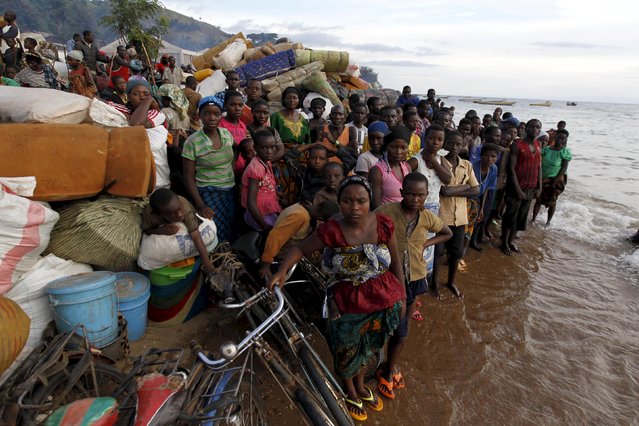
Burundian refugees gather on the shores of Lake Tanganyika in Kagunga village in Kigoma region in western Tanzania with their belongings, as they wait for MV Liemba to transport them to Kigoma township, May 17, 2015. (Photo by Thomas Mukoya/Reuters)

Burundian refugees gather on the shores of Lake Tanganyika in Kagunga village in Kigoma region in western Tanzania with their belongings, as they wait for MV Liemba to transport them to Kigoma township, May 17, 2015. Burundi's embattled President Pierre Nkurunziza sacked his defense and foreign ministers on Monday, five days after surviving an attempted coup by generals opposed to his bid for a third term in office. (Photo by Thomas Mukoya/Reuters)
Details
19 May 2015 11:50:00
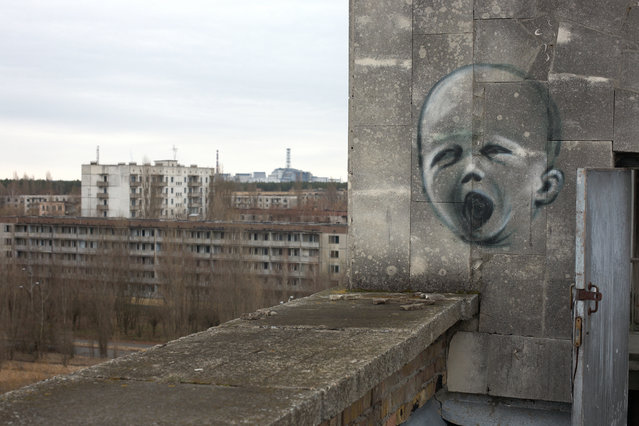
Graffiti of a crying baby on a wall, Chernobyl Power Plant, Chernobyl, Ukraine. (Photo by Hans Neleman/Getty Images)

The Chernobyl disaster was a catastrophic nuclear accident that occurred on 26 April 1986 at the Chernobyl Nuclear Power Plant in Ukraine, which was under the direct jurisdiction of the central authorities of the Soviet Union. The Chernobyl disaster is the worst nuclear power plant accident in history in terms of cost and resulting deaths, and is one of only two classified as a level 7 event (the maximum classification) on the International Nuclear Event Scale (the other being the Fukushima Daiichi nuclear disaster in 2011). Photo: Graffiti of a crying baby on a wall, Chernobyl Power Plant, Chernobyl, Ukraine. (Photo by Hans Neleman/Getty Images)
Details
27 Apr 2014 08:12:00
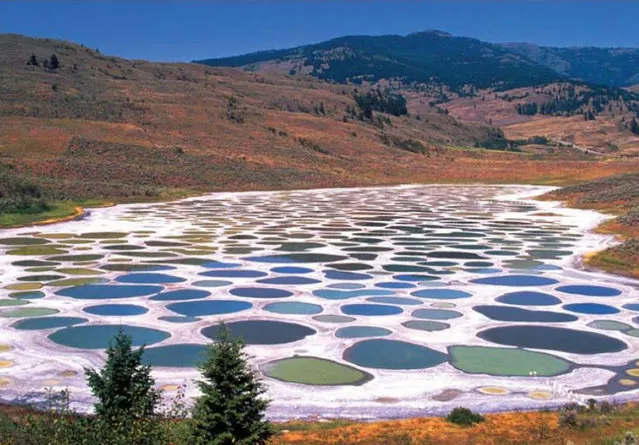
Kliluk, the Spotted Lake, Canada

Originally known to the First Nations of the Okanagan Valley as Khiluk, which was- and remains today revered as a sacred site producing therapeutic waters. During World War I the minerals of Spotted Lake were used in manufacturing ammunition. Later the area came under the control of the Ernest Smith Family, for a term of about 40 years. In 1979 Smith attempted to create interest in a spa at the lake. The First Nations responded with an effort to buy the lake; in October 2001 they finally struck a deal. First Nations arranged the purchase of 22 hectares of land for a total of $720,000, and contributed about 20% of the cost. The Indian Affairs Department paid the remainder.
Details
06 Mar 2015 12:59:00
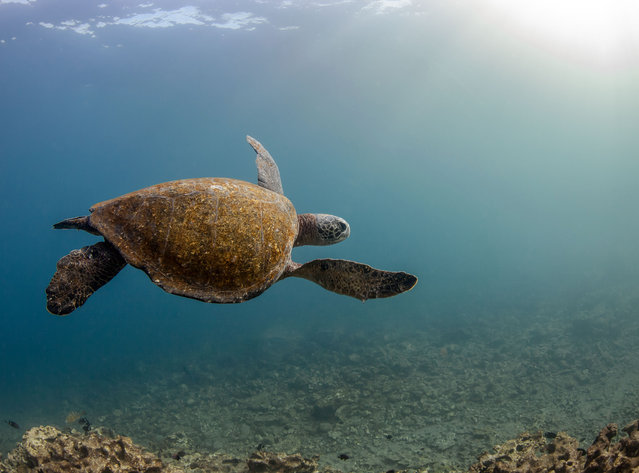
Green turtles take special care of their carapace, scraping algae off on rocks or letting cleaner fish remove parasites. Thanks to long-term protection of nesting sites, and measures to reduce the numbers caught in fishing gear, some green turtle populations are starting to recover. (Photo by Philip Hamilton/The Guardian)

Teeming with images of spectacular underwater scenes from around the world, Call of the Blue is the culmination of a five-year project by the photographer and ocean conservationist Philip Hamilton. This groundbreaking book includes contributions from acclaimed scientists and ocean “guardians”, who reveal what drove them to answer the call of the blue. (Photo by Philip Hamilton/The Guardian)
Details
23 Nov 2018 00:03:00


Cannabis had already dominated the world of medicine. More and more people become convinced of its effectiveness, especially in terms of treating known diseases (e.g., Epilepsy, Depression, and Anxiety). Such commotion resulted in several experts to create and establish pieces of research about cannabis. Factors affecting the pros and cons are identified and verified to know further whether or not it is a capable substance.
Details
22 Jan 2020 08:49:00
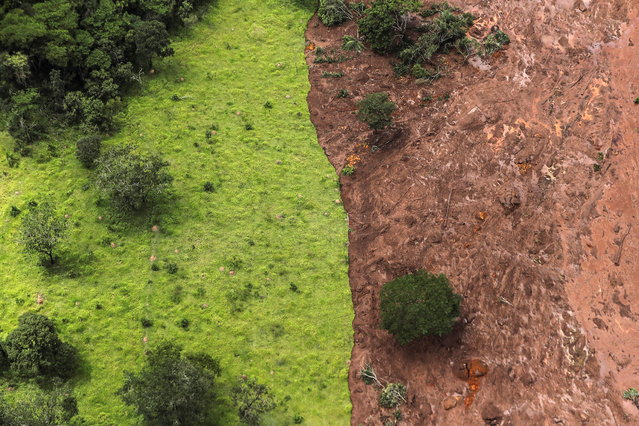
Aerial view over mud and waste from the disaster caused by dam spill in Brumadinho, Minas Gerais, Brazil, 26 January 2019. At least nine people have died and 300 are missing after a tailings dam burst at the Feijao mine in southeastern Brazil owned by Vale, the world's largest iron-ore producer, the Minas Gerais state government said. The dam in Brumadinho near Belo Horizonte broke on 25 January at around mid-day, unleashing a river of sludge that destroyed some nearby houses. (Photo by Antonio Lacerda/EPA/EFE)

Aerial view over mud and waste from the disaster caused by dam spill in Brumadinho, Minas Gerais, Brazil, 26 January 2019. At least nine people have died and 300 are missing after a tailings dam burst at the Feijao mine in southeastern Brazil owned by Vale, the world's largest iron-ore producer, the Minas Gerais state government said. The dam in Brumadinho near Belo Horizonte broke on 25 January at around mid-day, unleashing a river of sludge that destroyed some nearby houses. (Photo by Antonio Lacerda/EPA/EFE)
Details
29 Jan 2019 00:03:00
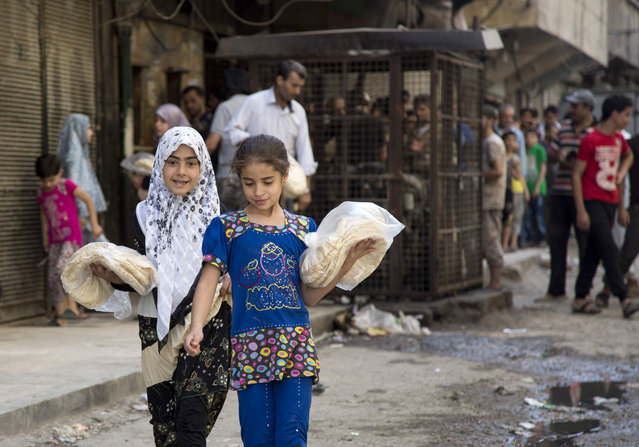
Syrian girls carry bags with bread as people queue up outisde a bakery in a rebel held neighbourhood in the northern city of Aleppo on July 12, 2016. Since mid-2012, Aleppo has been roughly divided between government control in the west and rebel control in the east, and has suffered enormous destruction in the war that has killed more than 280,000 people nationwide. Last week, a government advance brought regime troops within firing range of the Castello Road, the only remaining supply route into the opposition-held east, effectively severing rebel neighbourhoods from the outside world. With their route to the outside world cut, there is no new flour coming to the city's bakeries, and fuel to light their ovens is also now hard to find. (Photo by Karam Al-Masri/AFP Photo)

Syrian girls carry bags with bread as people queue up outisde a bakery in a rebel held neighbourhood in the northern city of Aleppo on July 12, 2016. Since mid-2012, Aleppo has been roughly divided between government control in the west and rebel control in the east, and has suffered enormous destruction in the war that has killed more than 280,000 people nationwide. Last week, a government advance brought regime troops within firing range of the Castello Road, the only remaining supply route into the opposition-held east, effectively severing rebel neighbourhoods from the outside world. With their route to the outside world cut, there is no new flour coming to the city's bakeries, and fuel to light their ovens is also now hard to find. (Photo by Karam Al-Masri/AFP Photo)
Details
08 Aug 2016 10:02:00