Loading...
Done
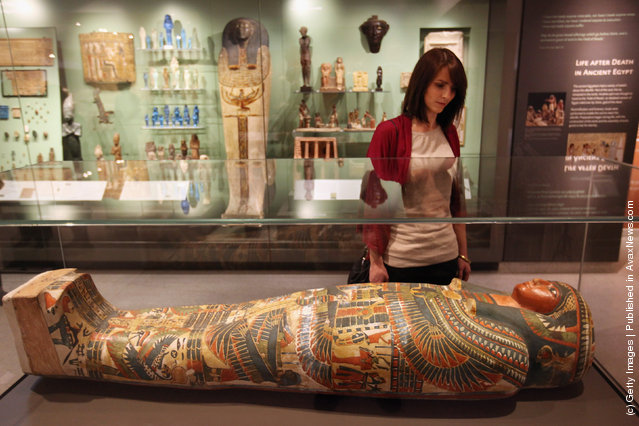
A woman views the Mummy of Meresamun

A woman views the Mummy of Meresamun in the Ashmolean Museum's new exhibition of artifacts from ancient Egypt and Nubia on November 23, 2011 in Oxford, England. The new gallery is displaying for the first time in decades some of the finest Egyptian and Nubian artifacts in the UK. The Egyptian collection opens to the public from November 26, 2011. (Photo by Oli Scarff/Getty Images)
Details
24 Nov 2011 15:37:00
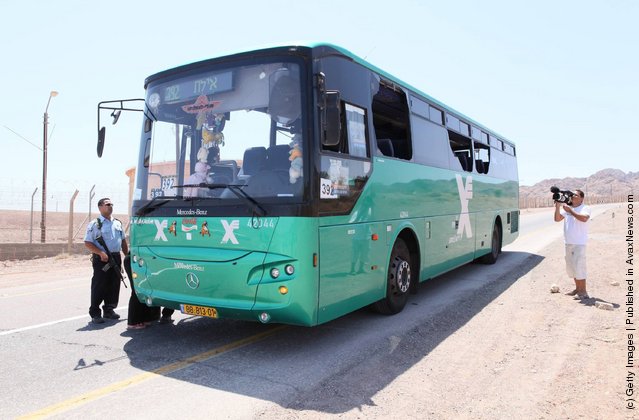
Several Killed In Attacks Near Egyptian Border

Bus 392 stands on the highway running from Beersheva to Eilat, with windows broken following a gun attack on August 18, 2011 near the Israel - Egypt border, Israel. A series of coordinated gun and roadside bomb attacks against miltary and civilian targets near the Israeli - Egyptian border, including an ambush on the bus travellling 20km north of Eilat, are reported to have left 5 dead and many injured. (Photo by Yehuada Ben Itah/Getty Images)
Details
19 Aug 2011 09:08:00
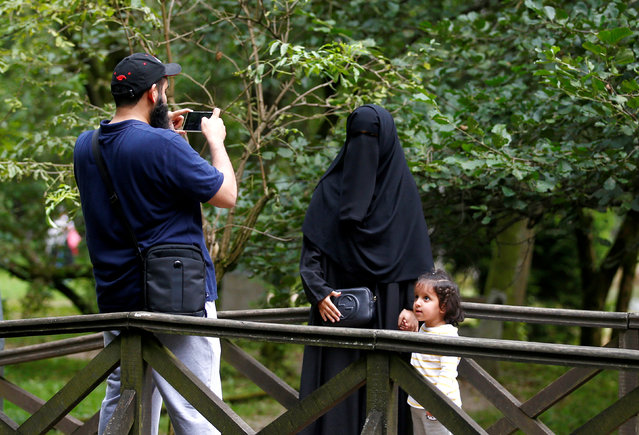
Tourists from the Middle East take pictures at Vrelo Bosne nature park in Ilidza near Sarajevo, Bosnia and Herzegovina, August 19, 2016. (Photo by Dado Ruvic/Reuters)

Tourists from the Middle East take pictures at Vrelo Bosne nature park in Ilidza near Sarajevo, Bosnia and Herzegovina, August 19, 2016. They discovered mountainous Bosnia, where half the population is Muslim, after the Arab Spring which destabilized many traditional holiday destinations such as Libya, Tunisia and Egypt. (Photo by Dado Ruvic/Reuters)
Details
25 Aug 2016 09:37:00
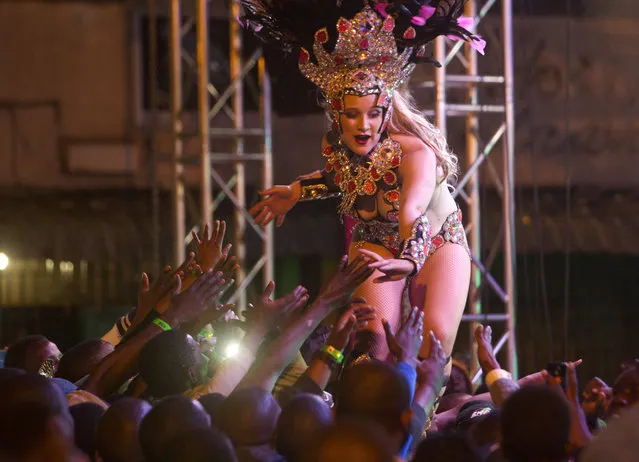
In this picture taken Friday, September 8, 2017, Brazilan Samba dancers perform on stage during the Harare International Carnival in the capital. (Photo by Tsvangirayi Mukwazhi/AP Photo)

In this picture taken Friday, September 8, 2017, Brazilan Samba dancers perform on stage during the Harare International Carnival in the capital. An international carnival aimed at boosting the local tourism industry has ended in economically troubled Zimbabwe. Some viewed the Harare festivities, which ended Sunday and featured artists and dancers from Brazil, Cuba, Egypt and elsewhere, as a relief from the struggle to get by in the southern African country. (Photo by Tsvangirayi Mukwazhi/AP Photo)
Details
14 Sep 2017 08:13:00


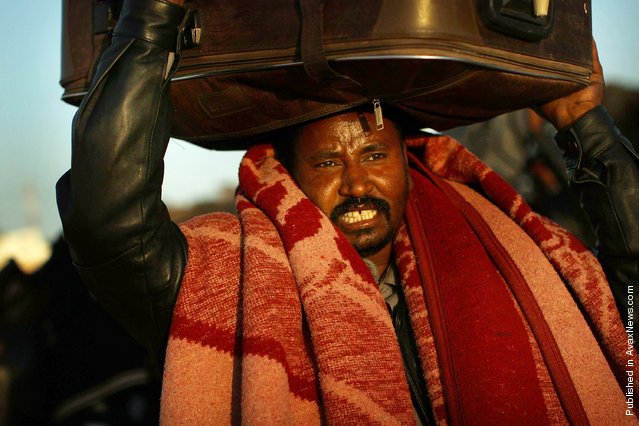
A Sudanese man walks to a United Nations displacement camp after crossing into Tunisia from Libya on March 06, 2011 in Ras Jdir, Tunisia. As fighting continues in and around the Libyan capital of Tripoli, tens of thousands of guest workers from Egypt, Tunisia, Bangladesh and other countries are fleeing to the border of Tunisia to escape the violence. The situation has turned into a humanitarian emergency as fledgling Tunisia is overwhelmed with the workers. Libyan leader Muammar Gaddafi has vowed to fight to the end. (Photo by Spencer Platt/Getty Images). RAS JDIR, TUNISIA – MARCH 06 2011
Details
10 Mar 2011 11:44:00
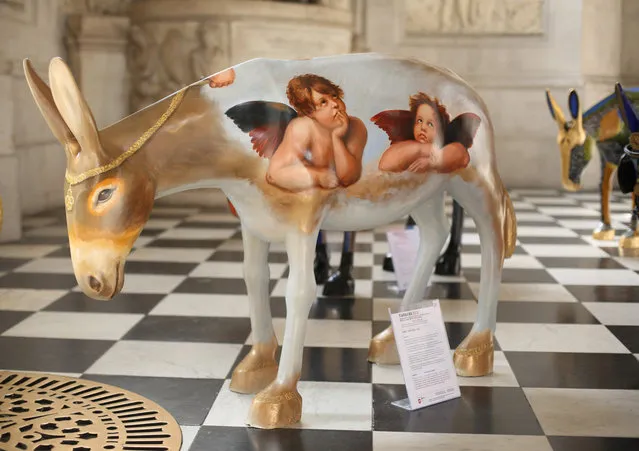
Artist painted donkey statues are displayed in the “Caravan” exhibition on August 30, 2013 in London, England. (Photo by Peter Macdiarmid/Getty Images)

Twenty five life-size donkeys have been given pride of place in St Paul's Cathedral as part of an interfaith exhibition. They've been painted by Egyptian and Western artists, to show solidarity for the people of Egypt. Photo: Artist painted donkey statues are displayed in the “Caravan” exhibition on August 30, 2013 in London, England. (Photo by Peter Macdiarmid)
Details
01 Sep 2013 09:39:00
Beauty_By_Fulani

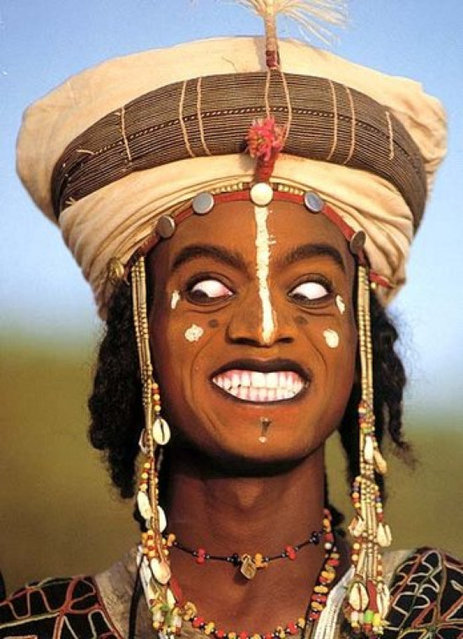
Fula people or Fulani or Fulbe are an ethnic group spread over many countries, predominantly in West Africa, but found also in Central Africa and Sudanese North Africa. African countries where they are present include Mauritania, Ghana, Senegal, Guinea, The Gambia, Mali, Nigeria, Sierra Leone, Benin, Burkina Faso, Guinea Bissau, Cameroon, Côte d'Ivoire, Niger, Chad, Togo, the Central African Republic, Liberia, and as far as Sudan and Egypt in the East. Fula people form a minority in every country they inhabit, but in Guinea they represent a plurality of the population (40%).
Details
25 Sep 2012 10:17:00
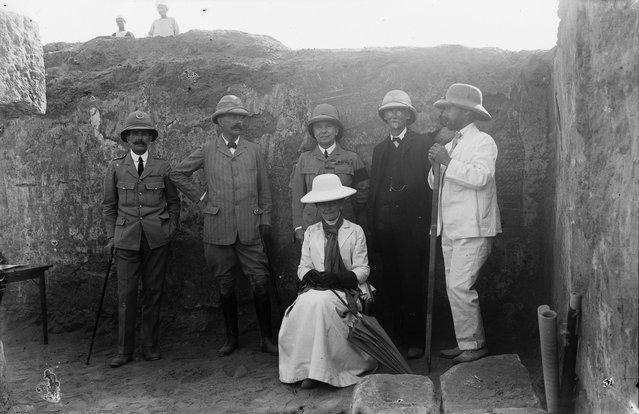
Remarkable discoveries were made, like the decapitated head of a bronze statue of Roman emperor Augustus, sacked from a raid on Roman garrisons further north in Egypt. Here: A group visiting the excavations at Meroë, including (from left) Midwinter Bey, director of Sudan Railways; Lord Kitchener; General Sir Francis Reginald Wingate, Sirdar of the Egyptian Army; Professor Archibald Sayce; John Garstang; and Lady Catherine Wingate, 1911. (Photo by Garstang Museum of Archaeology)

The city of Meroë laid undiscovered for two millennia before British archaeologist John Garstang excavated it in the early 20th century. Garstang took the radical decision to document his discoveries with photography – and immortalised an ancient world. “Meroë: Africa’s Forgotten Empire” is being shown until 14 September at Garstang Museum of Archaeology, Liverpool. Here: A group visiting the excavations at Meroë, including (from left) Midwinter Bey, director of Sudan Railways; Lord Kitchener; General Sir Francis Reginald Wingate, Sirdar of the Egyptian Army; Professor Archibald Sayce; John Garstang; and Lady Catherine Wingate, 1911. (Photo by Garstang Museum of Archaeology)
Details
15 Jun 2016 14:49:00