U.S. Corporal Stanley Suski, left, and Miss Tamako, a Geisha girl, whirl a bit of Jitterbug, in a bar, in Tokyo, Japan, on October 1, 1945. (Photo by AP Photo)
Demonstrators wear skull masks during an anti government protest, as Chile's President Michelle Bachelet delivers a speech inside the National Congress, in Valparaiso city, Chile May 21, 2016. (Photo by Ivan Alvarado/Reuters)
A little boy shouts “Earthquake!” during a shouting contest, part of the annual evacuation drill on the National Disaster Prevention Day on September 1, 1986. The contest was aimed at teaching youngsters the importance of telling neighbors quickly and loudly of a disaster when it hits. The drill is annually conducted through out the country on the day marking the anniversary of the Great Kanto Earthquake that hit the Japanese capital and its vicinity on September 1, 1923, killing more than 104,000 people. (Photo by Sadayuki Mikami/AP Photo)
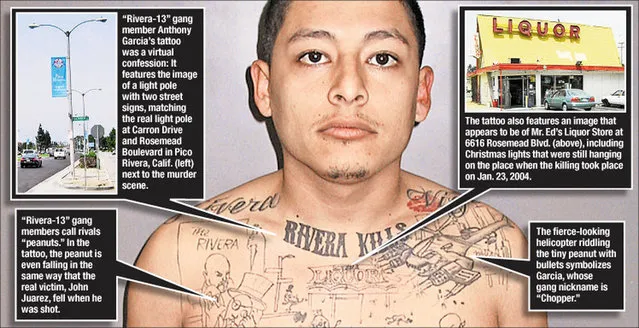
Tattoos are commonly used among criminals to show gang membership and record the wearer's personal history—such as his or her skills, specialties, accomplishments and convictions. They are also used as a means of personal expression. Certain designs have developed recognized coded meanings. The code systems can be quite complex and because of the nature of what they encode, the tattoo designs are not widely recognized.
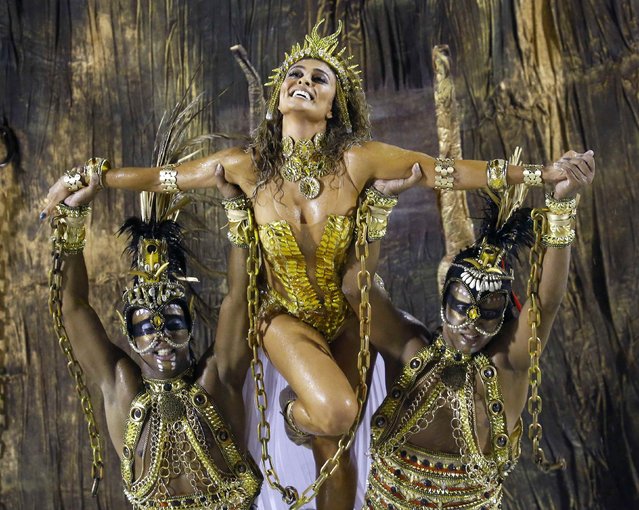
Model Juliana Paesthe (C) of Viradouro samba school participates in the annual carnival parade in Rio de Janeiro's Sambadrome, February 15, 2015. (Photo by Ricardo Moraes/Reuters)
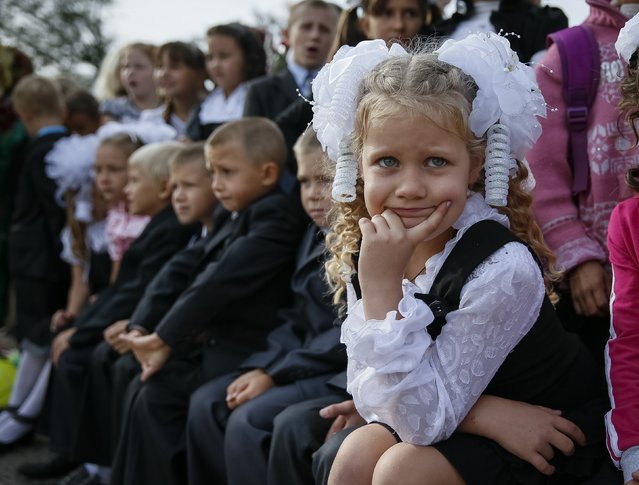
First graders attend a festive ceremony to mark the start of another school year in Slaviansk, September 1, 2014. September 1 marks the start of a new academic year for students in Ukraine. (Photo by Gleb Garanich/Reuters)
The selfie is the most popular photography trend of the internet today. It's gotten so popular, in fact, that even our beloved feline friends have started to catch on. I dare you to keep the smile off your face for this one!
Throughout the course of the long war in Afghanistan, Coalition troops have relied on thousands of military working dogs to help keep them safe, and make their jobs easier. The dogs are trained to detect explosives, to find illegal drugs, to search for missing comrades, or target enemy combatants. Not only are they active on the front lines, but behind the lines they serve as therapy dogs, service dogs, and loyal companions. They also share the same risks as the ground troops, suffering injuries and sometimes death on the battlefields. Gathered here are images of these dogs and their handlers in Afghanistan and back home, from over the past several years, part of the ongoing series here on Afghanistan.