Loading...
Done


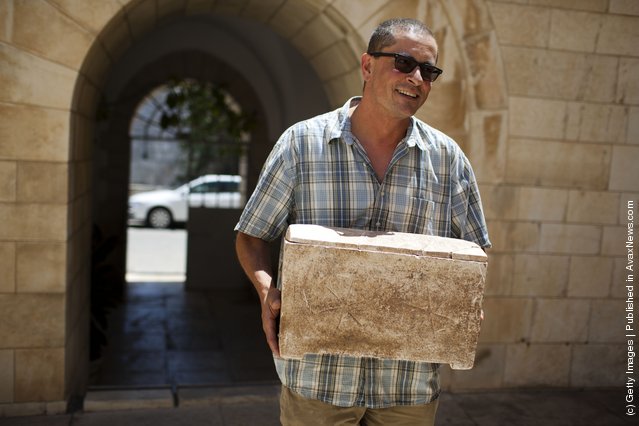
Doctor Boaz Zissu of the Bar Ilan University shows the inscription on a 2,000-year-old ossuary at the Rockefeller Museum on June 30, 2011 in Jerusalem, Israel. The Israel Antiquities Authority have confirmed the credibility of the ancient ossuary, otherwise known as a stone chest in which to store bones, as bearing the name of a relative of the high priest Caiaphas from the New Testament. Laboratory tests have come back saying that the inscription with the name of “Miriam daughter of Yeshua son of Caiaphas, priest of Maaziah from Beth Imri” is both “genuine and ancient”. (Photo by Uriel Sinai/Getty Images)
Details
01 Jul 2011 11:35:00
Antarctic World Record Attempt

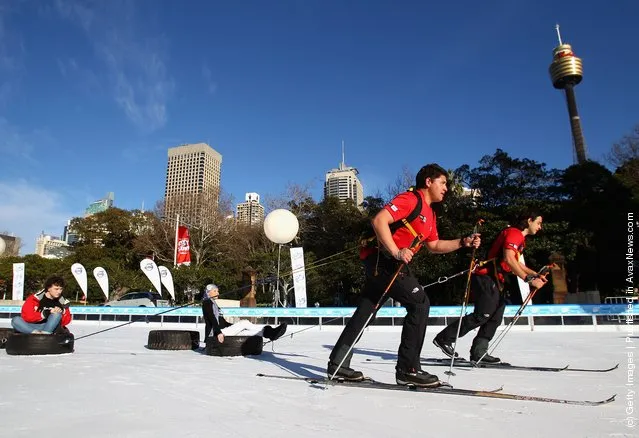
James Castrission, “Cas” and Justin Jones “Jonesy” ski across an ice staking rink with two “You Can” patients on August 2, 2011 in Sydney, Australia. In 75 days, the Aussie adventure pair will attempt to cross 2,200 kilometres of Antarctic ice to the South Pole and back on foot to raise money for youth with cancer. The journey will require the two to trek with all the supplies for approximately three months of walking. Cas and Jonesy became the first to kayak unassisted over 3,300 kilometres from New Zealand to Australia in 2008. (Photo by Ryan Pierse/Getty Images)
Details
02 Aug 2011 14:00:00
Charite Hospital Returns Herero Skulls To Namibia

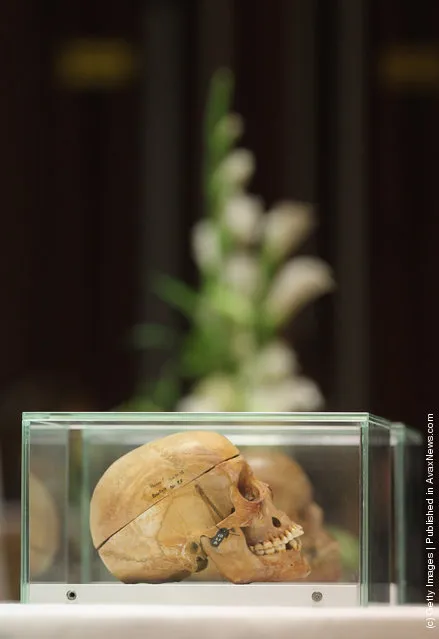
Two of 20 skulls to be taken possession of by a delegation from Namibia stand on display at a ceremony at Charite hospital on September 30, 2011 in Berlin, Germany. The skulls are from Herero and Nama tribespeople taken by German colonial forces between 1904 and 1908, when the Germans violently suppressed an uprising in what was then German Southwest Africa, which is today's Namibia, and in the process killed tens of thousand of Herero and Nama. German scientists at the time took the skulls back to Berlin to demonstrate the racial superiority of Europeans over black Africans. Many Namibians demand a formal apology from the German government. (Photo by Sean Gallup/Getty Images)
Details
02 Oct 2011 11:42:00
Kenguru Electric Car For Disabled People

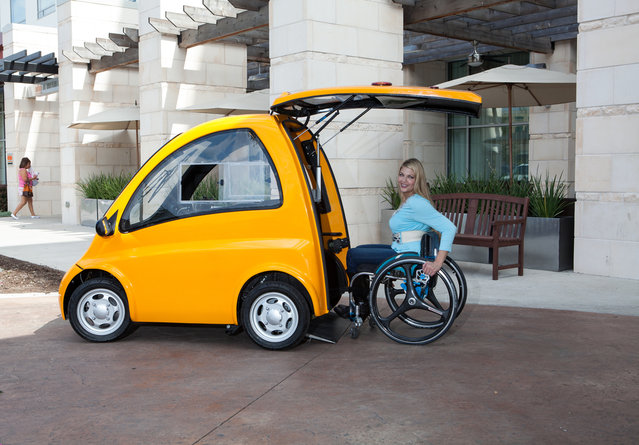
Never before was there a car designed exclusively for handicapped people that can only move around in a wheelchair. In the past, such people had to rely on others to drive them. Thus, it was impossible to be spontaneous and drive somewhere on a whim. Now, however, a completely revolutionary vehicle has been invented. Kenguru electric car allows for the person to roll into the back of it right on their wheelchair, strap in, and start driving. Though this vehicle might not be very fast with the maximum speed of 25 mph, it is will certainly make the lives of countless people much easier. (Photo by Kenguru.com)
Details
20 Oct 2014 08:38:00
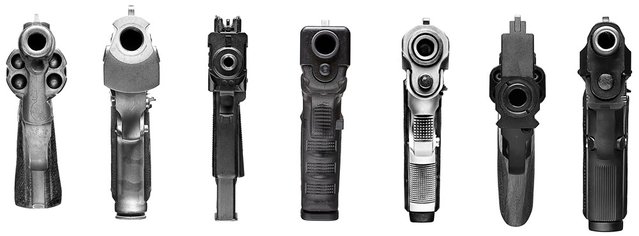
“Point Blank” – Gun Series by Peter Andrew. (Photo by Peter Andrew)

“Guns have a massive amount of power associated with them. They are designed to kill. We decided to photograph portraits of them in a similar way you might photograph a powerful person. Like powerful people, pistols have this “perfect” quality that we wanted to explore. As we started shooting them, we could see flaws in their design. Metal burring around the barrels, scratches in the metal. This imperfection and detail were very interesting to us; connecting us back to these images as portraits”. – Peter Andrew. (Photo by Peter Andrew/Simon Duffy/Derek Blais)
Details
26 Aug 2013 10:03:00
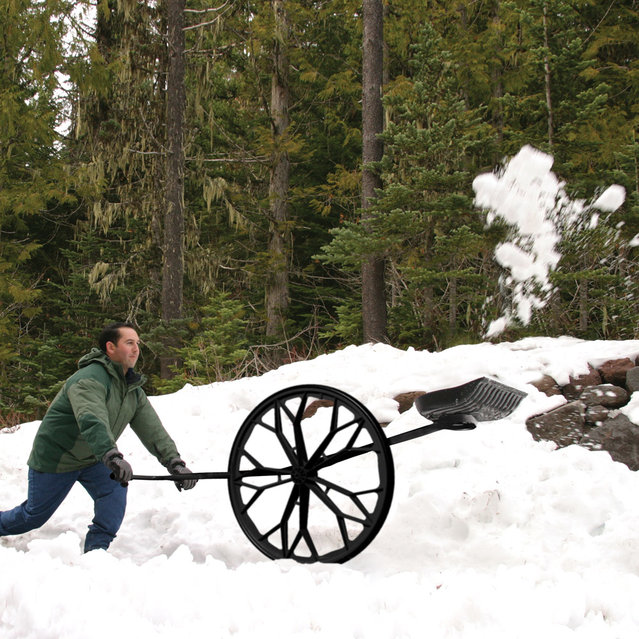
Wovel - The Ultimate Snow Shovel

The Wovel could possibly be the most advanced human snow removal machine ever created, next to simply getting someone else to do it. The revolutionary wheel design reduces the risks associated with heart attacks and back injuries because it uses adjustable leverage and your own body weight to push, lift, and throw snow up to 18" deep. The best feature about the Wovel is compared to a gas-powered snow blower, this one will always start.
Details
22 Dec 2013 11:17:00
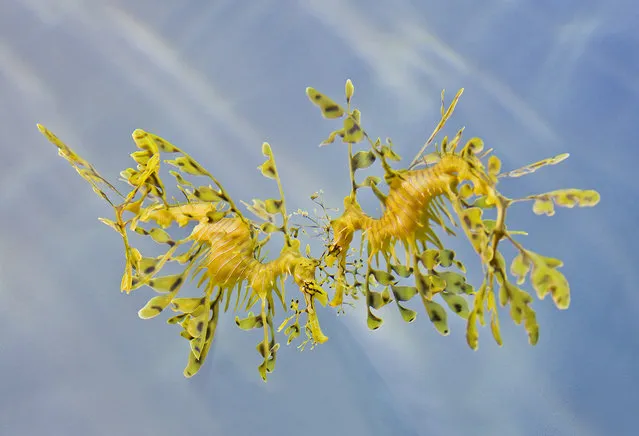
Leafy sea dragon

The leafy seadragon or Glauert's seadragon, Phycodurus eques, is a marine fish in the family Syngnathidae, which also includes the seahorses. It is the only member of the genus Phycodurus. It is found along the southern and western coasts of Australia. The name is derived from the appearance, with long leaf-like protrusions coming from all over the body. These protrusions are not used for propulsion; they serve only as camouflage. The leafy seadragon propels itself by means of a pectoral fin on the ridge of its neck and a dorsal fin on its back closer to the tail end. These small fins are almost completely transparent and difficult to see as they undulate minutely to move the creature sedately through the water, completing the illusion of floating seaweed.
Details
05 Sep 2012 08:51:00


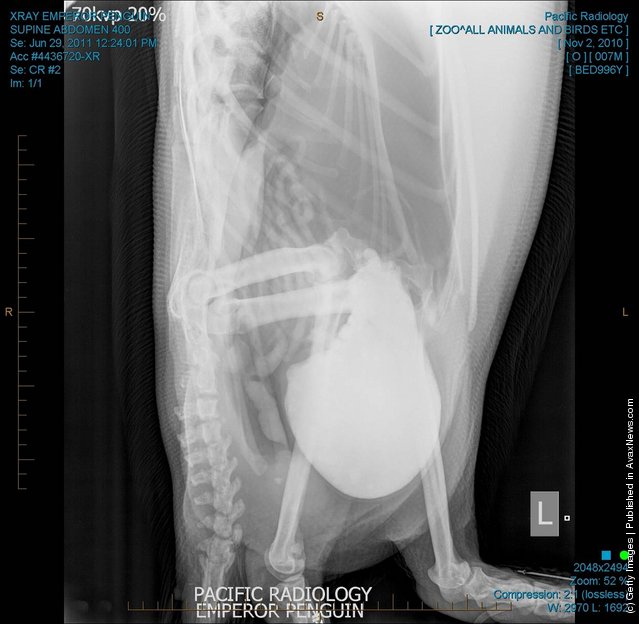
“Happy Feet” the emperor penguin that washed up on the Kapiti Coast last week, undergoes a medical examination at Wellington Zoo on June 29, 2011 in Wellington, New Zealand. The young penguin landed on NZ shores last week, after traveling over 3,000 kilometres from the antarctic. The ill penguin was operated on at Wellington Zoo several times this week to remove sand and sticks from it's stomach with hopes it will recover fully. A team of experts is likely to decide today, whether the bird will remain in captivity in New Zealand, or be transported back the the antarctic. (Photo by Hagen Hopkins/Getty Images)
Details
29 Jun 2011 11:26:00