Loading...
Done


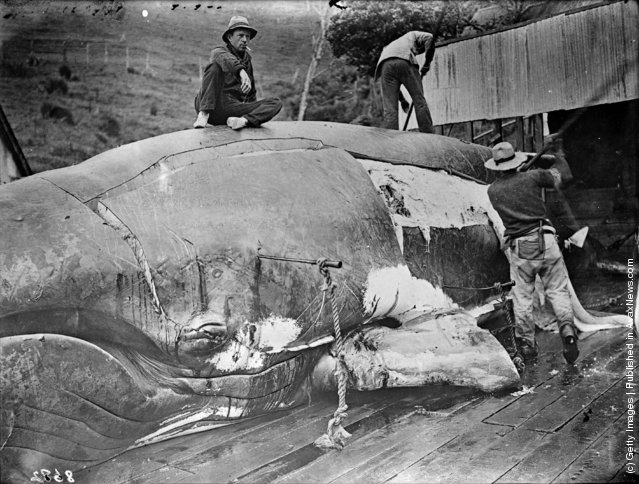
Men slicing blubber off a large, dead whale. (Photo by Topical Press Agency/Getty Images). Circa 1912
Details
08 Jun 2011 09:12:00


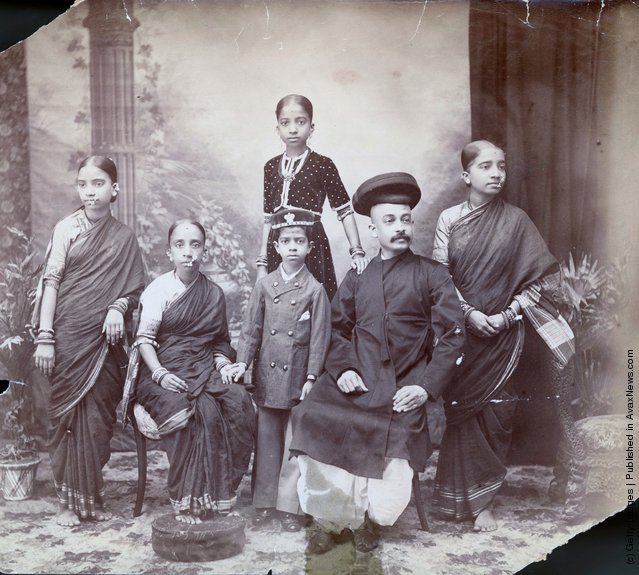
An Indian Brahmin and his family. (Photo by Hulton Archive/Getty Images). Circa 1890
Details
22 Jul 2011 11:08:00
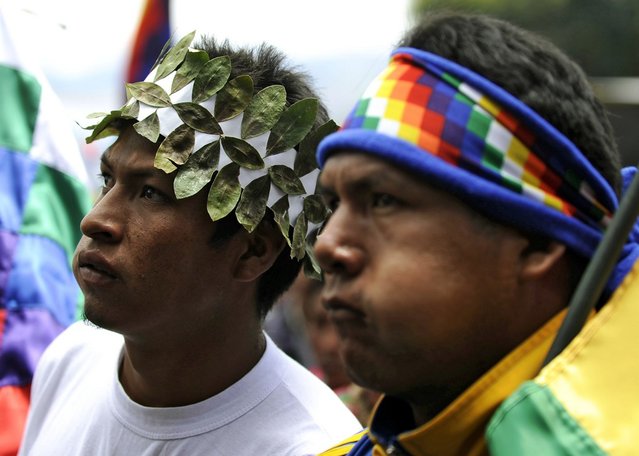
Coca growers chew coca leaves during a celebration for the reincorporation of Bolivia to the UN Convention Against Illicit Traffic in Narcotic Drugs in La Paz on January 14, 2013. "The coca leaf is not any more seen as cocaine (..), it is a victory of our identity" said Bolivian President Evo Morales. AFP PHOTO/Jorge Bernal        (Photo credit should read JORGE BERNAL/AFP/Getty Images)

Coca growers chew coca leaves during a celebration for the reincorporation of Bolivia to the UN Convention Against Illicit Traffic in Narcotic Drugs in La Paz on January 14, 2013. “The coca leaf is not any more seen as cocaine (...), it is a victory of our identity” said Bolivian President Evo Morales. (Photo by Jorge Bernal/AFP Photo)
Details
15 Jan 2013 10:16:00
Faithful carry a boat out to sea, filled with offerings to Yemanja, the African sea goddess, during a ceremony honoring the deity in Montevideo, Uruguay, Saturday, February 2, 2013. Thousands of worshippers come to the beach in Montevideo on her feast day, February 2, bearing candles, flowers, perfumes and fruit to show their gratitude for her blessings bestowed upon them. The belief in the goddess sprouts from Umbanda, a blend of religions that include African, Catholicism and Spiritism. (Photo by Matilde Campodonico/AP Photo)

Faithful carry a boat out to sea, filled with offerings to Yemanja, the African sea goddess, during a ceremony honoring the deity in Montevideo, Uruguay, Saturday, February 2, 2013. Thousands of worshippers come to the beach in Montevideo on her feast day, February 2, bearing candles, flowers, perfumes and fruit to show their gratitude for her blessings bestowed upon them. The belief in the goddess sprouts from Umbanda, a blend of religions that include African, Catholicism and Spiritism. (Photo by Matilde Campodonico/AP Photo)
Details
03 Feb 2013 13:14:00
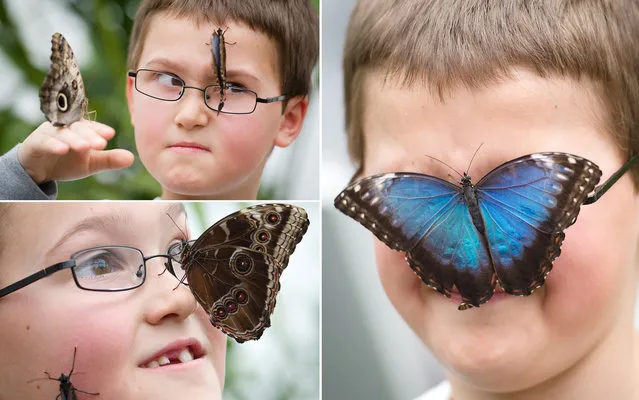
A boy poses with a butterfly on his face during a photocall to promote the "Sensational Butterflies" exhibition at the Natural History Museum in central London, on March 25, 2013.  With around 400 live tropical butterflies and moths living in the temporary facility, visitors will get the chance to see them flying freely as well as looking for emerging butterflies at the hatchery window. Running from March 29 to September 15, 2013, the exhibition is housed in a structure in the museum grounds. (Photo by Leon Neal/AFP Photo)

A boy poses with a butterfly on his face during a photocall to promote the “Sensational Butterflies” exhibition at the Natural History Museum in central London, on March 25, 2013. With around 400 live tropical butterflies and moths living in the temporary facility, visitors will get the chance to see them flying freely as well as looking for emerging butterflies at the hatchery window. Running from March 29 to September 15, 2013, the exhibition is housed in a structure in the museum grounds. (Photo by Leon Neal/AFP Photo)
Details
26 Mar 2013 13:37:00
A man takes a photo of a radio antenna that's part of the Atacama Large Milimeter Array Observatory on March 12, 2013 at Llano de Chajnantor, about 43 miles (70 kilometers) from San Pedro de Atacama, Chile. The $1.5 billion ALMA facility, which had its official inauguration on March 13, is considered the world's most expensive ground-based observatory. (Photo by Felipe Trueba/EPA)

A man takes a photo of a radio antenna that's part of the Atacama Large Milimeter Array Observatory on March 12, 2013 at Llano de Chajnantor, about 43 miles (70 kilometers) from San Pedro de Atacama, Chile. The $1.5 billion ALMA facility, which had its official inauguration on March 13, is considered the world's most expensive ground-based observatory. (Photo by Felipe Trueba/EPA)
Details
03 Apr 2013 09:25:00
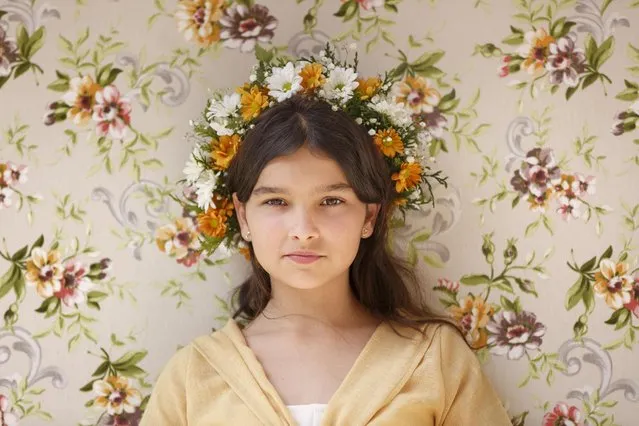
A “Maya” girl sits in an altar during the traditional celebration of “Las Mayas” on the streets in Madrid, Spain Sunday, May 10, 2015. The festivity of the Maya comes from pagan rites and dates from the medieval age, appearing in ancient documents. It takes place every year in the beginning of May and celebrates the beginning of the spring. (Photo by Daniel Ochoa de Olza/AP Photo)

A “Maya” girl sits in an altar during the traditional celebration of “Las Mayas” on the streets in Madrid, Spain Sunday, May 10, 2015. The festivity of the Maya comes from pagan rites and dates from the medieval age, appearing in ancient documents. It takes place every year in the beginning of May and celebrates the beginning of the spring. Girls between 7 and 11 years old are chosen as “Maya” and should sit still, serious and quiet for a couple of hours in altars on the street decorated with flowers and plants and afterwards they walk to the church with their family where they attend a ceremony. (Photo by Daniel Ochoa de Olza/AP Photo)
Details
14 May 2015 11:12:00
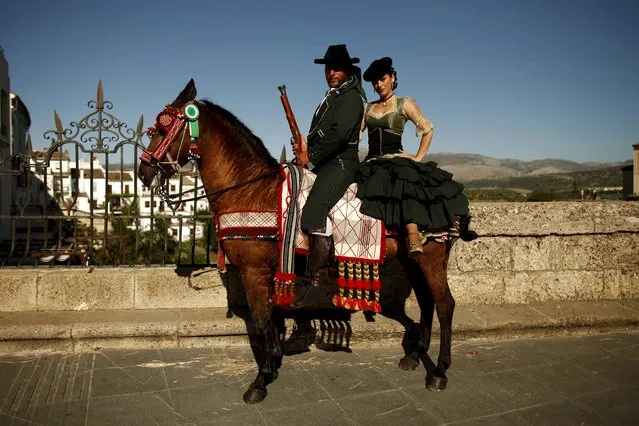
Francisco Javier Moreno (L), 35, and his wife Maria Auxiliadora Canca, 34, dressed as bandits pose for a photo with their horse as they participate in the third edition of “Ronda Romantica” (Romantic Ronda) in Ronda, southern Spain, May 16, 2015. (Photo by Jon Nazca/Reuters)

Francisco Javier Moreno (L), 35, and his wife Maria Auxiliadora Canca, 34, dressed as bandits pose for a photo with their horse as they participate in the third edition of “Ronda Romantica” (Romantic Ronda) in Ronda, southern Spain, May 16, 2015. Ronda Romantica is a cultural, historical and tourist event during the three days where thousands of people of Ronda and about fifty towns around of “Serrania de Ronda” (Ronda Mountain Ranges), dressed in traditional costumes, recreate the era of the bandits, drovers and romantic travelers in the nineteenth century. (Photo by Jon Nazca/Reuters)
Details
18 May 2015 11:32:00