Loading...
Done
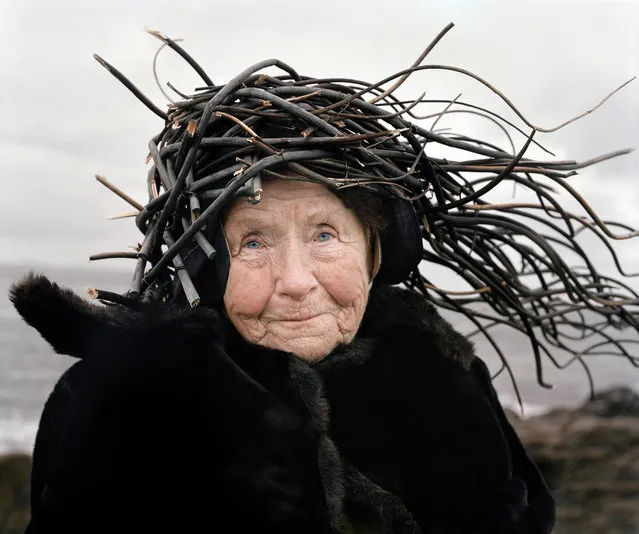
Eyes As Big As Plates – Norway And Finland

Eyes as Big as Plates is a whimsical series by Finnish photographer Riitta Ikonen and Norwegian photographer Karoline Hjorth that features senior citizens donning organic materials like twigs and grass. Ikonen says that the collaborative project originally began as "a play on characters and protagonists from Norwegian folklore" but has since evolved into a collection of images exploring "mental landscapes" that reflect a return of body to nature with the use of scavenged materials.
Details
08 Apr 2013 09:53:00
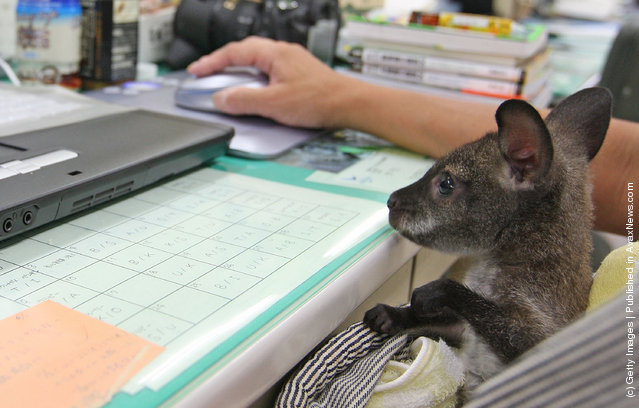
A baby wallaby

“Very small forest-dwelling wallabies are known as pademelons (genus Thylogale) and dorcopsises (genera Dorcopsis and Dorcopsulus). The name wallaby comes from the Eora Aboriginal tribe who were the original inhabitants of the Sydney area. Wallabies are herbivores whose diet consists of a wide range of grasses, vegetables, leaves, and other types of foliage”. – Wikipedia

Photo: A baby wallaby sits in a zoo attendant's lap at Edogawa Natural Zoo on August 4, 2009 in Tokyo, Japan. The staff of the zoo have raised the young wallaby after her mother neglected her. (Photo by Junko Kimura/Getty Images)
Details
07 Sep 2011 13:33:00
Some women doing yoga pose on the hammocks during the Anti-Gravity yoga class at Svarga e-Motion Sanctuary at Dharmawangsa Square, Jakarta, Saturday, April 18, 2015. (Photo by Jurnasyanto Sukarno/JG Photo)

Some women doing yoga pose on the hammocks during the Anti-Gravity yoga class at Svarga e-Motion Sanctuary at Dharmawangsa Square, Jakarta, Saturday, April 18, 2015. Anti-Gravity Yoga or “aerial yoga”, is a new type of yoga, originating in New York but now being practised in several countries, which combines the traditional yoga poses, pilates and dance with the use of a hammock. (Photo by Jurnasyanto Sukarno/JG Photo)
Details
21 Apr 2015 10:39:00
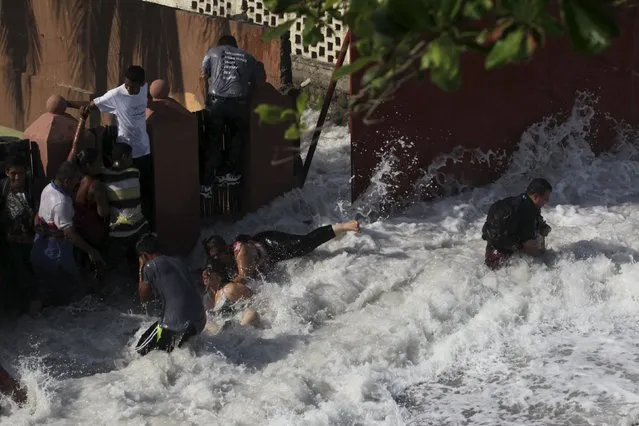
Beachgoers are hit by a wave in La Libertad May 3, 2015. (Photo by Jose Cabezas/Reuters)

Beachgoers are hit by a wave in La Libertad May 3, 2015. El Salvador emergency authorities declared a green alert along the pacific coats due to a large swell that affected the Salvadoran coast and originated from the extra-tropical storms that formed in New Zealand and the Southern hemisphere, according to El Salvador's ministry of environment and natural resources. (Photo by Jose Cabezas/Reuters)
Details
05 May 2015 10:32:00
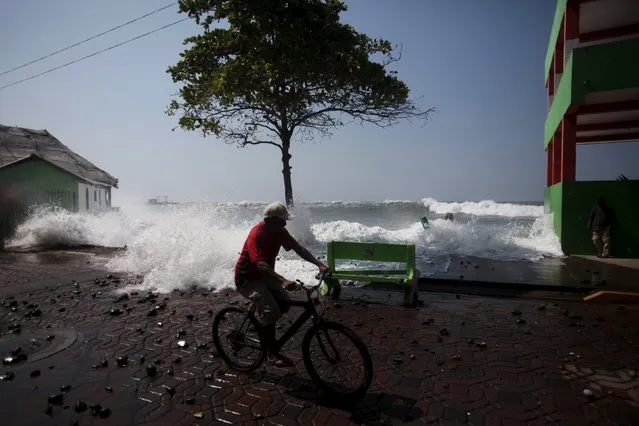
A man rides his bicycle as a wave crashes at La Libertad malecon on May 13, 2015. (Photo by Jose Cabezas/Reuters)

A man rides his bicycle as a wave crashes at La Libertad malecon on May 13, 2015. El Salvador emergency authorities has declared an orange alert along the Pacific coast due to a large swell that affected the Salvadoran coast. The swell originated from the extra-tropical storms that formed in New Zealand and the Southern hemisphere, according to El Salvador's Ministry of Environment and Natural Resources. (Photo by Jose Cabezas/Reuters)
Details
15 May 2015 10:34:00
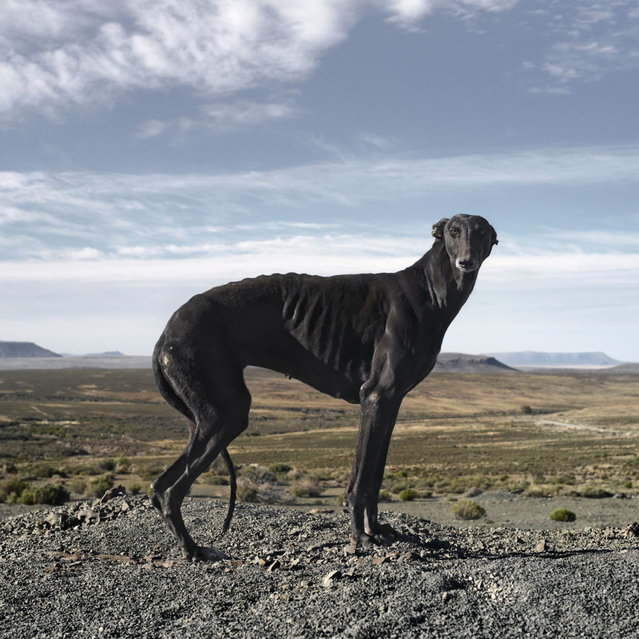
Africanis 18. Murraysburg, Western Cape, May 10, 2010. (Photo by Daniel Naudé)

“The Africanis is a landrace of South African dogs. It is believed to be of ancient origin, directly descended from hounds and pariah dogs of ancient Africa, introduced into the Nile Valley from the Levant. The Swahili name for the breed is umbwa wa ki-shenzi meaning common or mongrel or “traditional dog”. Africanis is also an umbrella name for all the aboriginal dogs in southern Africa”. – Wikipedia. Photo: Africanis 18. Murraysburg, Western Cape, May 10, 2010. (Photo by Daniel Naudé)
Details
19 May 2013 11:51:00
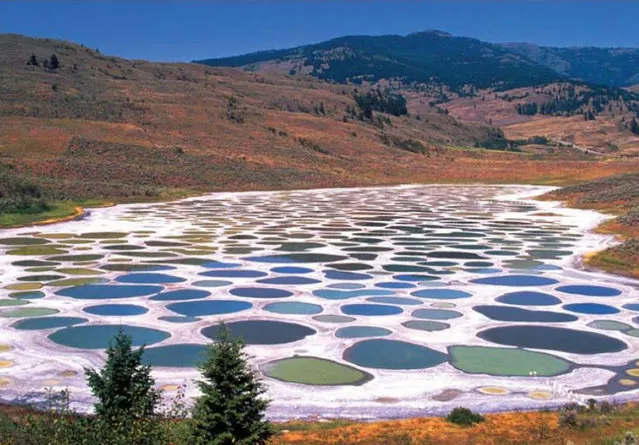
Kliluk, the Spotted Lake, Canada

Originally known to the First Nations of the Okanagan Valley as Khiluk, which was- and remains today revered as a sacred site producing therapeutic waters. During World War I the minerals of Spotted Lake were used in manufacturing ammunition. Later the area came under the control of the Ernest Smith Family, for a term of about 40 years. In 1979 Smith attempted to create interest in a spa at the lake. The First Nations responded with an effort to buy the lake; in October 2001 they finally struck a deal. First Nations arranged the purchase of 22 hectares of land for a total of $720,000, and contributed about 20% of the cost. The Indian Affairs Department paid the remainder.
Details
06 Mar 2015 12:59:00
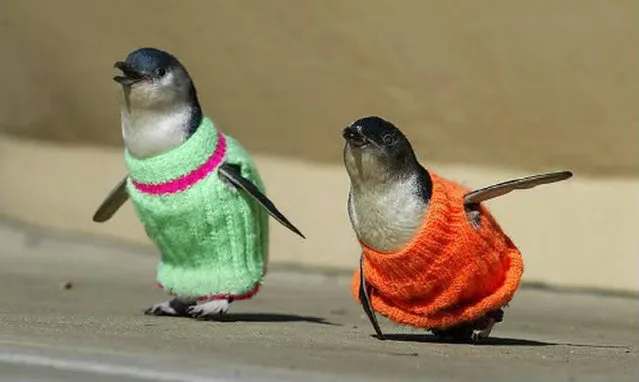
New Zealand Penguins in Need of Sweaters

Penguin sweaters, also known as penguin jumpers, are sweaters which are knitted for penguins that have been caught in oil slicks. When an oil spill affects penguins, they are dressed in knitted sweaters to stop them preening their feathers and to keep them warm, since the spilled oil destroys their natural oils. This also prevents them from poisoning themselves by ingesting the oil. The sweaters are removed and discarded as soon as the penguins can be washed. The original project has been completed, but the knitting pattern is still available on-line, as subsequent oil spills make it necessary. The extra sweaters are kept on behalf of the Wildlife Rescue Team.
Details
31 Oct 2012 13:06:00