Loading...
Done


“Dog meat refers to edible parts and the flesh derived from (predominantly domestic) dogs. Human consumption of dog meat has been recorded in many parts of the world, including ancient China, ancient Mexico, and ancient Rome. According to contemporary reports, dog meat is consumed in a variety of countries such as Switzerland, China, Vietnam, the Philippines, and Korea. In addition, dog meat has also been used as survival food in times of war and/or other hardships”. – Wikipedia

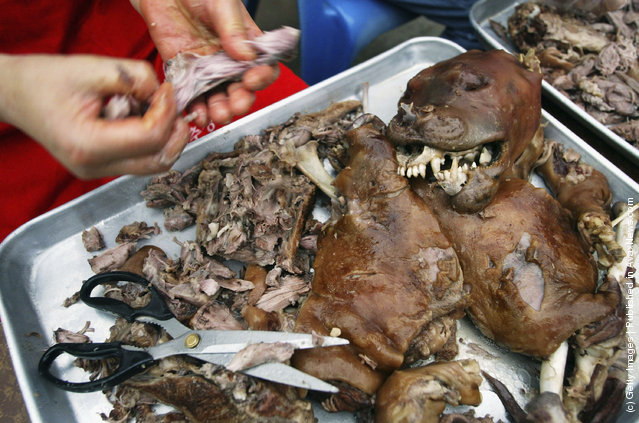
Photo: A chef prepares dog meat at a restaurant on July 4, 2005 in Gwacheon, South Korea. Dog meat is a traditional dish in Korea dating back to the Samkuk period (period of the three kingdoms BC 57 – AD 668). Although many recipes existed historically for dog meat, now chefs only make soups, or dishes using boiled or roasted meat. Koreans traditionally eat dog meat on the hottest day of the summer, for it's reputed benefits of virility, invigoration and health. (Photo by Chung Sung-Jun/Getty Images)
Details
24 Jul 2011 13:21:00
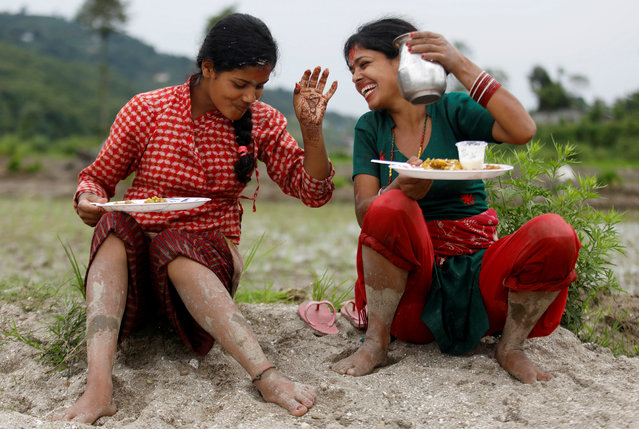
Farmers take a break for lunch while celebrating National Paddy Day, also called Asar Pandra, that marks the commencement of rice crop planting in paddy fields as monsoon season arrives, in Kathmandu, Nepal, June 29, 2020. (Photo by Navesh Chitrakar/Reuters)

Farmers take a break for lunch while celebrating National Paddy Day, also called Asar Pandra, that marks the commencement of rice crop planting in paddy fields as monsoon season arrives, in Kathmandu, Nepal, June 29, 2020. (Photo by Navesh Chitrakar/Reuters)
Details
20 Jan 2021 12:20:00
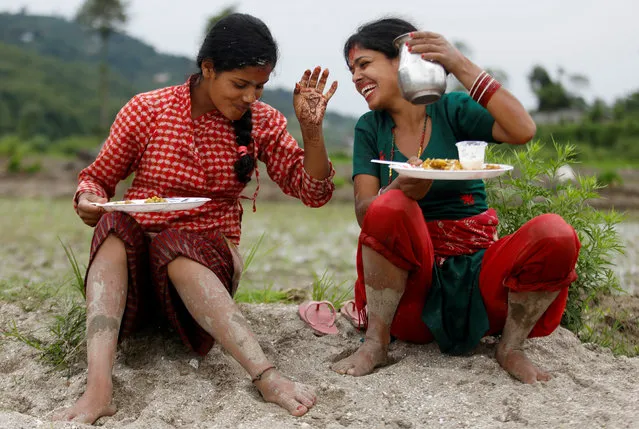
Farmers take a break for lunch while celebrating National Paddy Day, also called Asar Pandra, that marks the commencement of rice crop planting in paddy fields as monsoon season arrives, in Kathmandu, Nepal, June 29, 2020. (Photo by Navesh Chitrakar/Reuters)

Farmers take a break for lunch while celebrating National Paddy Day, also called Asar Pandra, that marks the commencement of rice crop planting in paddy fields as monsoon season arrives, in Kathmandu, Nepal, June 29, 2020. (Photo by Navesh Chitrakar/Reuters)
Details
06 Jul 2020 00:05:00
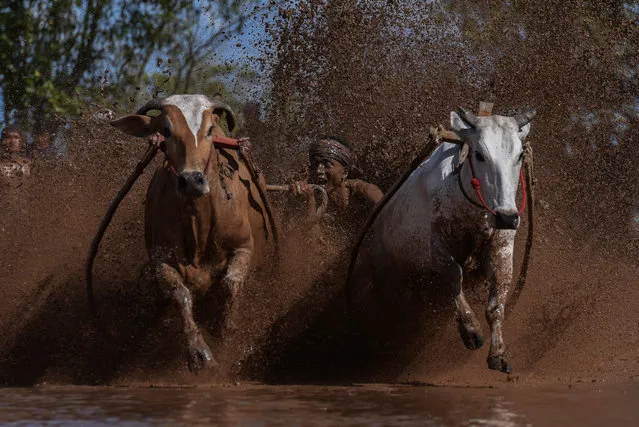
A jockey takes part in a traditional cattle race or “Pacu Jawi”, to mark the end of the rice harvest in Tanah Datar, West Sumatra, Indonesia, August 13, 2016 in this photo taken by Antara Foto. (Photo by Hafiz Mubarak A./Reuters/Antara Foto)

A jockey takes part in a traditional cattle race or “Pacu Jawi”, to mark the end of the rice harvest in Tanah Datar, West Sumatra, Indonesia, August 13, 2016 in this photo taken by Antara Foto. (Photo by Hafiz Mubarak A./Reuters/Antara Foto)
Details
15 Aug 2016 12:13:00
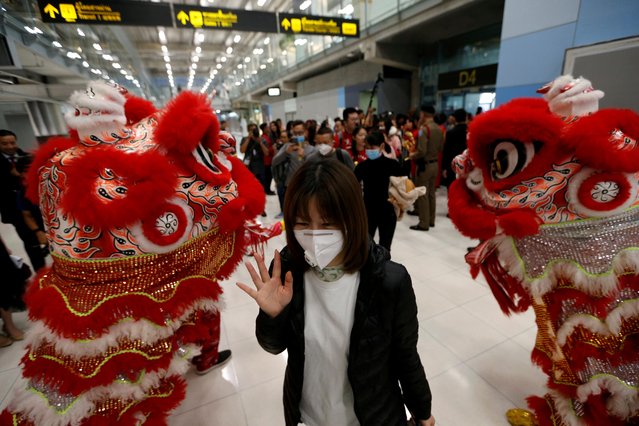
A Chinese tourist wears a mask as she arrives at Suvarnabhumi Airport during a welcome ceremony of Chinese Lunar New Year travellers in Bangkok, Thailand on January 22, 2020. (Photo by Soe Zeya Tun/Reuters)

A Chinese tourist wears a mask as she arrives at Suvarnabhumi Airport during a welcome ceremony of Chinese Lunar New Year travellers in Bangkok, Thailand on January 22, 2020. (Photo by Soe Zeya Tun/Reuters)
Details
24 Jan 2020 00:05:00
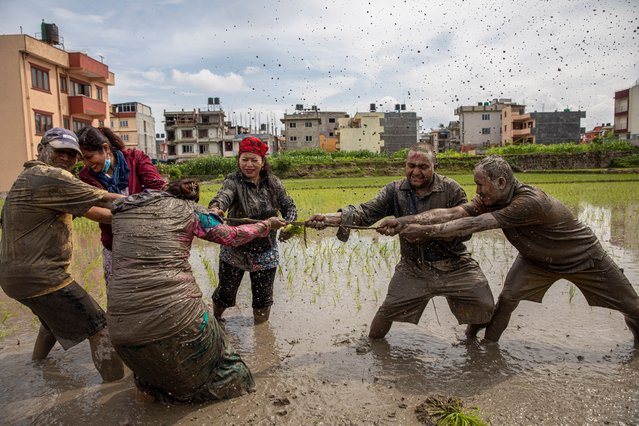
Farmers play tug of war in a paddy field on National Paddy Day in Tokha village, on the outskirt of capital Kathmandu, Nepal, 29 June 2021. Nepal is celebrating National Paddy Day with various events on 29 June. On this day, known as Asar Pandra, farmers begin the annual rice planting season and mark the day with various festivities such as preparing rice meals with muddy water, mud being a symbol for a prosperous season. Sixty percent of Nepal's agriculture industry relies on monsoon rain while 40 percent is carried out through irrigation. Agriculture is a major contributor to the country's GDP. (Photo by Narendra Shrestha/EPA/EFE)

Farmers play tug of war in a paddy field on National Paddy Day in Tokha village, on the outskirt of capital Kathmandu, Nepal, 29 June 2021. Nepal is celebrating National Paddy Day with various events on 29 June. On this day, known as Asar Pandra, farmers begin the annual rice planting season and mark the day with various festivities such as preparing rice meals with muddy water, mud being a symbol for a prosperous season. Sixty percent of Nepal's agriculture industry relies on monsoon rain while 40 percent is carried out through irrigation. Agriculture is a major contributor to the country's GDP. (Photo by Narendra Shrestha/EPA/EFE)
Details
26 Feb 2022 04:53:00
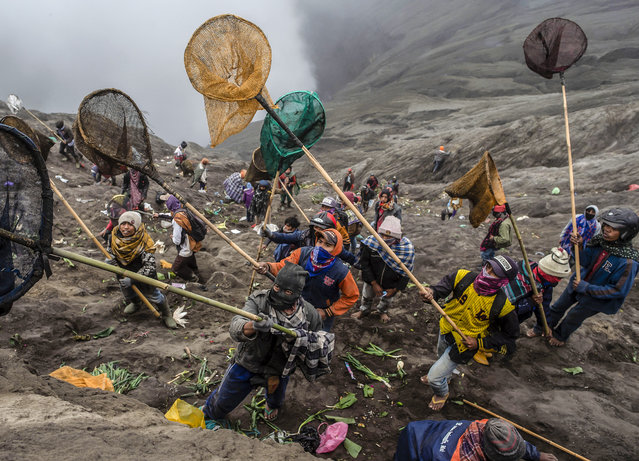
People try to catch offerings thrown off the summit of Mount Bromo volcano by Tengger tribe members and local tourists in Probolinggo, East Java province on July 18, 2019, as part of the Yadnya Kasada Festival. During the annual Yadnya Kasada festival, the Tenggerese climb Mount Bromo, an active volcano, and seek the blessing from the main deity by presenting offerings of rice, fruit, livestock and other items. (Photo by Juni Kriswanto/AFP Photo)

People try to catch offerings thrown off the summit of Mount Bromo volcano by Tengger tribe members and local tourists in Probolinggo, East Java province on July 18, 2019, as part of the Yadnya Kasada Festival. During the annual Yadnya Kasada festival, the Tenggerese climb Mount Bromo, an active volcano, and seek the blessing from the main deity by presenting offerings of rice, fruit, livestock and other items. (Photo by Juni Kriswanto/AFP Photo)
Details
22 Jul 2019 00:03:00
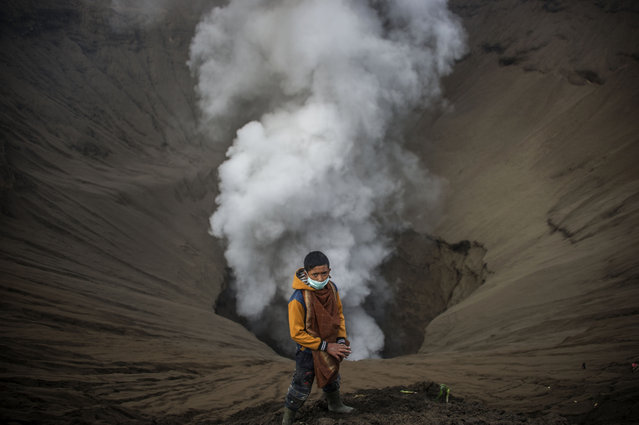
An Indonesian boy waits as he prepares to catch offerings released by Hindu devotees of the Tengger tribe during the Yadnya Kasada festival, on the crater of Mount Bromo in Probolinggo on July 21, 2016. During the annual Yadnya Kasada festival the Tenggerese climb Mount Bromo, an active volcano, and seek the blessing from the main deity Hyang Widi Wasa by presenting offerings of rice, fruit, livestock and other local produce. (Photo by Juni Kriswanto/AFP Photo)

An Indonesian boy waits as he prepares to catch offerings released by Hindu devotees of the Tengger tribe during the Yadnya Kasada festival, on the crater of Mount Bromo in Probolinggo on July 21, 2016. During the annual Yadnya Kasada festival the Tenggerese climb Mount Bromo, an active volcano, and seek the blessing from the main deity Hyang Widi Wasa by presenting offerings of rice, fruit, livestock and other local produce. (Photo by Juni Kriswanto/AFP Photo)
Details
22 Jul 2016 12:33:00