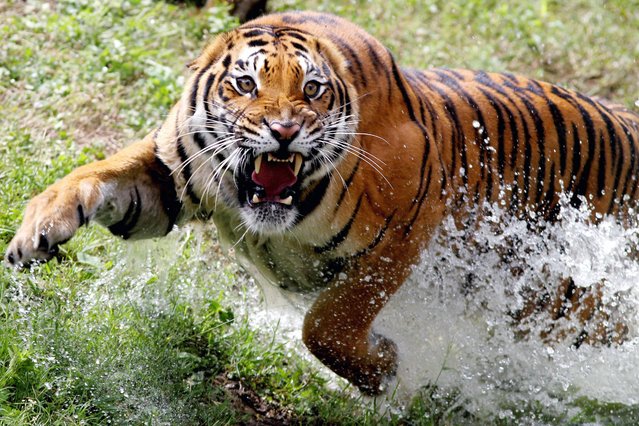
A Bengal tigress who gave birth to four cubs at the Guadalajara Zoo, Jalisco state, Mexico runs at the zoo on October 5, 2021. (Photo by Ulises Ruiz/AFP Photo)
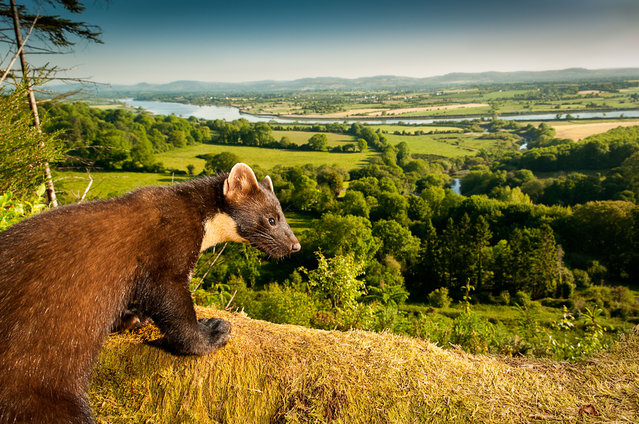
A pine marten – one of a few wild mammals doing well in Britain (although they number just 3,700). A fifth of the country’s wild mammals are at high risk of extinction, research shows. (Photo by Maurice Flynn/The Mammal Society)
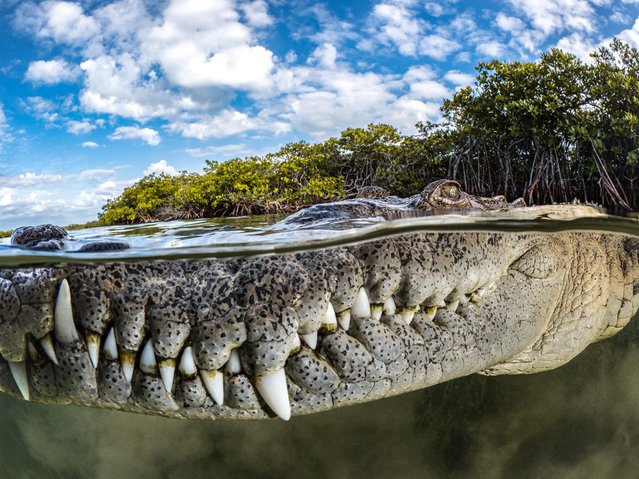
Guardian of the Mangroves – Overall Winner. Tanya Houppermans, Cuba. A curious American crocodile (Crocodylus acutus) swims right up to Tanya, at Gardens of the Queen (Jardines De La Reina), an archipelago off the coast of Cuba. It has been strictly protected since 1996, and is one of the most untouched marine ecosystems in the world. “The healthy population of American crocodiles is down to the pristine condition of the mangroves and I wanted to capture close ups of this gentle giant in its natural habitat. I hope this image can illustrate that protecting areas like this is so critical”. (Photo by Tanya Griffin Houppermans/Mangrove Photographer of the Year)
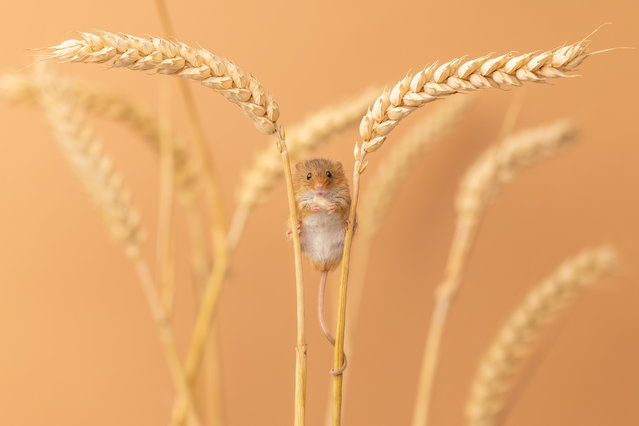
Stunning image capture the moment a tiny harvest mouse uses wheat stems as stilts as he munches on a kernel in UK in August 2025. The minute-mouse, who weighs as much as a 2p coin and is only two-inches-long, uses his prehensile tail to keep himself perfectly level. (Photo by Tony Nellis/South West News Service)
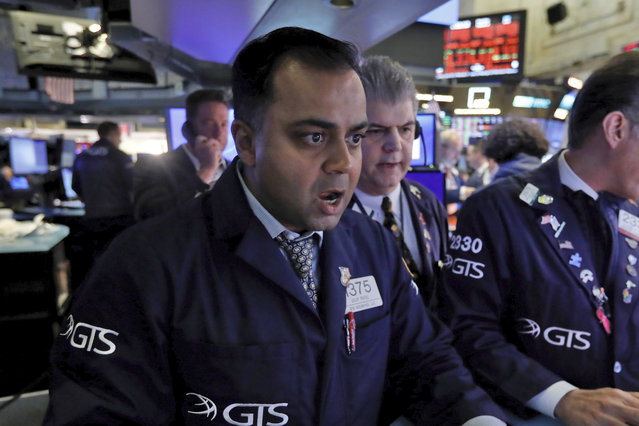
Specialist Dilip Patel, left, works at his post on the floor of the New York Stock Exchange, Monday, March 9, 2020. The Dow Jones Industrial Average sank 7.8%, its steepest drop since the financial crisis of 2008, as a free-fall in oil prices and worsening fears of fallout from the spreading coronavirus outbreak seize markets. (Photo by Richard Drew/AP Photo)
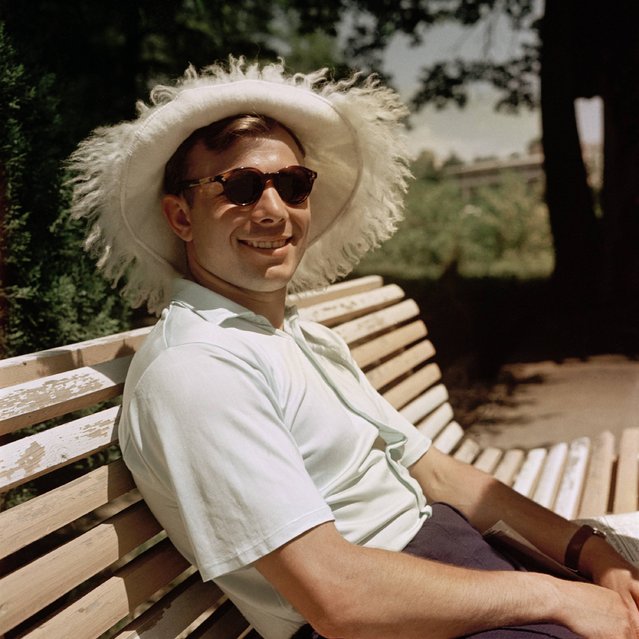
Yuri Gagarin does not always show up in full-scale astronautics. In this picture he smiles during his summer vacation in Sochi, Russia in 1961 with sunglasses and sunhat in the camera. (Photo by Imago/Eastnews)
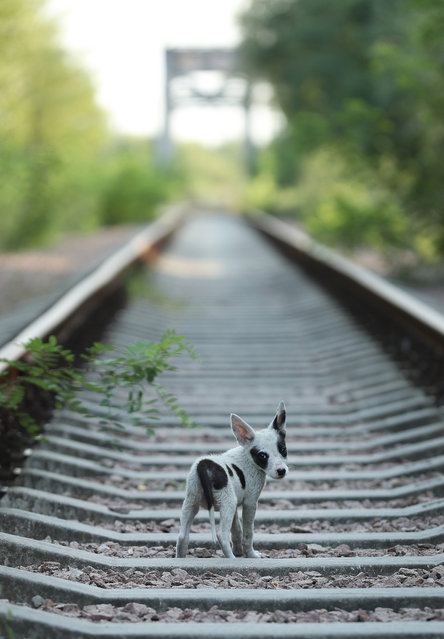
A stray puppy walks along abandoned train tracks near the Chernobyl nuclear power plant on August 19, 2017 near Chornobyl, Ukraine. An estimated 900 stray dogs live in the exclusion zone, many of them likely the descendants of dogs left behind following the mass evacuation of residents in the aftermath of the 1986 nuclear disaster at Chernobyl. (Photo by Sean Gallup/Getty Images)