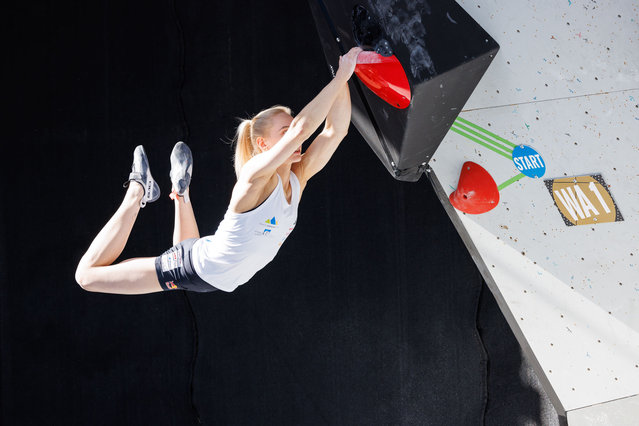
Janja Garnbret of Slovenia competes during the women's boulder qualification of the IFSC World Cup Innsbruck 2024 on June 26, 2024 in Innsbruck, Austria. (Photo by Marco Kost/Getty Images)
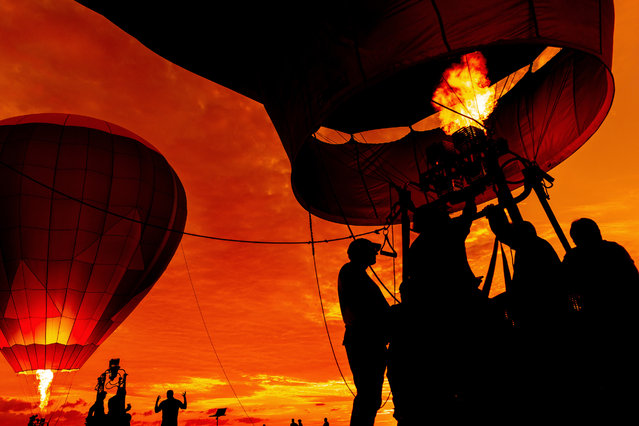
Crews inflate hot air balloons during the 39th annual New Jersey Lottery Festival of Ballooning at Solberg Airport Friday, July 29, 2022, in Readington, N.J. The festival, which runs through Sunday, July 31, will feature as many as 100 balloons. (Photo by Julia Nikhinson/AP Photo)
I know, this answer was a little too short, so let me explain in a little more detail.
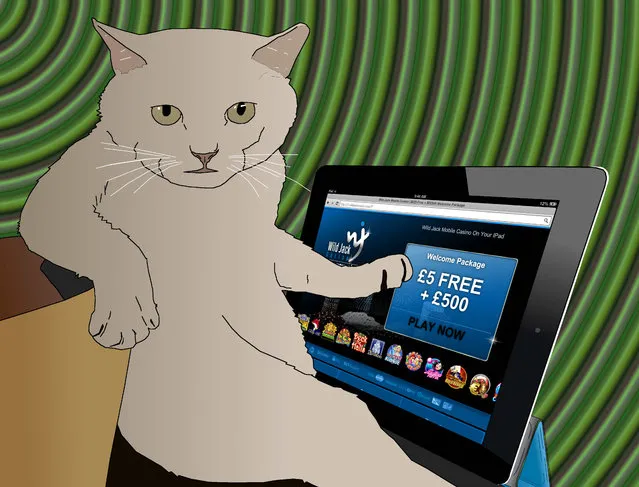
Imagine tossing a coin. Normally, any normal coin toss has two possible outcomes - heads or tails - with each one having a 50% chance of happening. Ideally, that is, because factors like the force of your finger tossing the coin, gravity, the wind, the moon phase and a passing TARDIS can all influence the outcome of the toss - but I have deviated from the subject.
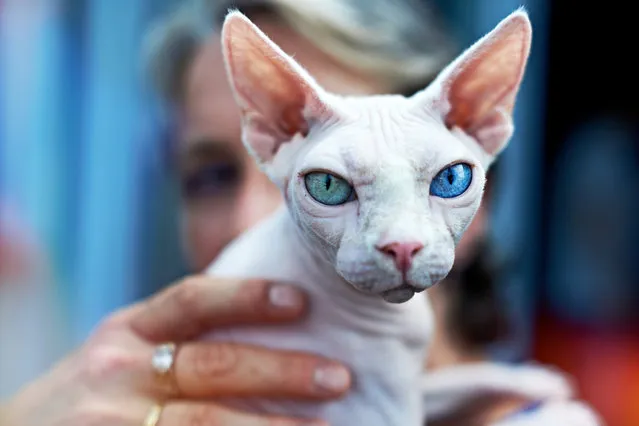
No. 10: Sphynx. A suede-like coat is the sphynx's most unmistakable feature, but he's also curious, smart and a clown who craves applause for his antics. In fact, he loves attention so much that you may want to consider getting him a fellow sphynx playmate. (Photo by Quentin Descotte)
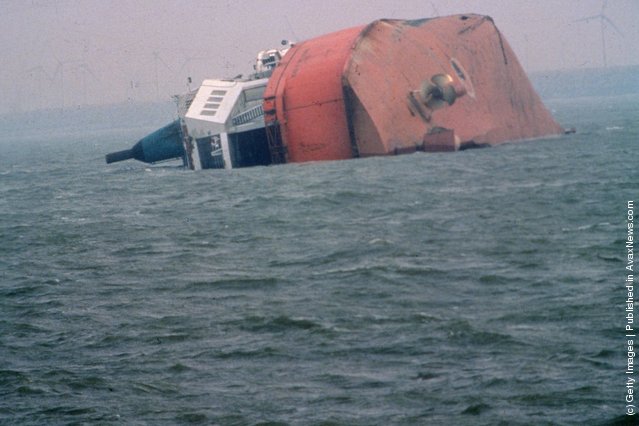
“MS Herald of Free Enterprise was a roll-on roll-off (RORO) car and passenger ferry owned by Townsend Thoresen. She was one of three ships commissioned by the company to operate on the Dover–Calais route across the English Channel. The ferry capsized on the night of 6 March 1987, moments after leaving the Belgian port of Zeebrugge, killing 193 passengers and crew. This was the deadliest maritime disaster involving a British ship in peacetime since the sinking of the Iolaire in 1919”. – Wikipedia
Photo: The wreck of the Herald of Free Enterprise, which capsized near Zeebrugge on the 6th of March 1987. (Photo by Hulton Archive/Getty Images). 1987