Loading...
Done
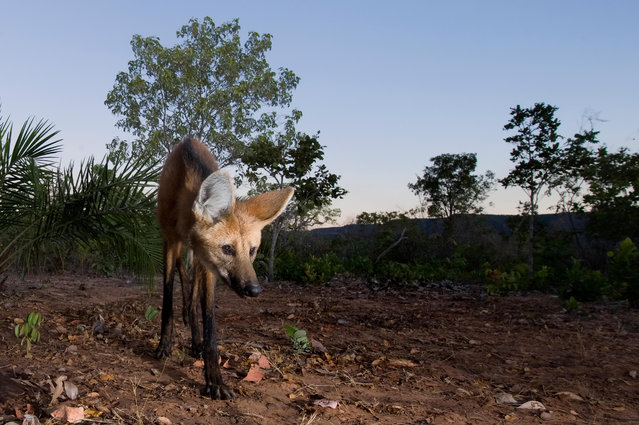
The maned wolf is among the large mammals in the Brazilian Cerrado that are threatened by the increasing conversion of grasslands into farmland for grazing and growing crops. (Photo by Ben Cranke/Nature Picture Library/Alamy Stock Photo)

Global wildlife populations will decline by 67% by 2020 unless urgent action is taken to reduce human impact on species and ecosystems, warns the biennial Living Planet Index report from WWF (World Wide Fund for Nature) and ZSL (Zoological Society of London). From elephants to eels, here are some of the wildlife populations most affected by human activity. Here: The maned wolf is among the large mammals in the Brazilian Cerrado that are threatened by the increasing conversion of grasslands into farmland for grazing and growing crops. (Photo by Ben Cranke/Nature Picture Library/Alamy Stock Photo)
Details
28 Oct 2016 10:47:00
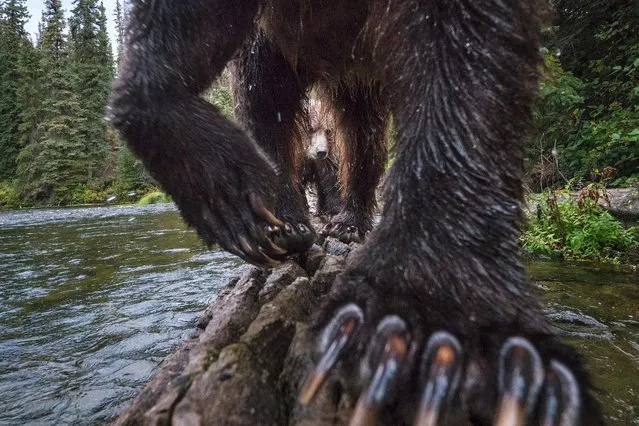
“The Salmon Catchers”. Terrestrial Wildlife. To capture this view of a mother grizzly bear and her cub, photographer Peter Mather set up a camera trap on a log that he knew the bears tended to traverse while fishing for salmon, in the Yukon River watershed in Canada. (Photo by Peter Mather/BigPicture Natural World Photography Competition 2017)

The fourth annual BigPicture Natural World Photography Competition aims to celebrate the diversity of life on Earth, and encourages people to protect and conserve it. Here: “The Salmon Catchers”. Terrestrial Wildlife. To capture this view of a mother grizzly bear and her cub, photographer Peter Mather set up a camera trap on a log that he knew the bears tended to traverse while fishing for salmon, in the Yukon River watershed in Canada. (Photo by Peter Mather/BigPicture Natural World Photography Competition 2017)
Details
02 Jul 2017 07:25:00
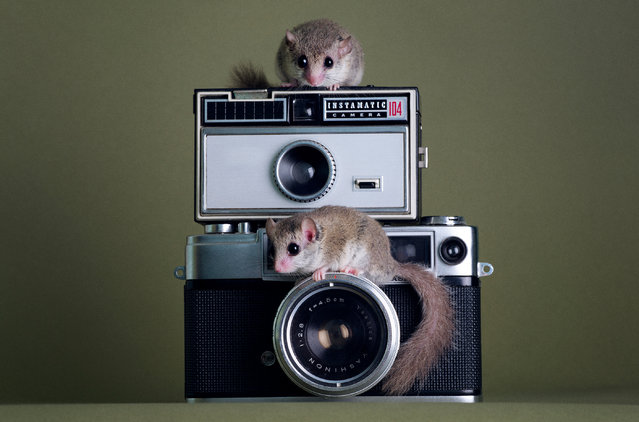
“The most difficult aspect of this shoot was to get each African pygmy dormouse – also known as micro squirrels – on to a separate camera. Once in place, they needed to remain still long enough to get them both in the frame and looking at me. Often solitary, they naturally wanted to move away”. (Photo by David Yeo/Leica Studio Mayfair/The Guardian)

David Yeo’s photography places naturally small species alongside animals that have been selectively bred to be tiny and cute. Here: “The most difficult aspect of this shoot was to get each African pygmy dormouse – also known as micro squirrels – on to a separate camera. Once in place, they needed to remain still long enough to get them both in the frame and looking at me. Often solitary, they naturally wanted to move away”. (Photo by David Yeo/Leica Studio Mayfair/The Guardian)
Details
24 Oct 2017 08:20:00
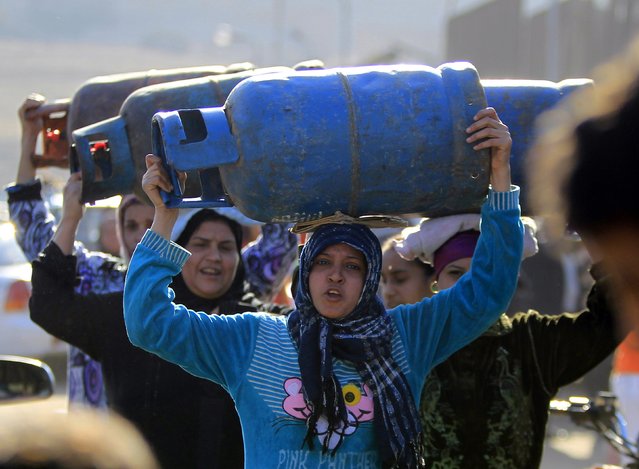
Women carry gas cylinders to fill them at a distribution point in Cairo January 19, 2015. Egypt is going through its worst energy crisis in decades and is seeking fresh sources of natural gas, which powers most of its homes and factories. (Photo by Mohamed Abd El Ghany/Reuters)

Women carry gas cylinders to fill them at a distribution point in Cairo January 19, 2015. Egypt is going through its worst energy crisis in decades and is seeking fresh sources of natural gas, which powers most of its homes and factories. (Photo by Mohamed Abd El Ghany/Reuters)
Details
20 Jan 2015 13:21:00
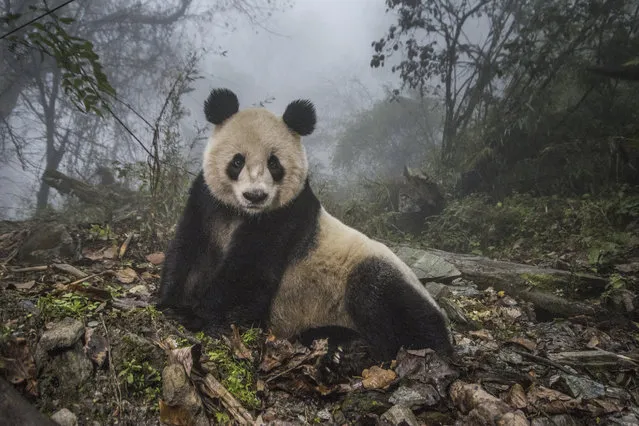
16-year-old panda, Ye Ye, rests in an enclosure at the Wolong Nature Reserve, a conservation center that trains pandas for release into the wild. This image was published in the August 2016 National Geographic magazine as part of the “Pandas Gone Wild” story. (Photo by Ami Vitale/National Geographic Creative)

16-year-old panda, Ye Ye, rests in an enclosure at the Wolong Nature Reserve, a conservation center that trains pandas for release into the wild. This image was published in the August 2016 National Geographic magazine as part of the “Pandas Gone Wild” story. (Photo by Ami Vitale/National Geographic Creative)
Details
10 Sep 2017 07:56:00
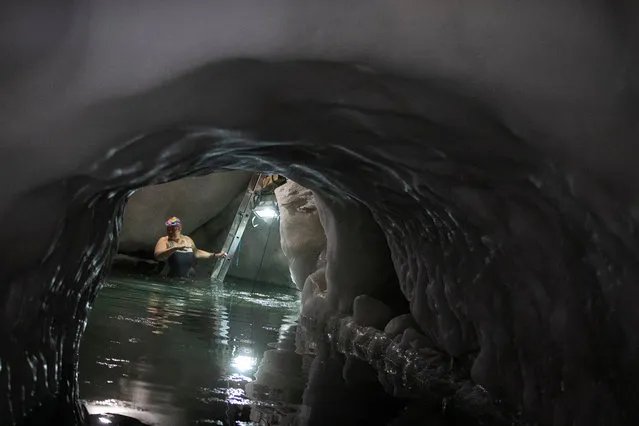
Ice swimmer Klaudia prepares to swim in a filled up water kettle in an ice cave inside the Nature Ice Palace, with a hight of 3,250 meters (10,663 feet) above sea level, at Hintertux Glacier near Hintertux, some 480 kilometers (298 miles) western of Vienna, Austria, 28 July 2018. (Photo by Christian Bruna/EPA/EFE)

Ice swimmer Klaudia prepares to swim in a filled up water kettle in an ice cave inside the Nature Ice Palace, with a hight of 3,250 meters (10,663 feet) above sea level, at Hintertux Glacier near Hintertux, some 480 kilometers (298 miles) western of Vienna, Austria, 28 July 2018. (Photo by Christian Bruna/EPA/EFE)
Details
08 Aug 2018 00:03:00
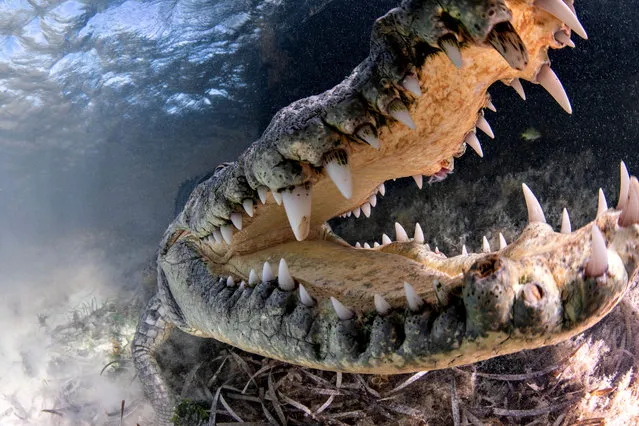
The trip to get to the reef takes eight hours by car and boat, and there is no luxury hotel at the other end. (Photo by Alex Suh/Caters News Agency)

A photographer with a passion for wild animals was able to get up close and personal with one of nature’s deadliest creatures. Alex Suh has traveled to Mexico’s Banco Chinchorro reef twice in the past three years to get into the waters and capture the crocodiles in their natural habitat after an invitation from Yucatan Dive Trek. (Photo by Alex Suh/Caters News Agency)
Details
24 Aug 2018 00:01:00
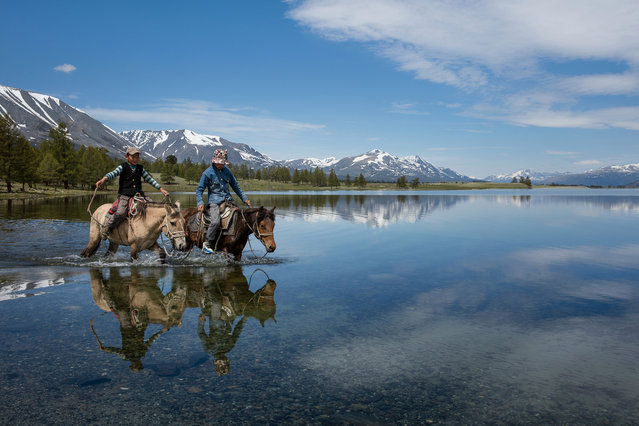
Joel said documenting the Kazakh nomad summer migration was really an epic journey – a time travel journey – and at the same time was possible to get an understanding of how the balance of nature is still possible in Altai Mountains, Mongolia, June 2015. (Photo by Joel Santos/Barcroft Images)

Joel said documenting the Kazakh nomad summer migration was really an epic journey – a time travel journey – and at the same time was possible to get an understanding of how the balance of nature is still possible in Altai Mountains, Mongolia, June 2015. (Photo by Joel Santos/Barcroft Images)
Details
30 Nov 2016 13:23:00