Loading...
Done
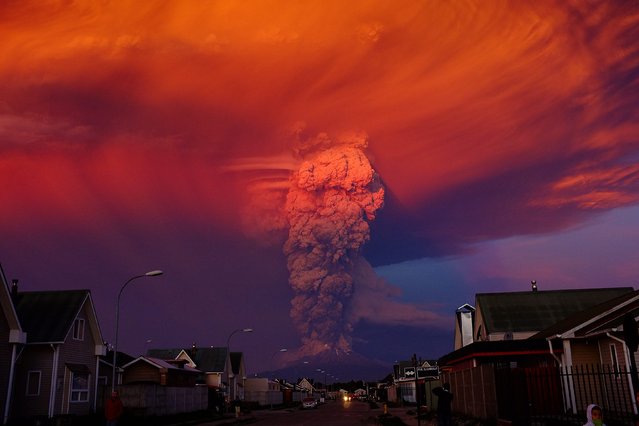
General view of Chilean Calbuco volcano from Puerto Montt, located at 1000 km southern Santiago de Chile, Chile, 22 April 2015. Due to the eruption of the volcano with a smoke column 20 km high, authorities declared a red alert and ordered the evacuation of around 1500 inhabitants of Ensenada, Alerce, Colonia Río Sur and Correntoso towns. (Photo by Alex Vidal Brecas/EPA)

General view of Chilean Calbuco volcano from Puerto Montt, located at 1000 km southern Santiago de Chile, Chile, 22 April 2015. Due to the eruption of the volcano with a smoke column 20 km high, authorities declared a red alert and ordered the evacuation of around 1500 inhabitants of Ensenada, Alerce, Colonia Río Sur and Correntoso towns. (Photo by Alex Vidal Brecas/EPA)
Details
24 Apr 2015 10:25:00
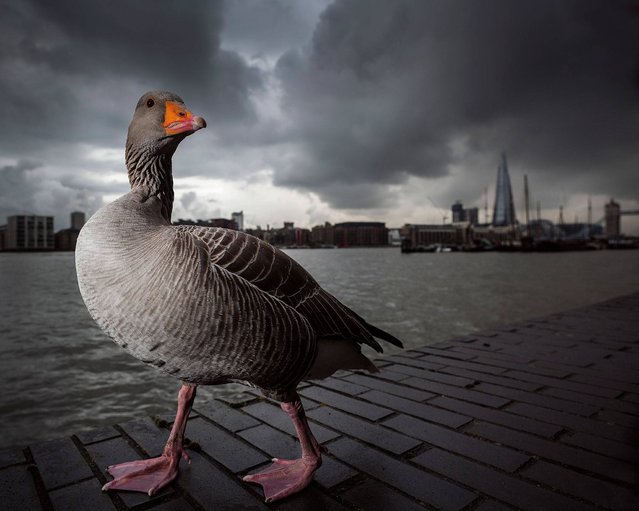
“Urban Tourist (Graylag Goose)”. Urban category and overall winner. (Photo by Lee Acaster/British Wildlife Photography Awards 2014)

The British Wildlife Photography Awards winners have been revealed, with Lee Acaster from Suffolk taking home the top prize for his shot of a Graylag Goose in London. Acaster, who received £5,000, photographed the animal against an ominous London skyline, with The Shard clearly visible in the background. Here: “Urban Tourist (Graylag Goose)”. Urban category and overall winner. (Photo by Lee Acaster/British Wildlife Photography Awards 2014)
Details
02 Sep 2014 12:24:00
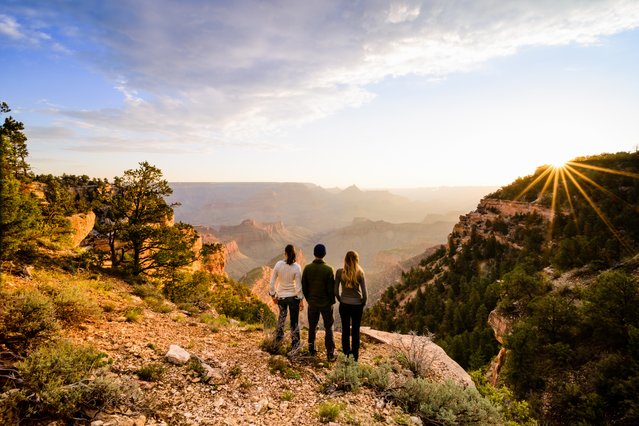
Winner of the National Park Foundation's photo contest; Honorable Mention: Fan Favorite. Grand Canyon National Park, Arizona. Three friends enjoy sunrise over the Grand Canyon. (Photo by Peter Blanchard)

Winner of the National Park Foundation's photo contest; Honorable Mention: Fan Favorite. Grand Canyon National Park, Arizona. Three friends enjoy sunrise over the Grand Canyon. (Photo by Peter Blanchard)
Details
02 May 2014 09:23:00
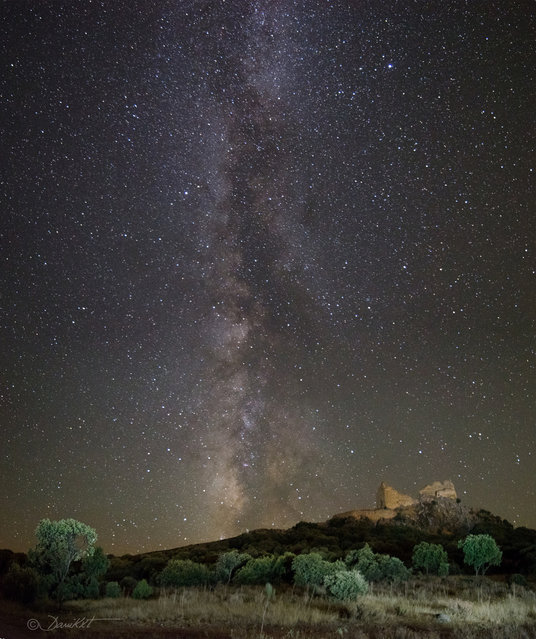
“Ruinas castillo Dos Hermanas – Navahermosa”. (danicaxete)

“Ruinas castillo Dos Hermanas – Navahermosa”. (Photo by danicaxete)
Details
19 May 2013 11:18:00
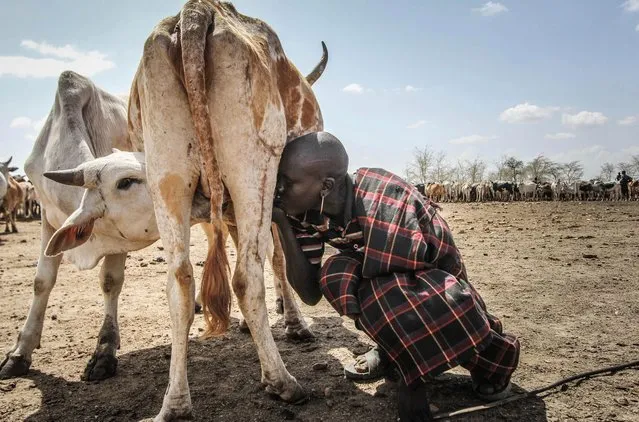
Cattle are the most important way of livelihood for the Karamojong: they provide milk, meat, blood and money when sold, Karamoja, Uganda, February 2017. (Photo by Sumy Sadurni/Barcroft Images)

Cattle are the most important way of livelihood for the Karamojong: they provide milk, meat, blood and money when sold, Karamoja, Uganda, February 2017. (Photo by Sumy Sadurni/Barcroft Images)
Details
17 Feb 2017 00:02:00
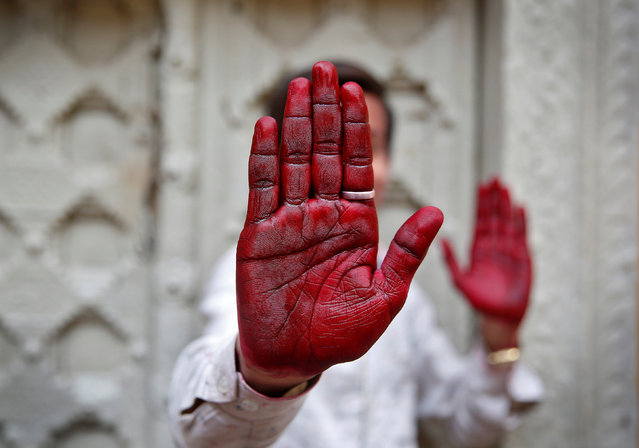
A Hindu devotee displays his inked hand after taking part in the religious festival of Holi in Vrindavan, in the northern state of Uttar Pradesh, India, March 8, 2017. (Photo by Cathal McNaughton/Reuters)

A Hindu devotee displays his inked hand after taking part in the religious festival of Holi in Vrindavan, in the northern state of Uttar Pradesh, India, March 8, 2017. (Photo by Cathal McNaughton/Reuters)
Details
10 Mar 2017 00:05:00
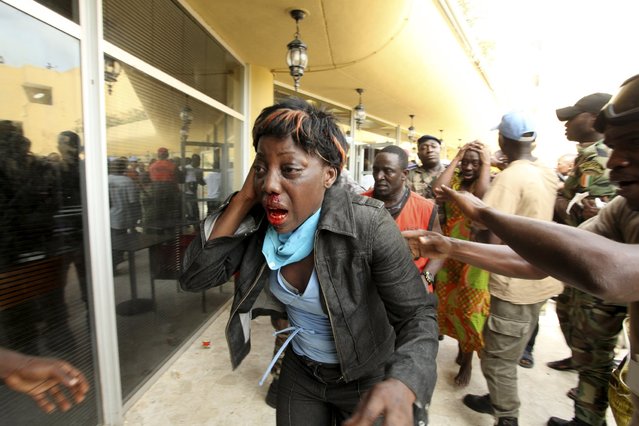
An injured supporter of Ivory Coast's Laurent Gbagbo reacts outside the premises of Hotel Golf, where Gbagbo is currently being held after his arrest, in Abidjan April 11, 2011. (Photo by Reuters/Stringer)

An injured supporter of Ivory Coast's Laurent Gbagbo reacts outside the premises of Hotel Golf, where Gbagbo is currently being held after his arrest, in Abidjan April 11, 2011. The trial of Laurent Gbagbo on charges of crimes against humanity during post-election violence, in which around 3,000 people were killed, will begin on January 28, 2016 at the International Criminal Court. (Photo by Reuters/Stringer)
Details
27 Jan 2016 13:45:00
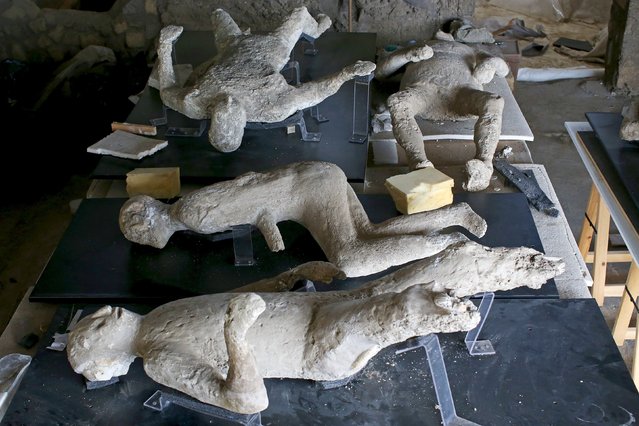
Plaster cast moulds of victims of the Mount Vesuvius eruption lie on a display table in a laboratory at Pompeii October 13, 2015. An expert team made up of archaeologists, radiologists, orthodontists and anthropologists began on September 2015 to use CAT scan technology (computerised axial tomography) to peer inside the plaster cast moulds of Pompeii's victims, in a study that has added more detail to previous findings. (Photo by Alessandro Bianchi/Reuters)

Plaster cast moulds of victims of the Mount Vesuvius eruption lie on a display table in a laboratory at Pompeii October 13, 2015. An expert team made up of archaeologists, radiologists, orthodontists and anthropologists began on September 2015 to use CAT scan technology (computerised axial tomography) to peer inside the plaster cast moulds of Pompeii's victims, in a study that has added more detail to previous findings. A 16-layer scan had to be used in order to penetrate the hardened plaster but the results showed up impressive skeletal remains and near perfect teeth. (Photo by Alessandro Bianchi/Reuters)
Details
22 Oct 2015 08:02:00