People walk past burning tires during a protest against Haitian Prime Minister Ariel Henry in Port-au-Prince, Haiti, Monday, February 5, 2024. (Photo by Odelyn Joseph/AP Photo)
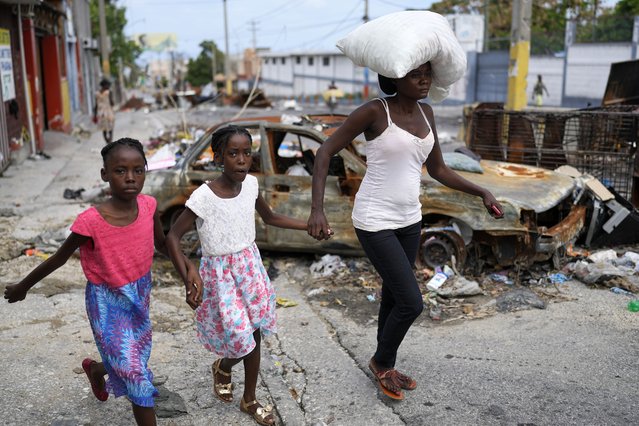
Residents walk past a burnt car blocking the street as they evacuate the Delmas 22 neighborhood the morning after an attack amid gang violence in Port-au-Prince, Haiti, May 2, 2024. (Photo by Ramon Espinosa/AP Photo)
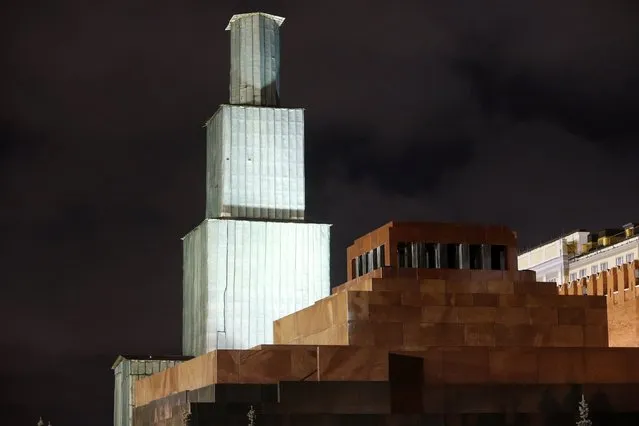
The Kremlin's Spasskaya (Saviour) Tower, covered by scaffolding, is seen behind the mausoleum of Soviet state founder Vladimir Lenin at the Red Square in Moscow, December 23, 2014. The restoration works will last until the spring of 2015, according to local media. (Photo by Sergei Karpukhin/Reuters)
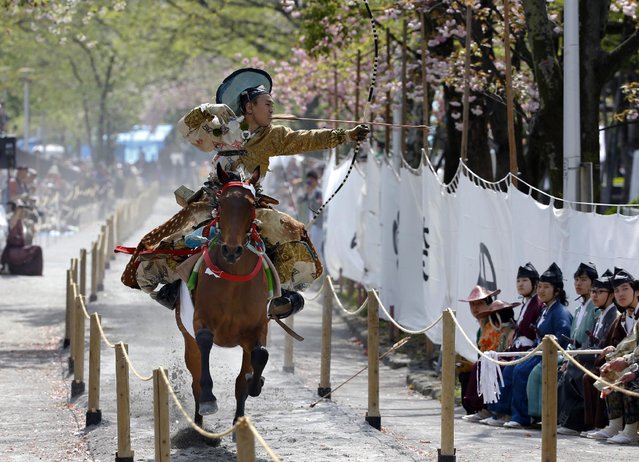
An archer in a samurai warrior costume aims at a target in the Asakusa Yabusame horseback archery event at Sumida Park in Tokyo, Saturday, April 18, 2015. (Photo by Shizuo Kambayashi/AP Photo)
Livestock vendors displays their bulls to customers at a cattle market in Hyderabad, in Pakistan's Sindh province on May 20, 2025, ahead of the upcoming Muslim festival of Eid al-Adha. (Photo by Husnain Ali/AFP Photo)
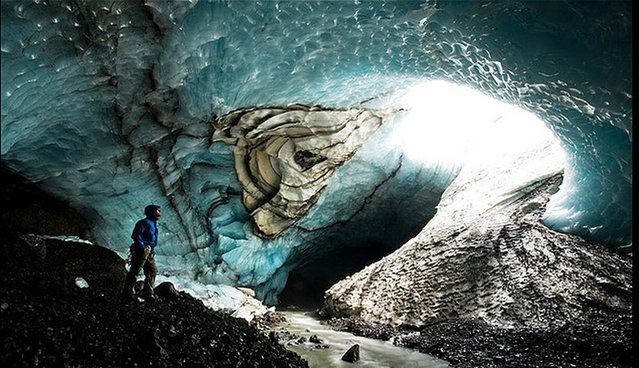
Vatnajökull (meaning Glacier of Rivers), also known as the Vatna Glacier, is the largest and most voluminous Icelandic glacier, and one of the largest in area in Europe. It is located in the south-east of the island, covering more than 8 percent of the country.
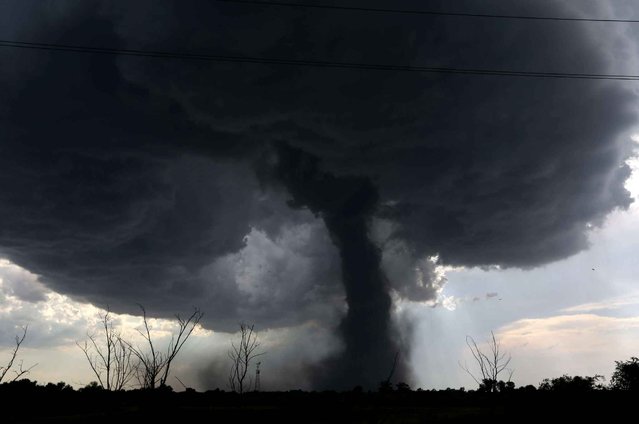
A tornado builds and travels southwest causing damage near Dean Rd. and 82nd Avenue in Hutchinson, Kan. on Monday, July 13, 2015. (Photo by Sandra J. Milburn/The Hutchinson News via AP Photo)
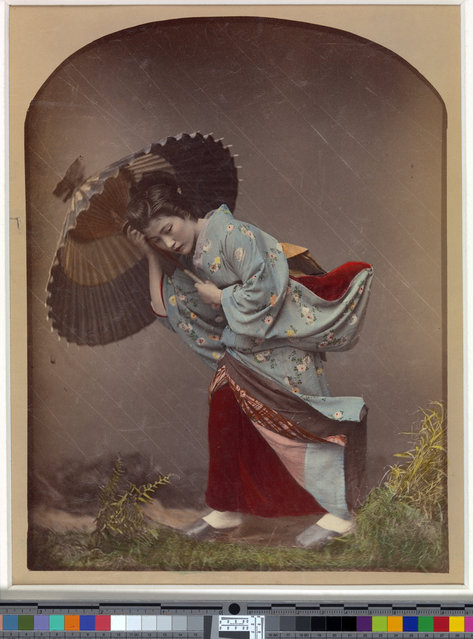
“Woman with Umbrella in Rain” by Raimund von Stillfried. Artist: Kusakabe Kimbei (Japanese, 1841–1934), 1870s. Commercial photography studios in Meiji-era Japan were renowned for the subtlety and refinement of their coloring techniques. This hand-tinted image of a young woman caught in a heavy rainstorm achieved its naturalistic effect by knitting together multiple strands of artifice: the greenery in the foreground was a studio prop; the flaps of the kimono were suspended by thin wires to create the impression of a strong wind; and long, diagonal marks were made on the negative to suggest streaks of rain. (Photo courtesy of The Metropolitan Museum of Art)