Loading...
Done
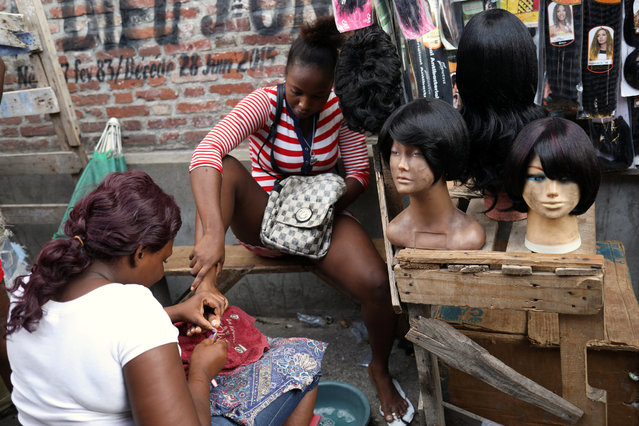
A woman gets a pedicure in Port-au-Prince, Haiti, on October 13, 2017. (Photo by Andres Martinez Casares/AP Photo)

A woman gets a pedicure in Port-au-Prince, Haiti, on October 13, 2017. (Photo by Andres Martinez Casares/AP Photo)
Details
18 Jan 2018 06:22:00
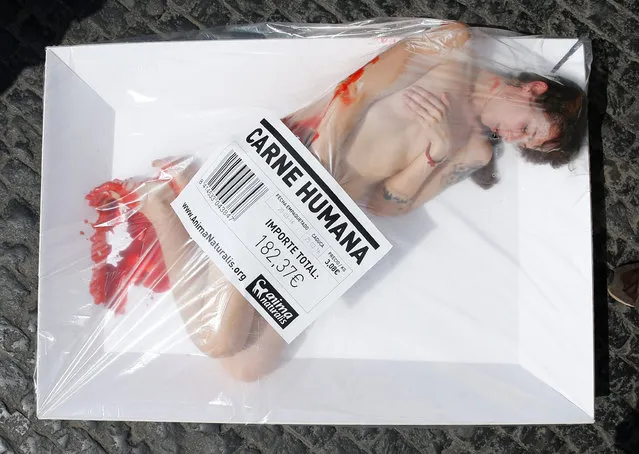
An animal rights activist, wrapped in packaging labelled “carne humana” (human meat),  participates in a protest against meat consumption to promote vegetarianism in central Barcelona, in Spain, May 22, 2016. (Photo by Albert Gea/Reuters)

An animal rights activist, wrapped in packaging labelled “carne humana” (human meat), participates in a protest against meat consumption to promote vegetarianism in central Barcelona, in Spain, May 22, 2016. (Photo by Albert Gea/Reuters)
Details
23 May 2016 10:07:00


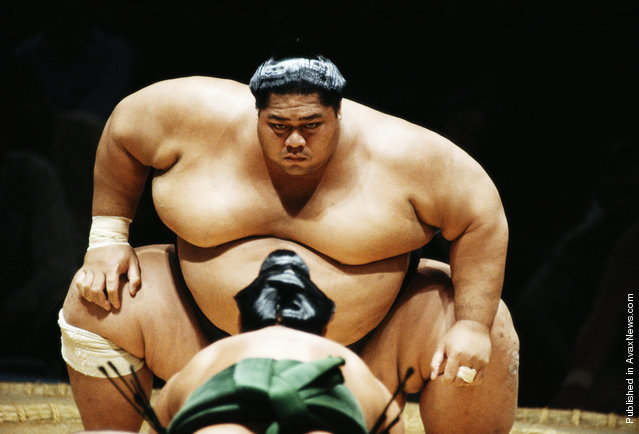
Konishiki “The Dumptruck” of Hawaii stares down at his opponent during the first Sumo Bashai held outside Japan, at the Albert Hall in London, England. (Photo by Chris Cole /Getty Images). 1991
Details
18 Mar 2011 08:23:00
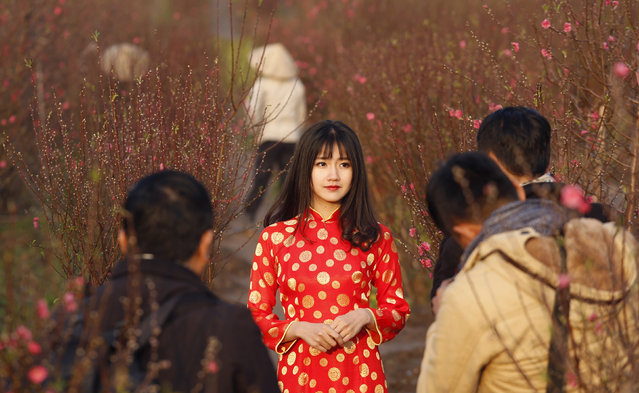
A Vietnamese woman, wearing the traditional “ao dai” long dress, poses for photos along peach blossom flowers ahead of the Vietnamese “Tet” (Lunar New Year festival), in a field in Hanoi, Vietnam, February 2, 2016. (Photo by Reuters/Kham)

A Vietnamese woman, wearing the traditional “ao dai” long dress, poses for photos along peach blossom flowers ahead of the Vietnamese “Tet” (Lunar New Year festival), in a field in Hanoi, Vietnam, February 2, 2016. (Photo by Reuters/Kham)
Details
03 Feb 2016 13:43:00
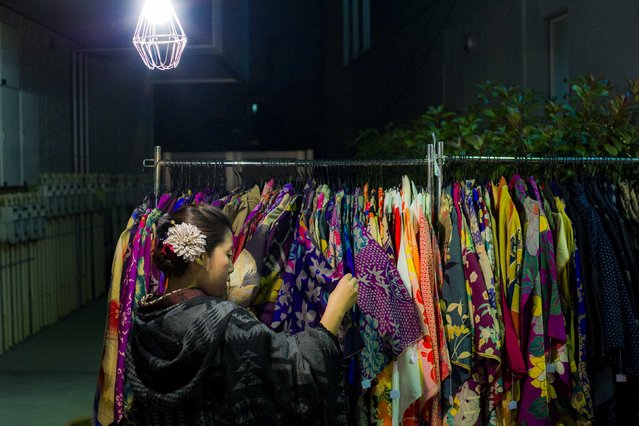
A woman browses through kimonos for sale at Boroichi flea market in Tokyo December 15, 2014. In the 16th century, Boroichi was a place for farmers to buy and sell rags, known as boro, for mending clothes and weaving sandals. Now in its 436th year, the original spirit lingers, with about 700 stands hawking fabric, used clothes and piles of rags. Others sell kitchen tools, pottery, seaweed and spices. (Photo by Thomas Peter/Reuters)

A woman browses through kimonos for sale at Boroichi flea market in Tokyo December 15, 2014. In the 16th century, Boroichi was a place for farmers to buy and sell rags, known as boro, for mending clothes and weaving sandals. Now in its 436th year, the original spirit lingers, with about 700 stands hawking fabric, used clothes and piles of rags. Others sell kitchen tools, pottery, seaweed and spices. About 200,000 people flock to the market, which is only open for four mid-winter days a year – two in December and two in January. (Photo by Thomas Peter/Reuters)
Details
19 Dec 2014 12:50:00
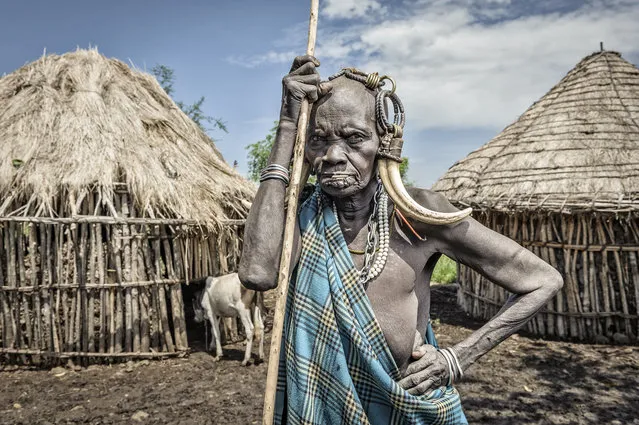
“Old Mursi woman”. Old woman by the huts of her village. Location: Marenke, Omo valley, Ethiopia. (Photo and caption by Jorge Fernandez/National Geographic Traveler Photo Contest)

“Old Mursi woman”. Old woman by the huts of her village. Location: Marenke, Omo valley, Ethiopia. (Photo and caption by Jorge Fernandez/National Geographic Traveler Photo Contest)

ATTENTION! All pictures are presented in high resolution. To see Hi-Res images – just TWICE click on any picture. In other words, click small picture – opens the BIG picture. Click BIG picture – opens VERY BIG picture.
Details
24 Jun 2013 09:55:00
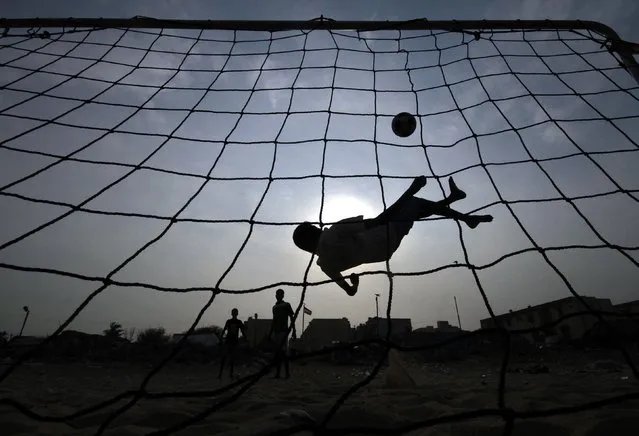
FIFA World Cup Fever In India

A boy does a bicycle kick as he practises on the Marina beach ahead of the World Cup soccer tournament in Brazil, in Chennai June 4, 2014. REUTERS/Babu
Details
05 Jun 2014 11:16:00
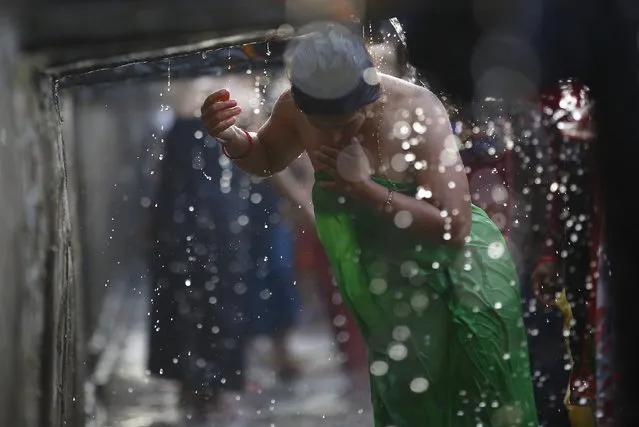
A devotee takes a holy bath at the Balaju Baise Dhara (22 water spouts) during the Baishak Asnan festival in Kathmandu April 4, 2015. Devotees believe that the water from these stone spouts, which is collected from the catchment area of the Nagarjun forest behind the spouts, will cure pains and skin diseases. (Photo by Navesh Chitrakar/Reuters)

A devotee takes a holy bath at the Balaju Baise Dhara (22 water spouts) during the Baishak Asnan festival in Kathmandu April 4, 2015. Devotees believe that the water from these stone spouts, which is collected from the catchment area of the Nagarjun forest behind the spouts, will cure pains and skin diseases. (Photo by Navesh Chitrakar/Reuters)
Details
04 Apr 2015 10:53:00