Loading...
Done
Pink Champagne Fox Miko

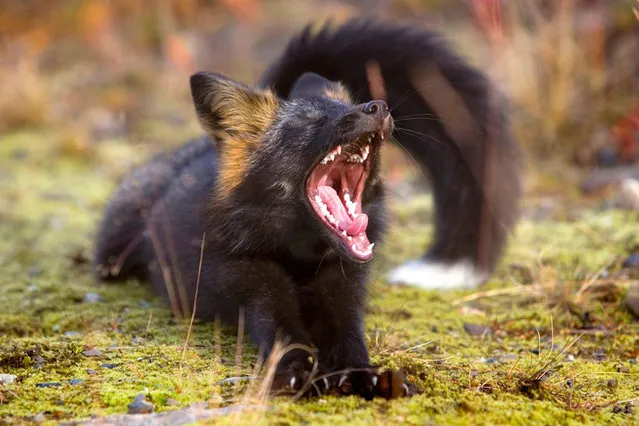
Meet this Miko, a 4-month fox color "pink champagne". Fox this color were first bred on the Canadian farm, one hundred years ago. They are so rare species that currently exist in the world only two such individuals: one lives in Ontario, and the other is Miko. Such foxes bred in captivity and contain only as pets in Canada.
Details
21 Mar 2014 12:49:00
Silver Fox By Steffen Sailor

The legendary silver fox is a creature of mystery rarely seen in the wild, and will – literally – run for the hills upon human encounters
Details
21 Oct 2012 05:06:00
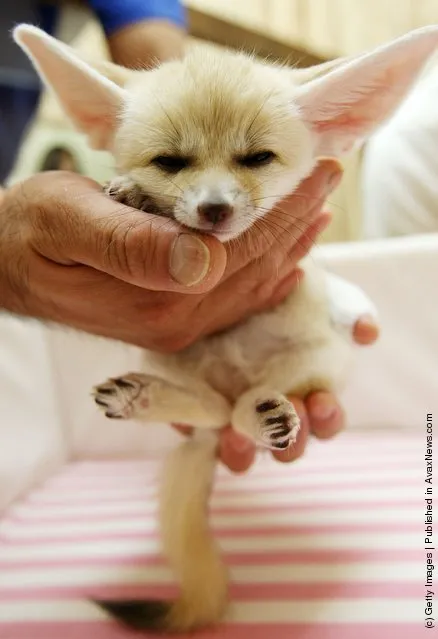
Baby Fennec Fox

“The fennec fox is a small nocturnal fox found in the Sahara of North Africa. Its most distinctive feature is unusually large ears. The name “fennec” comes from the Arabic word for fox, and the species name zerda has a Greek origin that refers to its habitat. The fennec is the smallest species of canid in the world; coat, ears and kidney functions have adapted to a high-temperature, low-water, desert environment. In addition, its hearing is sensitive enough to hear prey moving underground”. – Wikipedia

Photo: A Baby Fennec is seen at Sunshine International Aquarium on June 24, 2009 in Tokyo, Japan. The small nocturnal fox babies were born on May 17 2009. (Photo by Junko Kimura/Getty Images)
Details
16 Sep 2011 12:02:00
A member of the Edo Firemanship Preservation Association displays his balancing skills atop bamboo ladder during a New Year presentation by the fire brigade in Tokyo January 6, 2015. (Photo by Thomas Peter/Reuters)

A member of the Edo Firemanship Preservation Association displays his balancing skills atop bamboo ladder during a New Year presentation by the fire brigade in Tokyo January 6, 2015. (Photo by Thomas Peter/Reuters)
Details
07 Jan 2015 14:16:00
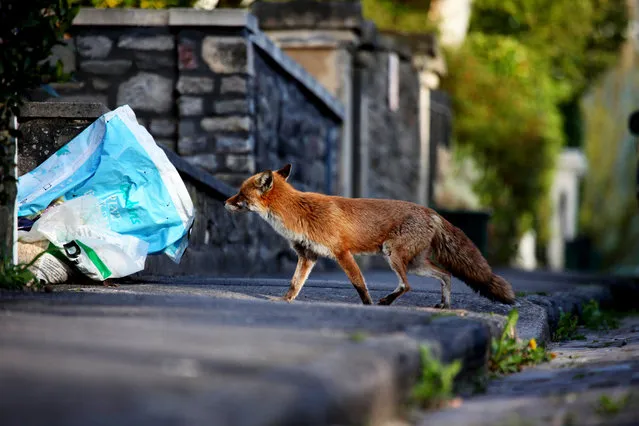
Urban Fox Project by Photographer Ian Wade

“I have been photographing this group of urban foxes in Bristol for over 12 months; what started off as a chance encounter has become an obsession for me and has changed my feelings and attitudes towards urban foxes forever...”. – Ian Wade. (Photo by Ian Wade)
Details
30 Jun 2013 12:36:00
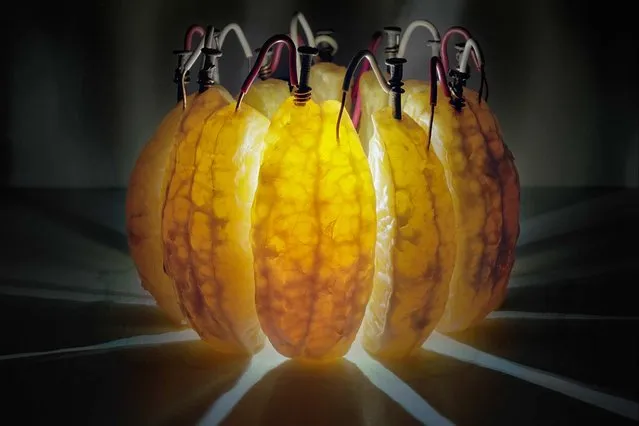
Wedges of an orange generate enough current and electrical juice – 3.5 volts – to power an LED. The fruit’s citric acid helps electrons flow from galvanized nails to copper wire in this 14-hour exposure. This image was published in September’s Visions of Earth, a trio of photos that appear in each issue of National Geographic. (Photo by Caleb Charland/National Geographic)

Wedges of an orange generate enough current and electrical juice – 3.5 volts – to power an LED. The fruit’s citric acid helps electrons flow from galvanized nails to copper wire in this 14-hour exposure. This image was published in September’s Visions of Earth, a trio of photos that appear in each issue of National Geographic. (Photo by Caleb Charland/National Geographic)
Details
06 Jan 2014 12:09:00
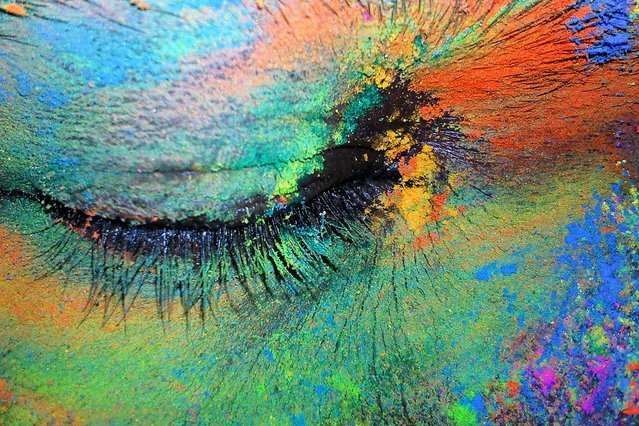
This close-up image – of a Holi Festival celebrant in Vrindivan, India, coated in neon-colored powder – was submitted to National Geographic’s Your Shot in the last week of March. On April 1 we published it on our Daily News site, along with seven other bright scenes captured during the Hindu spring Festival of Colors. (Photo by Tinto Alencherry/National Geographic)

This close-up image – of a Holi Festival celebrant in Vrindivan, India, coated in neon-colored powder – was submitted to National Geographic’s Your Shot in the last week of March. On April 1 we published it on our Daily News site, along with seven other bright scenes captured during the Hindu spring Festival of Colors. (Photo by Tinto Alencherry/National Geographic)
Details
06 Jan 2014 12:30:00
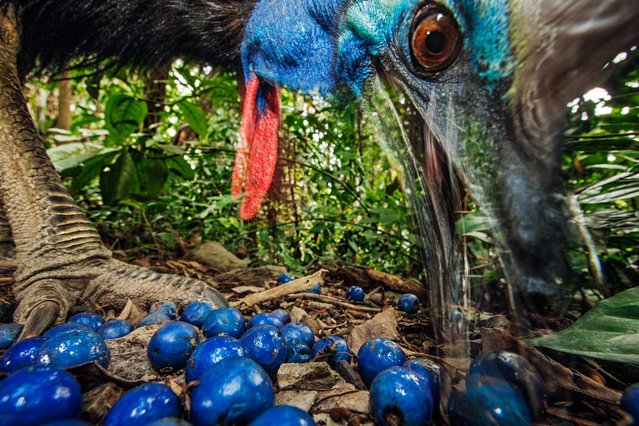
“Cassowaries are large, flightless birds related to emus and (more distantly) to ostriches, rheas, and kiwis”, writes Olivia Judson in the September issue of National Geographic magazine. (Photo by Christian Ziegler/National Geographic)

“Cassowaries are large, flightless birds related to emus and (more distantly) to ostriches, rheas, and kiwis”, writes Olivia Judson in the September issue of National Geographic magazine. How large? People-size: Adult males stand well over five foot five and top 110 pounds. Females are even taller, and can weigh more than 160 pounds. Dangerous when roused, they’re shy and peaceable when left alone. But even birds this big and tough are prey to habitat loss. The dense New Guinea and Australia rain forests where they live have dwindled. Today cassowaries might number 1,500 to 2,000. And because they help shape those same forests – by moving seeds from one place to another – “if they vanish”, Judson writes, “the structure of the forest would gradually change” too. (Photo by Christian Ziegler/National Geographic)
Details
06 Jan 2014 12:21:00