
26 Sep 2013 08:43:00,post received
0 comments

Details
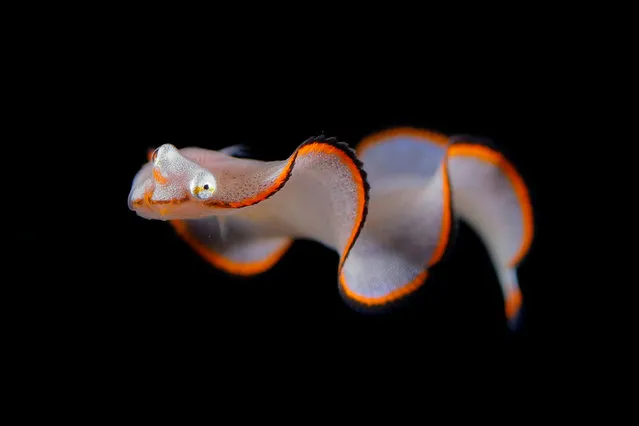
Ryo Minemizu, one of Japan’s emerging stars in the field of marine life photography and the 2017 winner of the Nikkei National Geographic photography prize, captures the beauty and complexity of plankton that drift in our planet’s oceans and other bodies of water in meticulous detail. Here: Batesian mimicry by a Soleichthys fish larva. (Photo by Ryo Minemizu/The Guardian)
21 Aug 2018 00:05:00,post received
0 comments
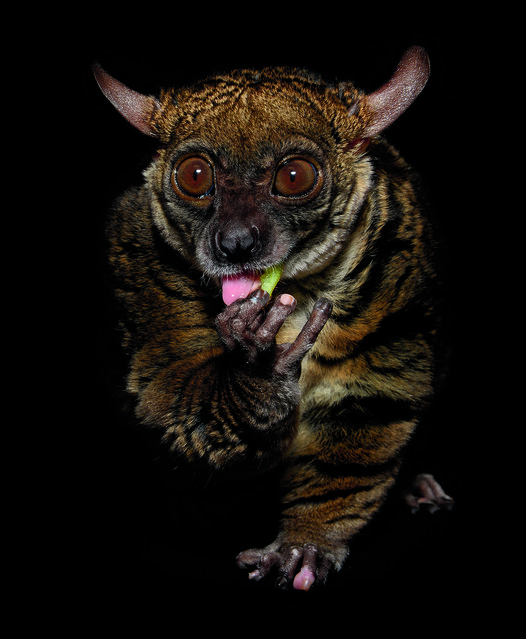
Galagos, more commonly known as bush babies, are tiny African primates with remarkable jumping abilities. Thanks to the elastic energy stored in the tendons of their lower legs, small-eared galagos can jump 6 feet straight up in the air. (Photo by Traer Scott/Chronicle Books)
07 Sep 2014 12:38:00,post received
0 comments

The view at night from the Shanghai Tower in Shanghai, China on August 7, 2015. The tower is technically smaller than the Burj Khalifa in Dubai but, while the observation deck of Dubai’s mega-structure is at 556m, the Shanghai Tower’s is at 561m, meaning the view is a little higher. (Photo by Paul Reiffer/REX Shutterstock)
21 Jan 2016 08:02:00,post received
0 comments
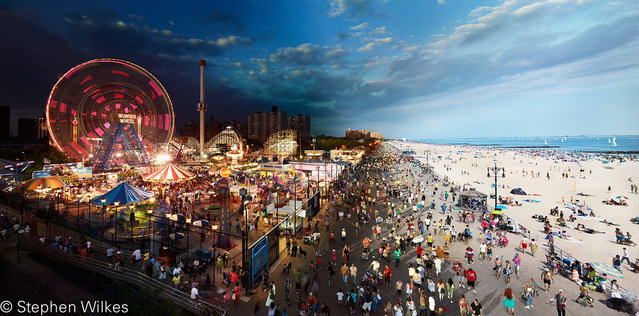
Photographer Stephen Wilkes spent a minimum of ten hours taking hundreds of shots to create each one of his Day to Night. Weaving and blending thirty to fifty parts, the photo-collagist extraordinaire created seamless, surrealist scenes of New York City life.
18 Jul 2013 09:49:00,post received
0 comments
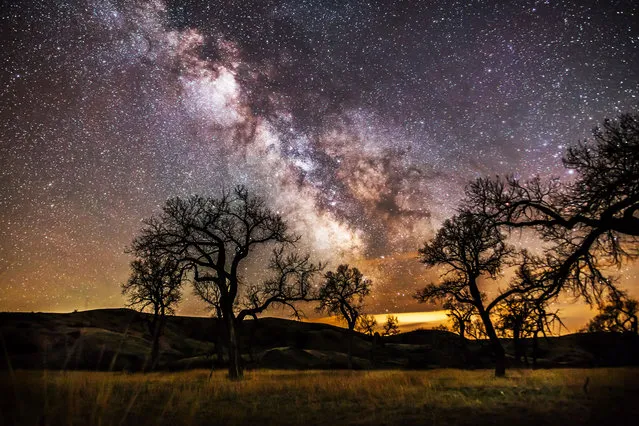
The stunning Milkyway in Midwestern U.S.A. captured by photographer Randy Halverson in 2013. The stunning skies in Midwestern U.S.A. captured by photographer Randy Halverson. The videographer captured rare footage of the Milky Way, the elusive Northern Lights and raging night storms in some of the most isolated regions of the U.S.A. The footage, which spans the skies of South Dakota, Wyoming and Utah, was taken between spring and autumn 2013. The 47-year-old spent 40 nights scattered across the eight-month period sat near his camera to capture the clear footage. Randy from Kennebec, South Dakota has been shooting timelapse for over 4 years. (Photo by Randy Halverson/Barcroft Media)
20 Aug 2014 10:32:00,post received
0 comments
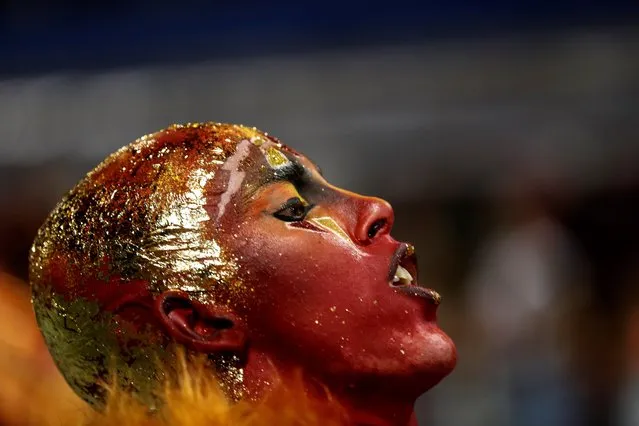
Members of Tom Maior Special Group samba school perform during the carnival parade at the Anhembi Sambadrome in Sao Paulo, Brazil, 22 February 2020. Carnival is the biggest and most popular celebration in Brazil. (Photo by Sebastiao Moreira/EPA/EFE)
26 Feb 2020 00:01:00,post received
0 comments
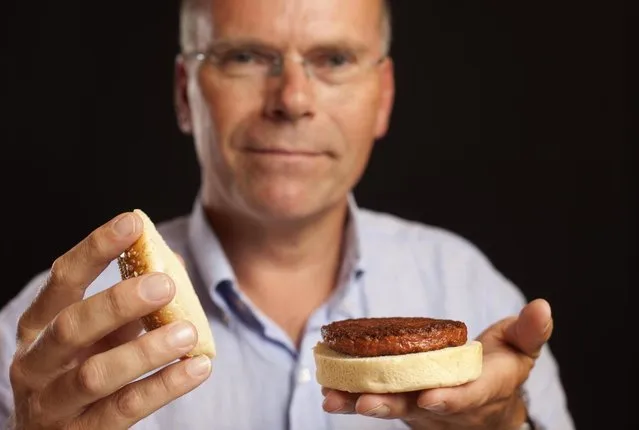
In this handout image provided by Ogilvy, a burger made from cultured beef, which has been developed by Professor Mark Post of Maastricht University in the Netherlands (pictured) is shown to the media during a press conference on August 5, 2013 in London, England. The in-vitro burger, cultured from cattle stem cells, the first example of what its creator says could provide an answer to global food shortages and help combat climate change, was fried in a pan and tasted by two volunteers. The burger is the result of years of research by Dutch scientist Mark Post, a vascular biologist at the University of Maastricht, who is working to show how meat grown in petri dishes might one day be a true alternative to meat from livestock.The meat in the burger has been made by knitting together around 20,000 strands of protein that has been cultured from cattle stem cells in Post's lab. (Photo by David Parry)
06 Aug 2013 08:48:00,post received
0 comments