Loading...
Done
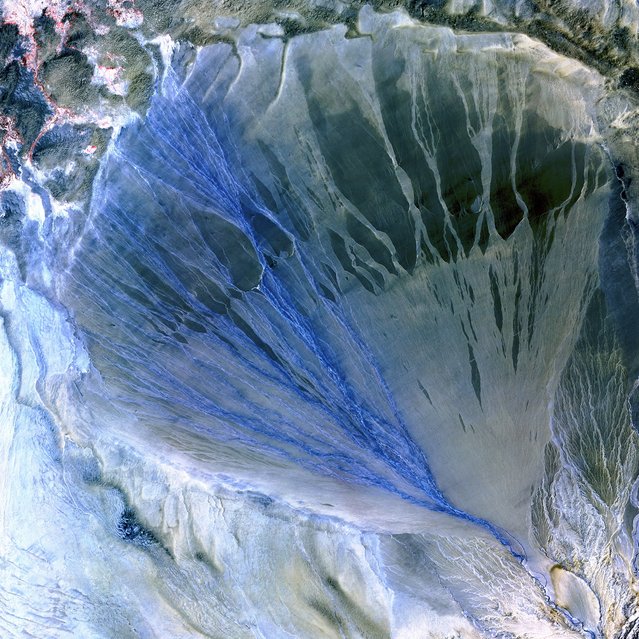
Alluvial Fan, China. A vast alluvial fan blossoms across the desolate landscape between the Kunlun and Altun mountain ranges that form the southern border of the Taklimakan Desert in China’s XinJiang Province. Image taken by the ASTER instrument on NASA’s Terra satellite on May 2nd, 2002. (Photo by NASA/GSFC/USGS EROS Data Center)

Alluvial Fan, China. A vast alluvial fan blossoms across the desolate landscape between the Kunlun and Altun mountain ranges that form the southern border of the Taklimakan Desert in China’s XinJiang Province. Image taken by the ASTER instrument on NASA’s Terra satellite on May 2nd, 2002. (Photo by NASA/GSFC/USGS EROS Data Center)
Details
07 Jan 2013 09:27:00
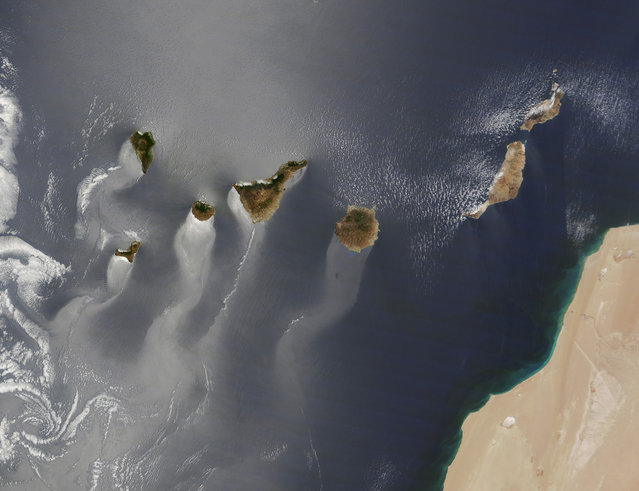
Canary Islands. (Photo by NASA)

Canary Islands. (Photo by NASA)
Details
29 Dec 2013 08:23:00
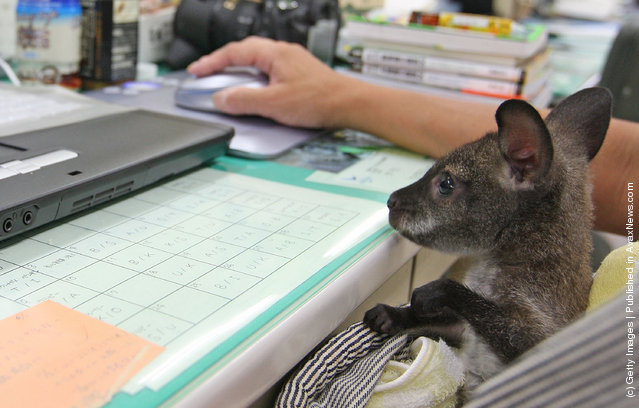
A baby wallaby

“Very small forest-dwelling wallabies are known as pademelons (genus Thylogale) and dorcopsises (genera Dorcopsis and Dorcopsulus). The name wallaby comes from the Eora Aboriginal tribe who were the original inhabitants of the Sydney area. Wallabies are herbivores whose diet consists of a wide range of grasses, vegetables, leaves, and other types of foliage”. – Wikipedia

Photo: A baby wallaby sits in a zoo attendant's lap at Edogawa Natural Zoo on August 4, 2009 in Tokyo, Japan. The staff of the zoo have raised the young wallaby after her mother neglected her. (Photo by Junko Kimura/Getty Images)
Details
07 Sep 2011 13:33:00


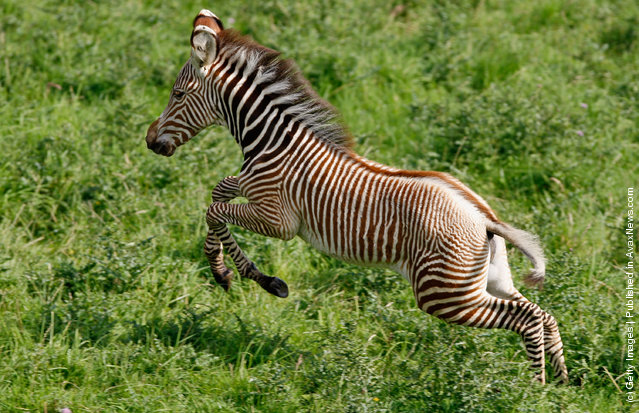
Florence the baby zebra foal, runs in its enclosure at Edinburgh zoo September 4, 2008 in Edinburgh, Scotland. This arrival at the zoo is particularly important as the Grevy's zebra is listed as endangered, with only an estimated 1,500 to 2,000 remaining in the wild. (Photo by Jeff J Mitchell/Getty Images)
Details
02 Jun 2011 11:34:00
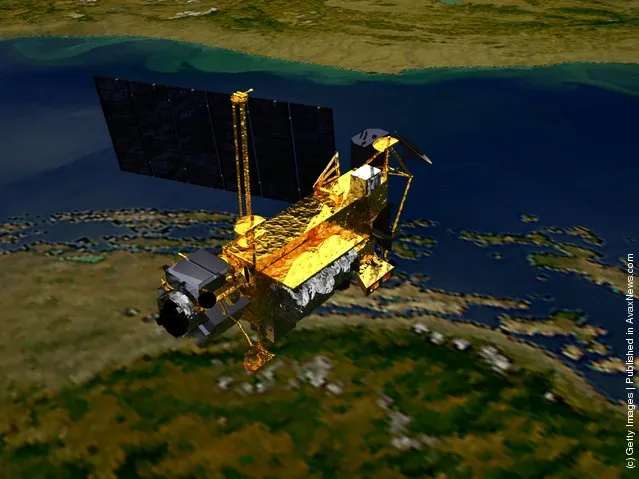
Upper Atmosphere Research Satellite (UARS)

In this artist illustration handout from the National Aeronautics and Space Administration (NASA), the Upper Atmosphere Research Satellite (UARS) is seen. According to NASA, the 12,500 pound satellite will fall from orbit into earth's atmosphere anytime between September 22 through 24. It is estimated that the space craft will break up into about 100 pieces, with an estimated 26 of which could hit the earth over a possible 500 mile debris field. (Illustration by NASA via Getty Images)
Details
21 Sep 2011 10:49:00
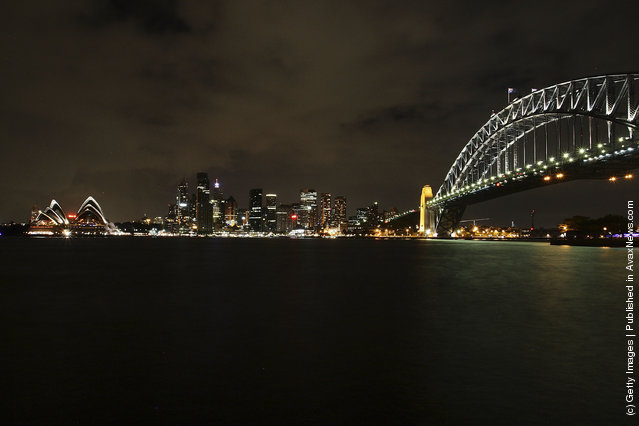
Sydney Dims For Earth Hour

The Sydney Skyline is seen before the lights are switched off for Earth Hour on March 26, 2011 in Sydney, Australia. Earth Hour encourages individuals around the world to turn off their lights for one hour at 20:30 local time on March 26, 2011 to take a stand against climate change. The largest Earth Hour was in 2010 when 128 countries participated.
Details
26 Mar 2011 14:54:00
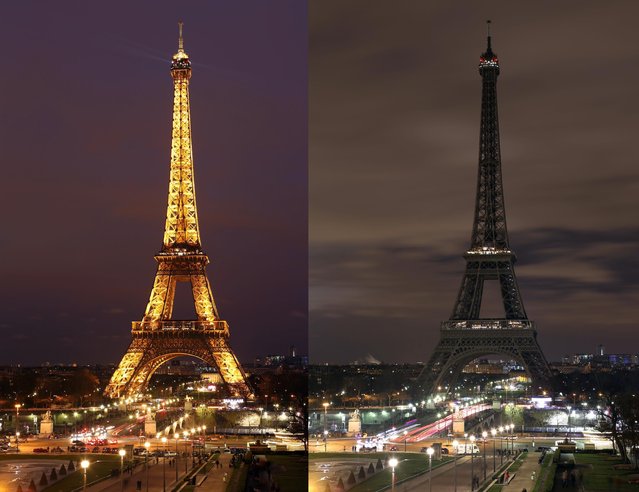
In this two photo combination picture, the Eiffel Tower with its usual lighting at left, and after the lighting was switched off at right, at the occasion of the Earth Hour, in Paris, France, Saturday March 28, 2015. This Saturday, 28 March 8:30 p.m. local time, individuals, businesses, cities and landmarks around the world are switching off their lights for one hour to focus attention on climate change. (Photo by Remy de la Mauviniere/AP Photo)

In this two photo combination picture, the Eiffel Tower with its usual lighting at left, and after the lighting was switched off at right, at the occasion of the Earth Hour, in Paris, France, Saturday March 28, 2015. This Saturday, 28 March 8:30 p.m. local time, individuals, businesses, cities and landmarks around the world are switching off their lights for one hour to focus attention on climate change. (Photo by Remy de la Mauviniere/AP Photo)
Details
29 Mar 2015 12:09:00


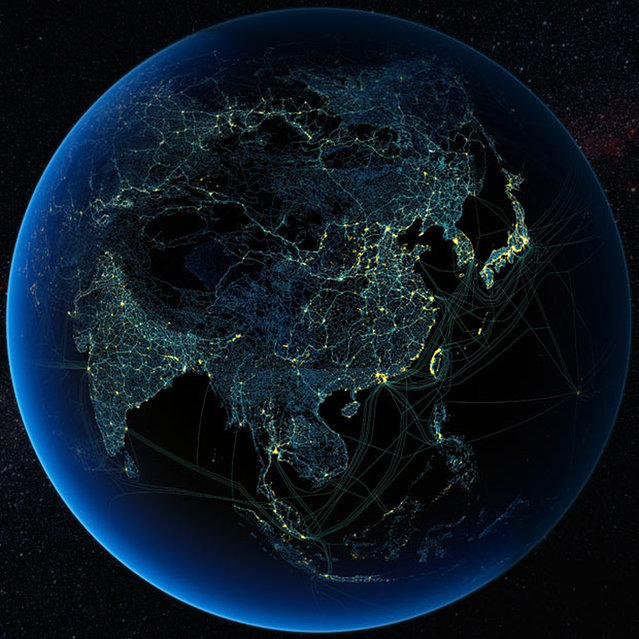
Defined according to wikipedia it is “a recent and informal geologic chronological term that serves to mark the evidence and extent of human activities that have had a significant global impact on the Earth’s ecosystems. The term was coined by ecologist Eugene Stoermer but has been widely popularized by the Nobel Prize-winning atmospheric chemist Paul Crutzen.”

The images here where created by Felix Pharand-Deschenes depicting how various human influences, from road and rail, to internet cables and airlines create significant patterns covering the Earth. What can we learn from these patterns in how they are influencing the environment
Details
19 Aug 2012 10:40:00