Loading...
Done
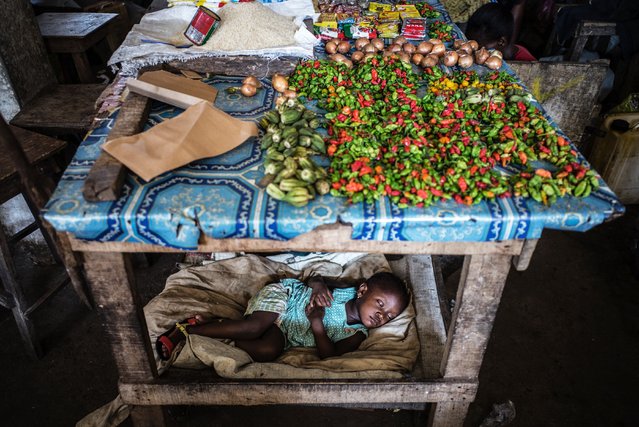
A child sleeps under a table at the Jorkpan market in Sinkor district in Monrovia, on May 2, 2016. (Photo by Marco Longari/AFP Photo)

A child sleeps under a table at the Jorkpan market in Sinkor district in Monrovia, Liberia on May 2, 2016. (Photo by Marco Longari/AFP Photo)
Details
10 May 2016 12:49:00
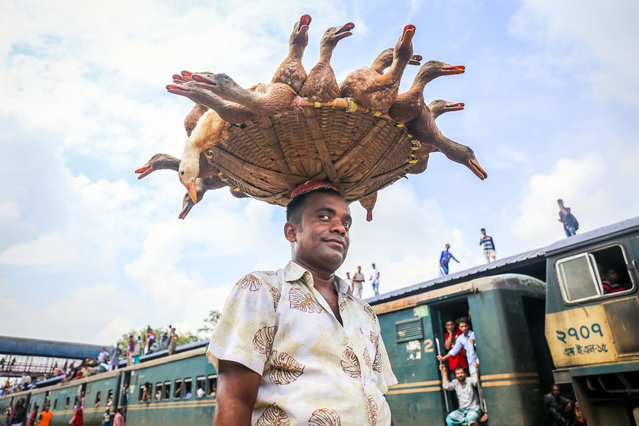
A duck salesman parades his stock to commuters at a busy station in Dhaka, Bangladesh on May 23, 2018. (Photo by Nazmul Hasan Khan/Caters News Agency)

A duck salesman parades his stock to commuters at a busy station in Dhaka, Bangladesh on May 23, 2018. (Photo by Nazmul Hasan Khan/Caters News Agency)
Details
13 Jun 2018 00:01:00
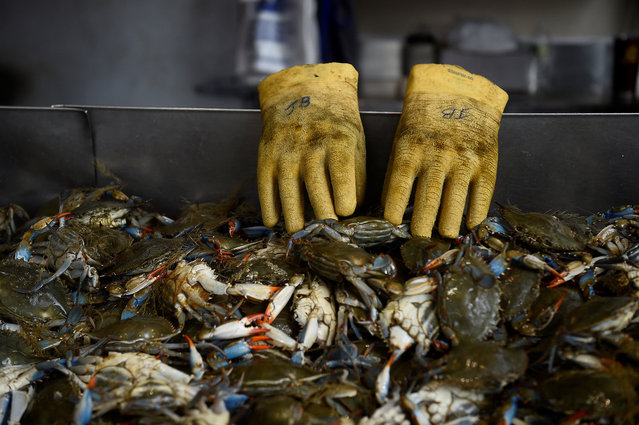
Empty gloves are seen at the side of a tray of Maryland Blue Crabs at Maine Avenue Fish Market which is the United States oldest fish market in continual operation since 1805, in Washington, U.S., May 6, 2019. (Photo by Clodagh Kilcoyne/Reuters)

Empty gloves are seen at the side of a tray of Maryland Blue Crabs at Maine Avenue Fish Market which is the United States oldest fish market in continual operation since 1805, in Washington, U.S., May 6, 2019. (Photo by Clodagh Kilcoyne/Reuters)
Details
04 Jun 2019 00:05:00
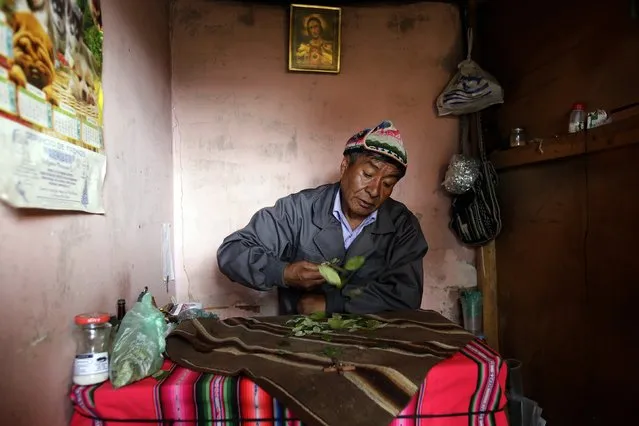
Aymara witchdoctor Ricardo Quispe, also called “Lord of the Lake”, throws coca leaves during a ritual to predict the future, at the witches market of El Alto, on the outskirts of La Paz, December 31, 2014. Dozens of witch doctors tend to a warren of stalls in El Alto, making offerings to give thanks, to promise luck at work or in love, or to call up spirits and banish curses at the end of the year. (Photo by David Mercado/Reuters)

Aymara witchdoctor Ricardo Quispe, also called “Lord of the Lake”, throws coca leaves during a ritual to predict the future, at the witches market of El Alto, on the outskirts of La Paz, December 31, 2014. Dozens of witch doctors tend to a warren of stalls in El Alto, making offerings to give thanks, to promise luck at work or in love, or to call up spirits and banish curses at the end of the year. (Photo by David Mercado/Reuters)
Details
01 Jan 2015 14:05:00
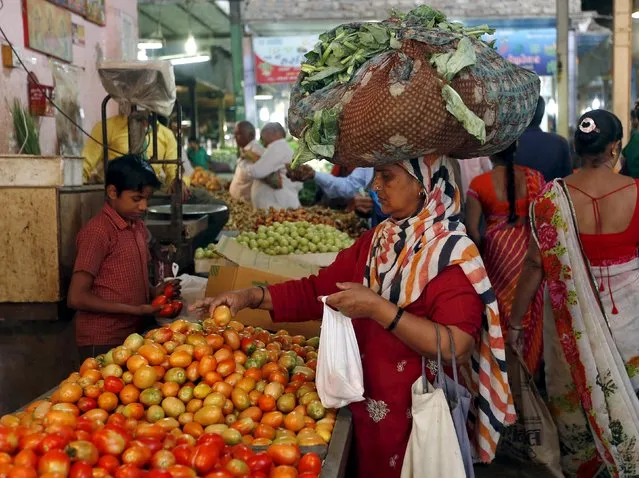
A woman carrying cabbage leaves on her head buys tomato at a market in Ahmedabad, India, November 9, 2015. (Photo by Amit Dave/Reuters)

A woman carrying cabbage leaves on her head buys tomato at a market in Ahmedabad, India, November 9, 2015. India's villages face a sharp spike in food prices in 2016, as a second year of drought drives up the cost of ingredients such as sugar and milk, and poor transport infrastructure stops falling global prices from reaching rural areas. (Photo by Amit Dave/Reuters)
Details
19 Nov 2015 08:02:00
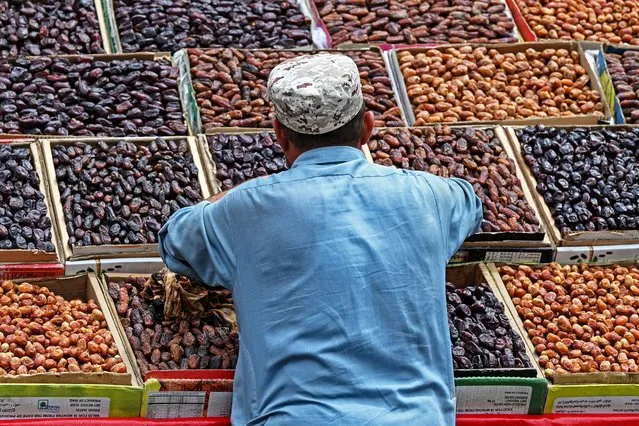
A vendor arranges dates on his cart at a market in Rawalpindi on June 1, 2023. (Photo by Farooq Naeem/AFP Photo)

A vendor arranges dates on his cart at a market in Rawalpindi on June 1, 2023. (Photo by Farooq Naeem/AFP Photo)
Details
18 Aug 2023 03:34:00
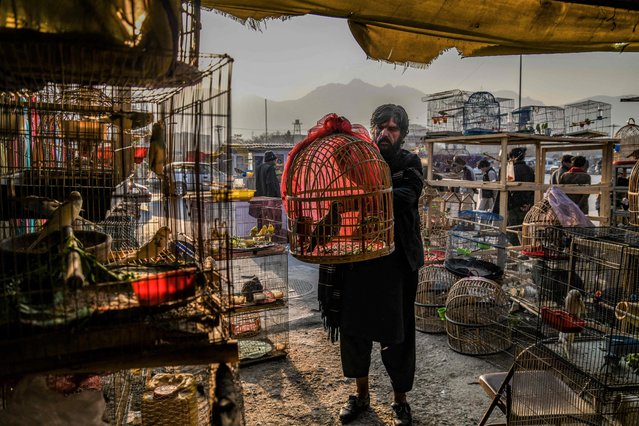
An Afghan vendor selling birds to be kept as pets wait for customers in his shop in Kabul on December 11, 2021. (Photo by Ahmad Sahel Arman/AFP Photo)

An Afghan vendor selling birds to be kept as pets wait for customers in his shop in Kabul on December 11, 2021. (Photo by Ahmad Sahel Arman/AFP Photo)
Details
01 Apr 2022 06:07:00
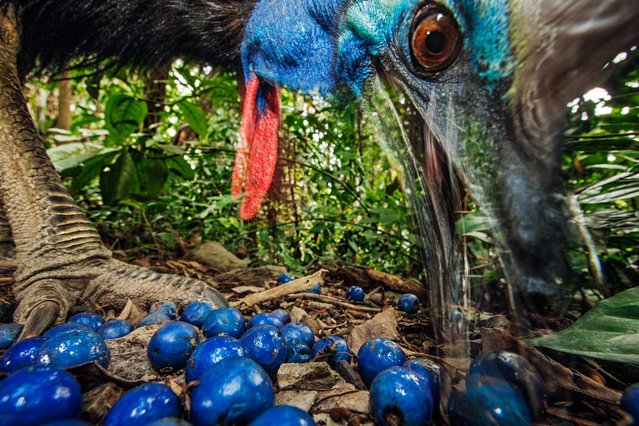
“Cassowaries are large, flightless birds related to emus and (more distantly) to ostriches, rheas, and kiwis”, writes Olivia Judson in the September issue of National Geographic magazine. (Photo by Christian Ziegler/National Geographic)

“Cassowaries are large, flightless birds related to emus and (more distantly) to ostriches, rheas, and kiwis”, writes Olivia Judson in the September issue of National Geographic magazine. How large? People-size: Adult males stand well over five foot five and top 110 pounds. Females are even taller, and can weigh more than 160 pounds. Dangerous when roused, they’re shy and peaceable when left alone. But even birds this big and tough are prey to habitat loss. The dense New Guinea and Australia rain forests where they live have dwindled. Today cassowaries might number 1,500 to 2,000. And because they help shape those same forests – by moving seeds from one place to another – “if they vanish”, Judson writes, “the structure of the forest would gradually change” too. (Photo by Christian Ziegler/National Geographic)
Details
06 Jan 2014 12:21:00