Loading...
Done
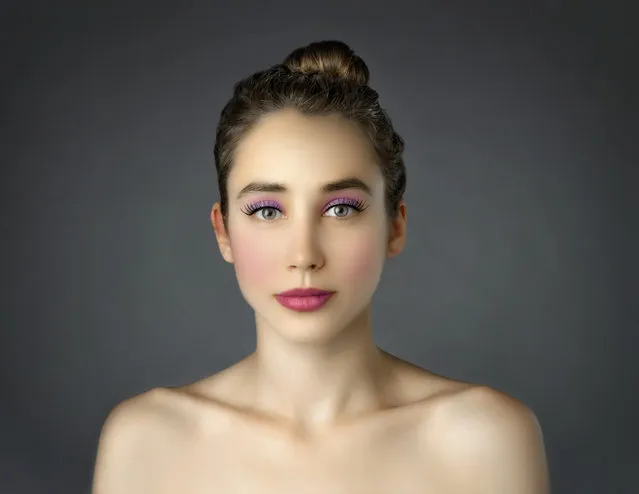
“Before & After” project: Greece. (Photo by Esther Honig)

As a social experiment, journalist Esther Honig contacted Photoshop artists across the world and told them to make her beautiful, and they did. Honigh said she was surprised by how her image was altered, saying the process has greatly changed her perception of beauty. Photo: “Before & After” project: Greece. (Photo by Esther Honig)
Details
29 Jun 2014 09:20:00
Judging America By Joel Pares

In his new powerful photo series "Judging America," photographer Joel Pares seamlessly fades photos of an unfounded ethnic stereotype with people's real professions. Starting with a simple photo that's based on the stereotypes associated with a person's appearance, Pares fades to their real profession to make us realize how deceiving looks can truly be.
Details
13 Oct 2014 20:03:00
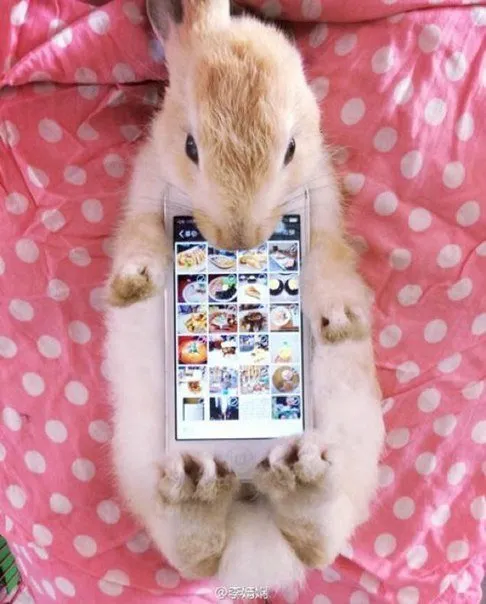
The Japanese Use A Real Rabbits As Case For Smartphone

If you see a weird trend or a mind boggling commercial, you know that it’s from Japan. Take the latest one for example. You might be misled be the title into thinking that those bloody bastards are killing poor rabbits and making iPhone cases out of them. However, the reality is much more adorable. The new trend is placing iPhones on rabbit’s tummies and taking pictures of it. Rabbits make the perfect iPhone holders! Not only are they fluffy as hell, they can also nibble on your fingers while you try to type a message, or try voiding your iPhone’s warranty by shaking your iPhone off while trying to escape this humiliation.
Details
27 Oct 2014 11:53:00
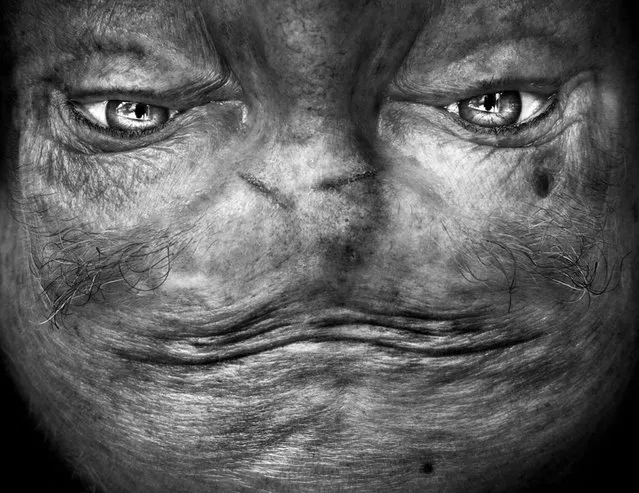
Upside-Down Portrait Photos By Anelia Loubser

This latest photo series by Anelia Loubser, a photographer in Cape Town, reminds us that even the simplest change in perspective can change how things look drastically. By selectively cropping and flipping the dark portraits in her “Alienation” series, Loubser makes basic human portraits look like creepy alien close-ups.
Details
12 Sep 2014 16:54:00
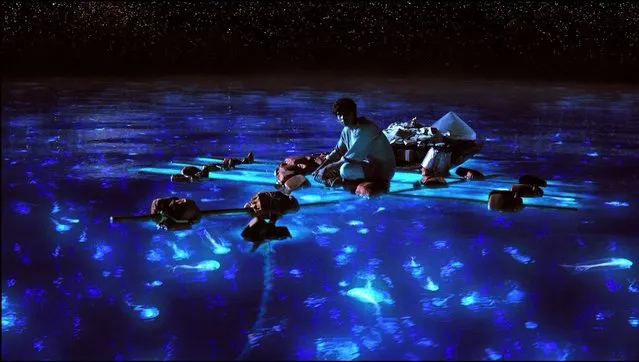
Glowing Bioluminescent Plankton

If you’ve had the unique privilege of witnessing bioluminescent plankton while diving at night, you know firsthand how beautiful the underwater light show can be. For those of us who haven’t experienced it, this unique phenomenon. So what makes this beautiful show possible? In a recent post at online scuba site AquaViews they share some insight we thought you all would find interesting.
Details
04 Jun 2013 10:55:00
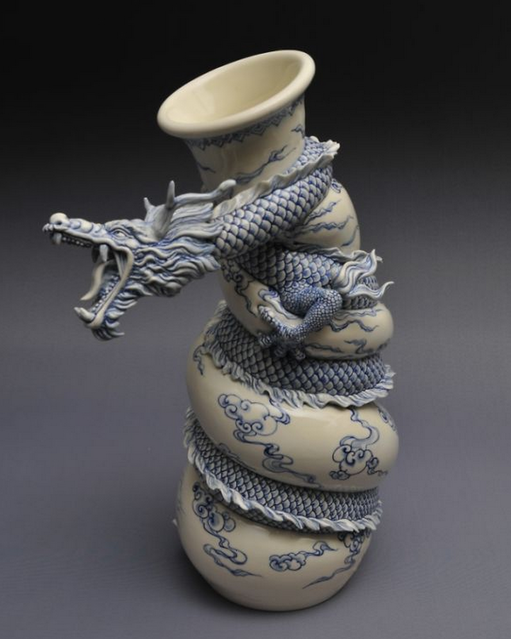
Beautiful Chinese Dragon Vase By Sculptor Johnson Tsang

Artist Johnson Tsang has been posting an amazing series of process photos over on his blog that demonstrate how he makes many of his bizarre ceramic creations. One piece that really stood out is called ‘A Painful Pot’, which is a functional teapot being squeezed by a dragon, its head functioning as the spout.
Details
03 Feb 2014 12:11:00
Kate & Canine Partner "Byron"

As dog owners know, you are lucky if your pooch can be persuaded to collect your slippers without chewing them to pieces.
But golden labrador Byron performs dozens of such tasks faultlessly for his owner every day.
He helps 'best friend' Kate Cross peg out her washing, make her bed, go shopping and even take money out of the cash machine.
Details
12 Feb 2013 13:57:00
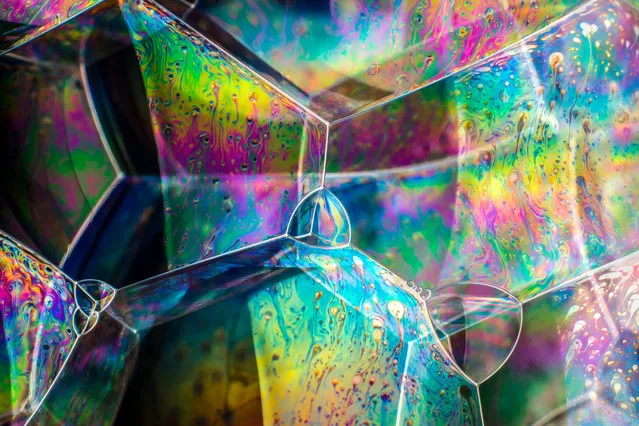
Soap Bubble Structures by Kym Cox. Bubbles optimise space and minimise their surface area for a given volume of air. This phenomenon makes them a useful tool in many areas of research, in particular, materials science and ‘packing’ – how things fit together. Bubble walls drain under gravity, thin at the top, thick at the bottom, which interferes with travelling lightwaves to create bands of colour. Black spots show the wall is too thin for interference colours, indicating the bubble is about to burst. (Photo by Kym Cox/2019 Science Photographer of the Year/RPS)

Soap Bubble Structures by Kym Cox. Bubbles optimise space and minimise their surface area for a given volume of air. This phenomenon makes them a useful tool in many areas of research, in particular, materials science and “packing” – how things fit together. Bubble walls drain under gravity, thin at the top, thick at the bottom, which interferes with travelling lightwaves to create bands of colour. Black spots show the wall is too thin for interference colours, indicating the bubble is about to burst. (Photo by Kym Cox/2019 Science Photographer of the Year/RPS)
Details
15 Aug 2019 00:03:00