Loading...
Done
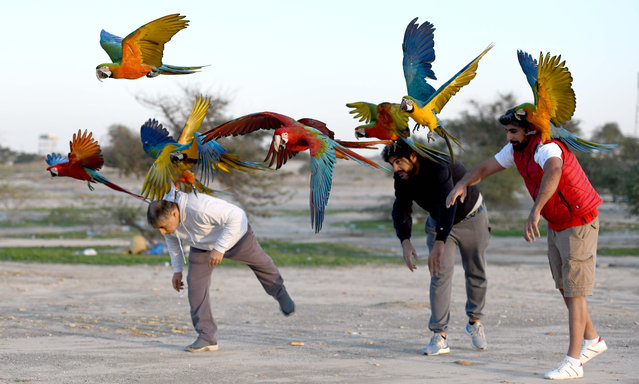
People train parrots during a parrot-training show held by Kuwaiti bird lovers in Jahra Governorate, Kuwait, December 7, 2020. (Photo by Xinhua News Agency/Rex Features/Shutterstock)

People train parrots during a parrot-training show held by Kuwaiti bird lovers in Jahra Governorate, Kuwait, December 7, 2020. (Photo by Xinhua News Agency/Rex Features/Shutterstock)
Details
03 Jan 2021 00:03:00
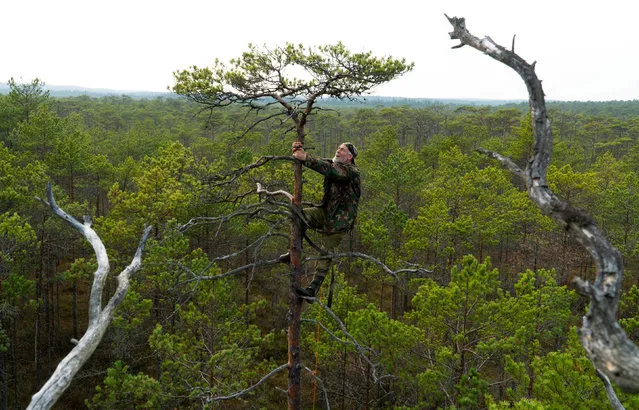
Belarusian ornithologist Vladimir Ivanovski, 72, stands on a tree as he builds an artificial nest for birds of prey from tree branches, in a marsh near the village of Kazyany, Belarus on October 20, 2019. (Photo by Vasily Fedosenko/Reuters)

Belarusian ornithologist Vladimir Ivanovski, 72, stands on a tree as he builds an artificial nest for birds of prey from tree branches, in a marsh near the village of Kazyany, Belarus on October 20, 2019. (Photo by Vasily Fedosenko/Reuters)
Details
10 Dec 2019 00:03:00
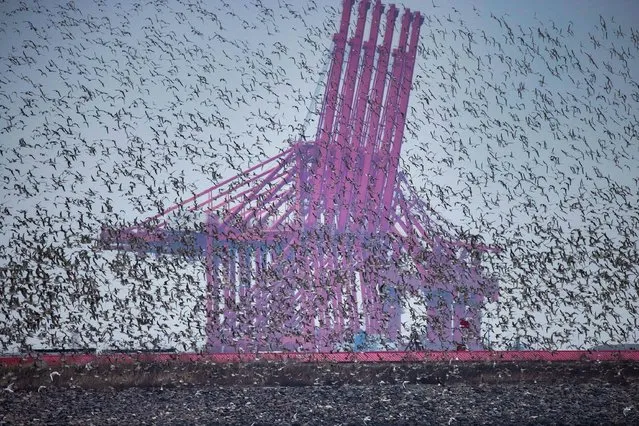
This photo taken on April 4, 2021 shows migratory birds flying over a wetland near the Yalu River in Dandong, in China's northeastern Liaoning province. (Photo by AFP Photo/China Stringer Network)

This photo taken on April 4, 2021 shows migratory birds flying over a wetland near the Yalu River in Dandong, in China's northeastern Liaoning province. (Photo by AFP Photo/China Stringer Network)
Details
27 May 2021 08:50:00
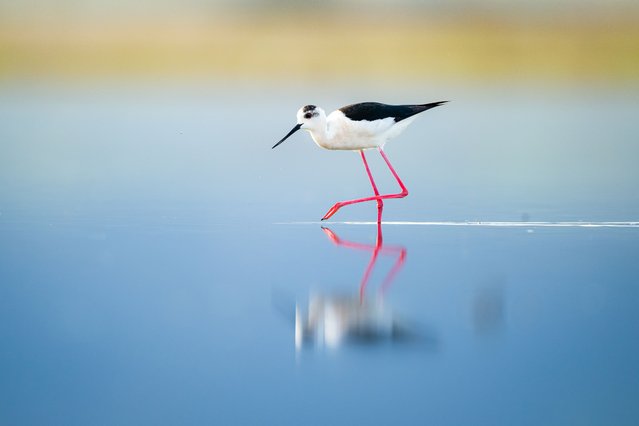
Black Winged Stilt is seen on Kavak Delta, a natural and ecologically important wetland for many migratory birds, in Canakkale, Turkiye on May 13, 2025. (Photo by Alper Tuydes/Anadolu via Getty Images)

Black Winged Stilt is seen on Kavak Delta, a natural and ecologically important wetland for many migratory birds, in Canakkale, Turkiye on May 13, 2025. (Photo by Alper Tuydes/Anadolu via Getty Images)
Details
25 May 2025 03:33:00
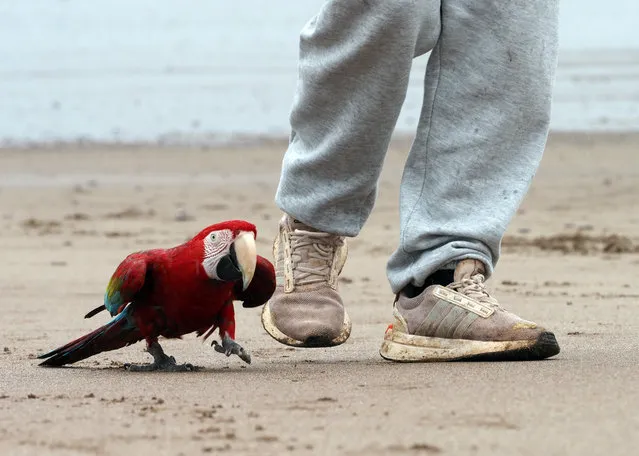
The Godson family had faced eviction over neighbours' complaints about the birds squawking and swearing. Now, after the family were targeted in a drive-by smoke-bomb attack over the birds they have upped and moved 200 miles from Hemel Hempstead, Herts, to Minehead, Somerset. And their pets join in their new idyllic coastal life – by walking along the beach with them on May 9, 2023. (Photo by Neil Hope/The Sun)

The Godson family had faced eviction over neighbours' complaints about the birds squawking and swearing. Now, after the family were targeted in a drive-by smoke-bomb attack over the birds they have upped and moved 200 miles from Hemel Hempstead, Herts, to Minehead, Somerset. And their pets join in their new idyllic coastal life – by walking along the beach with them on May 9, 2023. (Photo by Neil Hope/The Sun)
Details
23 May 2023 01:57:00
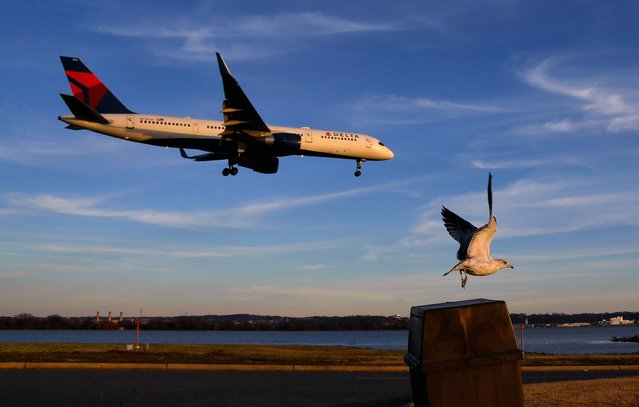
As an airliner prepares to land, a bird takes off at the Gravelly Point park near Reagan National Airport in Arlington, Va. on December 23, 2018. (Photo by Michael S. Williamson/The Washington Post)

As an airliner prepares to land, a bird takes off at the Gravelly Point park near Reagan National Airport in Arlington, Va. on December 23, 2018. (Photo by Michael S. Williamson/The Washington Post)
Details
29 May 2019 00:03:00
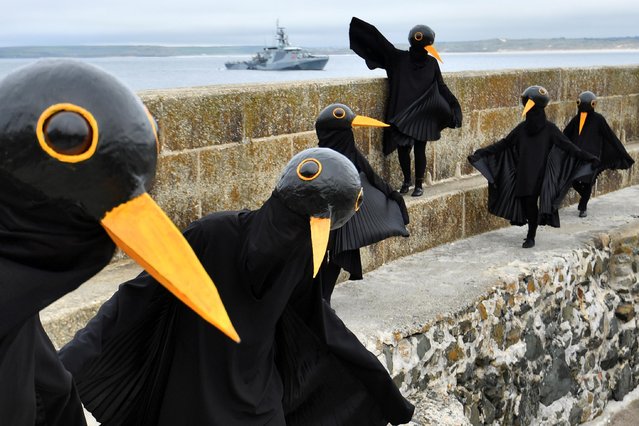
Climate change activists dressed up as black birds protest in St. Ives, on the sidelines of the G7 summit in Cornwall, Britain, June 11, 2021. (Photo by Dylan Martinez/Reuters)

Climate change activists dressed up as black birds protest in St. Ives, on the sidelines of the G7 summit in Cornwall, Britain, June 11, 2021. (Photo by Dylan Martinez/Reuters)
Details
12 Jun 2021 09:33:00
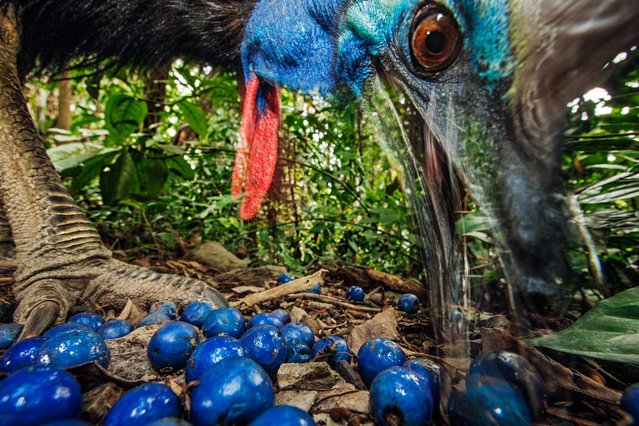
“Cassowaries are large, flightless birds related to emus and (more distantly) to ostriches, rheas, and kiwis”, writes Olivia Judson in the September issue of National Geographic magazine. (Photo by Christian Ziegler/National Geographic)

“Cassowaries are large, flightless birds related to emus and (more distantly) to ostriches, rheas, and kiwis”, writes Olivia Judson in the September issue of National Geographic magazine. How large? People-size: Adult males stand well over five foot five and top 110 pounds. Females are even taller, and can weigh more than 160 pounds. Dangerous when roused, they’re shy and peaceable when left alone. But even birds this big and tough are prey to habitat loss. The dense New Guinea and Australia rain forests where they live have dwindled. Today cassowaries might number 1,500 to 2,000. And because they help shape those same forests – by moving seeds from one place to another – “if they vanish”, Judson writes, “the structure of the forest would gradually change” too. (Photo by Christian Ziegler/National Geographic)
Details
06 Jan 2014 12:21:00