Loading...
Done


Ionel Istrati – Eu Numai, Numai. Songs of the Western Slavs. Very cheerfully.
Details
12 Jan 2019 00:20:00
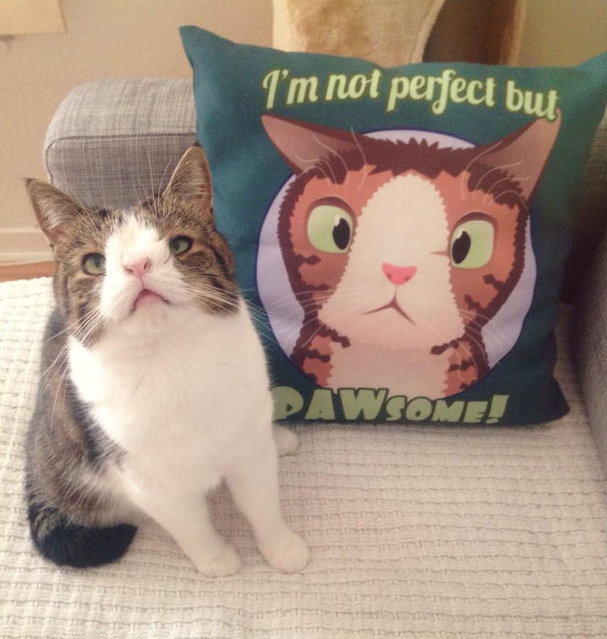
Monty The Cat Without A Nasal Bone

If you love someone very much, you care very little about their looks. The beauty of their soul is the thing that matters the most, changing your perception of them for the better. Monty the Cat is a vivid example of this fact. He was taken by his new owners from an animal shelter at the age of three, and became a proud member of their family. Due to a genetic anomaly Monty doesn’t have a nasal bridge, making his appearance rather unique. However, this peculiarity is what makes Monty special, and his new owners love him for it. Though he doesn’t realize that he’s any different from other cats, Monty knows that his owners love him very much.
Details
10 Nov 2014 13:49:00
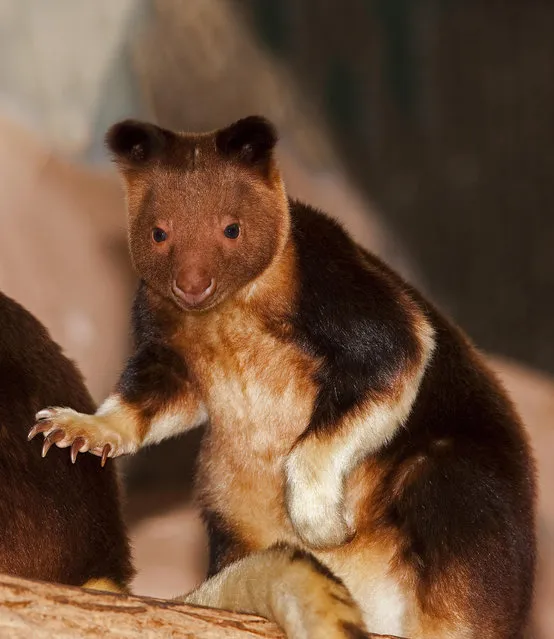
Goodfellow's Tree-Kangaroo

For some reason, everything that comes from Australia is either very cute or very poisonous; sometimes cute and poisonous at the same time. For example, Slow Loris, which you probably have seen eating a ball of rice on YouTube, is actually a very poisonous creature, despite its extreme cuteness. Goodfellow’s tree-kangaroos, on the other hand, are all cuteness and no poison. Just look at its cute little snout and furry paws, as it gingerly scratches its stomach, while sitting on its hind legs! If you don’t find this creature adorable, nothing will be able to thaw your stone-cold heart.

Details
30 Nov 2014 13:38:00
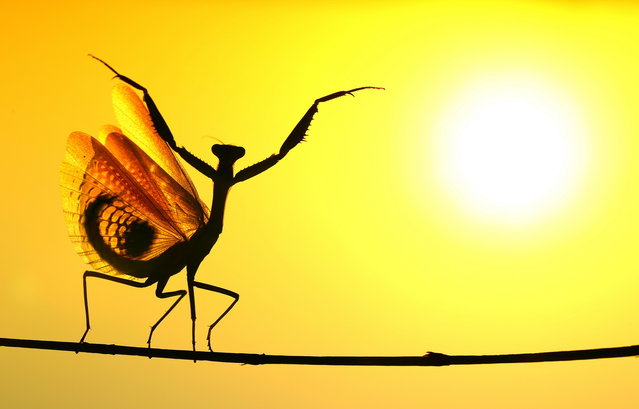
“Sunward”. When the Mediterrenean Mantis opened its wings, It seemed very impressive at the sunshine... Photo location: Nicosia, Cyprus. (Photo and caption by Hasan Baglar/National Geographic Photo Contest)

“Sunward”. When the Mediterrenean Mantis opened its wings, It seemed very impressive at the sunshine... Photo location: Nicosia, Cyprus. (Photo and caption by Hasan Baglar/National Geographic Photo Contest)
Details
01 Oct 2014 10:34:00
The US Navy Blue Angels numbers 5 and 6 fly below Sean Tucker (above) as he pilots the Oracle Challenger III over San Francisco, California as part of a practice run for Fleet Week on October 6, 2016. (Photo by Josh Edelson/AFP Photo)

The US Navy Blue Angels numbers 5 and 6 fly below Sean Tucker (above) as he pilots the Oracle Challenger III over San Francisco, California as part of a practice run for Fleet Week on October 6, 2016. (Photo by Josh Edelson/AFP Photo)
Details
10 Oct 2016 10:06:00
New York Islanders left wing Pierre Engvall and Columbus Blue Jackets Sean Kuraly (7) fight in the third period at UBS Arena on January 20, 2025 in Elmont, New York. (Photo by Wendell Cruz/USA TODAY Sports via Reuters)

New York Islanders left wing Pierre Engvall and Columbus Blue Jackets Sean Kuraly (7) fight in the third period at UBS Arena on January 20, 2025 in Elmont, New York. (Photo by Wendell Cruz/USA TODAY Sports via Reuters)
Details
29 Jan 2025 03:40:00
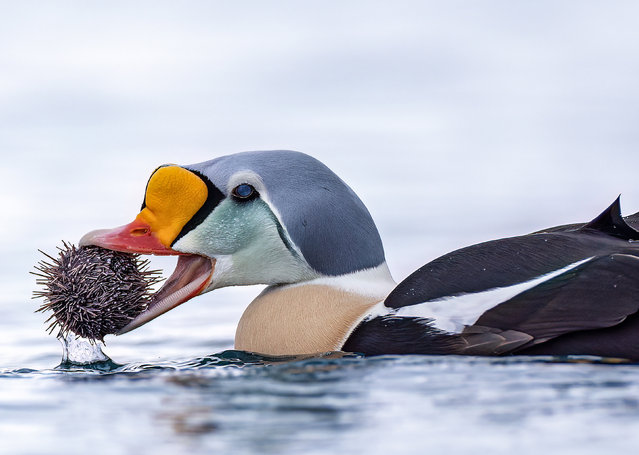
A king eider sea duck tackles a prickly dinner of sea urchin on a lake in Batsfjord, Norway in the last decade of August 2024. The drake’s breeding plumage consists of a distinctive powder-blue head and neck, orange frontal lobe and a red bill. (Photo by Mia Surakka/Solent News)

A king eider sea duck tackles a prickly dinner of sea urchin on a lake in Batsfjord, Norway in the last decade of August 2024. The drake’s breeding plumage consists of a distinctive powder-blue head and neck, orange frontal lobe and a red bill. (Photo by Mia Surakka/Solent News)
Details
01 Sep 2024 03:45:00
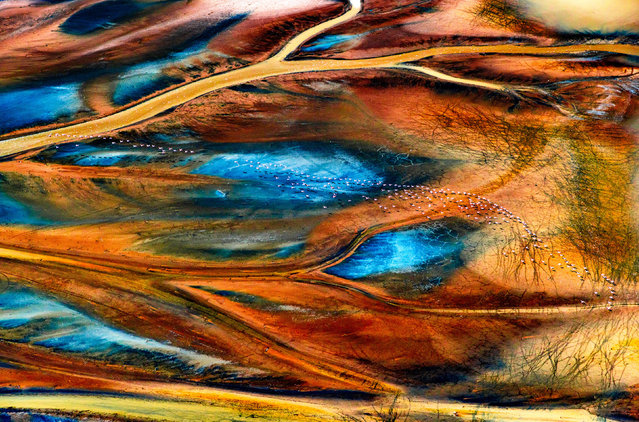
Hundreds of flamingos take flight in the Rift Valley in East Africa early September 2024. The birds gather in the region’s saline lakes to eat the blue-green algae that grows in abundance. The red-orange pigment in the algae is what gives them their distinctive pink plumage. They also use the site to breed. (Photo by Alexandre and Chloe Bes/Naturagency/Solent News)

Hundreds of flamingos take flight in the Rift Valley in East Africa early September 2024. The birds gather in the region’s saline lakes to eat the blue-green algae that grows in abundance. The red-orange pigment in the algae is what gives them their distinctive pink plumage. They also use the site to breed. (Photo by Alexandre and Chloe Bes/Naturagency/Solent News)
Details
23 Sep 2024 02:54:00