Loading...
Done
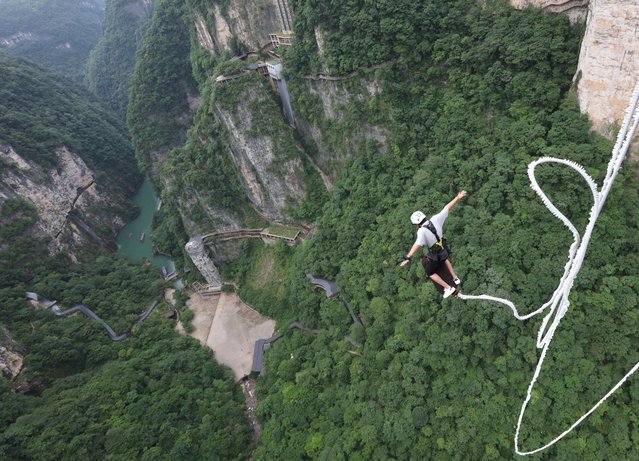
A tourist experiences bungee jumping at the Zhangjiajie Grand Canyon scenic area on July 12, 2021 in Zhangjiajie, Hunan Province of China. (Photo by Wu Yongbing/VCG via Getty Images)

A tourist experiences bungee jumping at the Zhangjiajie Grand Canyon scenic area on July 12, 2021 in Zhangjiajie, Hunan Province of China. (Photo by Wu Yongbing/VCG via Getty Images)
Details
15 Jul 2021 09:27:00
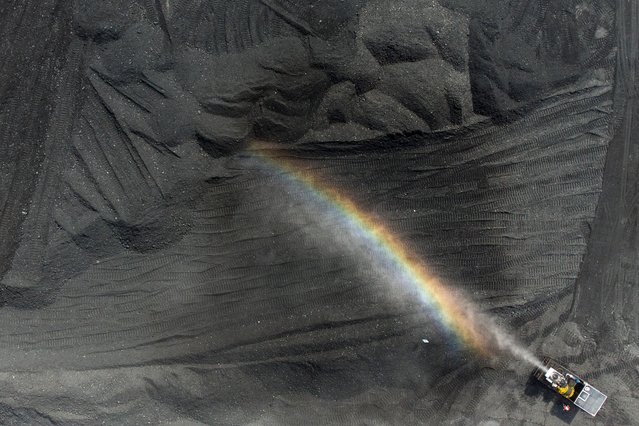
A rainbow forms on water from a spray machine used to suppress coal dust at the Krasnogorsky open pit coal mine, operated by Mechel PJSC, in Mezhdurechensk, Russia, on Monday, July 19, 2021. Russia’s government is betting that coal consumption will continue to rise in big Asian markets like China even as it dries up elsewhere. (Photo by Andrey Rudakov/Bloomberg)

A rainbow forms on water from a spray machine used to suppress coal dust at the Krasnogorsky open pit coal mine, operated by Mechel PJSC, in Mezhdurechensk, Russia, on Monday, July 19, 2021. Russia’s government is betting that coal consumption will continue to rise in big Asian markets like China even as it dries up elsewhere. (Photo by Andrey Rudakov/Bloomberg)
Details
06 Aug 2021 09:39:00
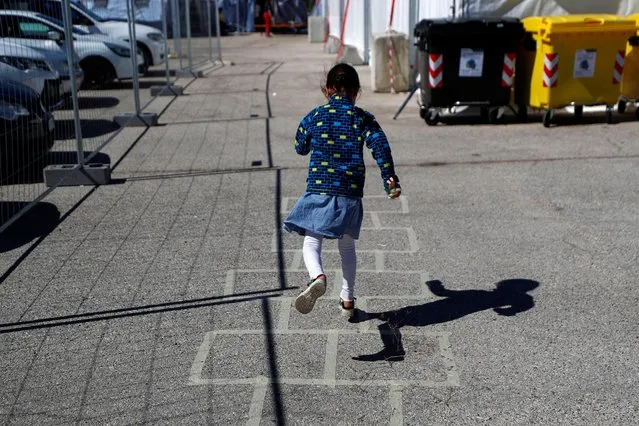
An Afghan evacuee plays at a holding centre run by the Italian Red Cross, where she carries out a quarantine with others, in Avezzano, Italy, August 30, 2021. (Photo by Guglielmo Mangiapane/Reuters)

An Afghan evacuee plays at a holding centre run by the Italian Red Cross, where she carries out a quarantine with others, in Avezzano, Italy, August 30, 2021. (Photo by Guglielmo Mangiapane/Reuters)
Details
24 Sep 2021 09:15:00
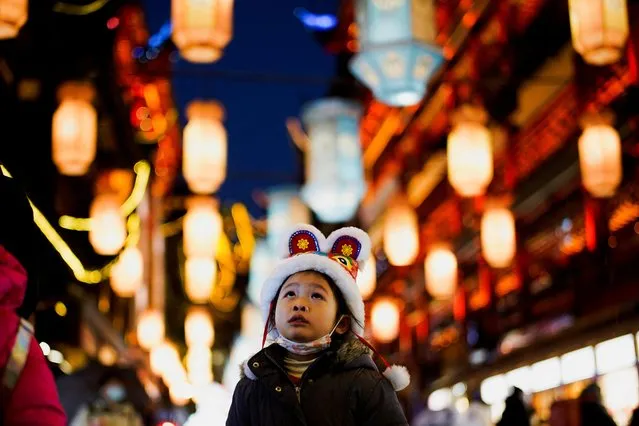
A girl visits by an area decorated with lanterns ahead of the Chinese Lunar New Year festivity at Yu Garden, following the new coronavirus disease (COVID-19) cases in Shanghai, China, January 28, 2022. (Photo by Aly Song/Reuters)

A girl visits by an area decorated with lanterns ahead of the Chinese Lunar New Year festivity at Yu Garden, following the new coronavirus disease (COVID-19) cases in Shanghai, China, January 28, 2022. (Photo by Aly Song/Reuters)
Details
24 Feb 2022 06:39:00
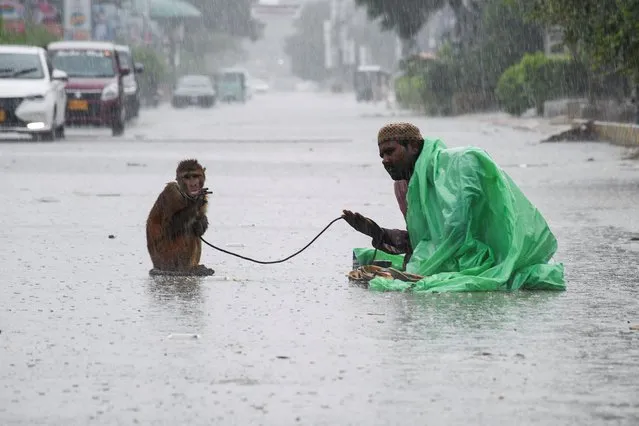
A man sits with his pet monkey, as they seek charity from passersby, along a road amidst rainfall during the monsoon season in Hyderabad, Pakistan on August 24, 2022. (Photo by Yasir Rajput/Reuters)

A man sits with his pet monkey, as they seek charity from passersby, along a road amidst rainfall during the monsoon season in Hyderabad, Pakistan on August 24, 2022. (Photo by Yasir Rajput/Reuters)
Details
01 Sep 2022 05:05:00
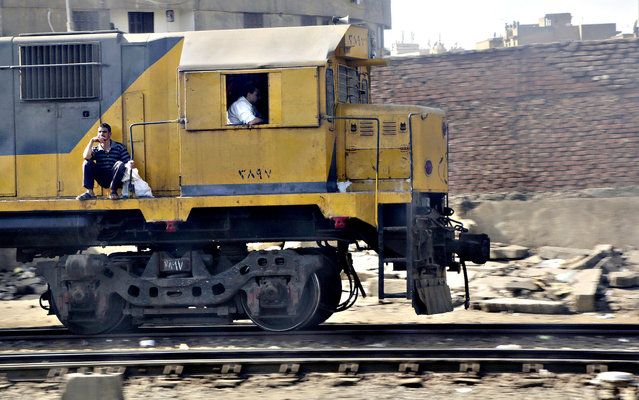
An Egyptian passenger sits on the locomotive of a train as it leaves Cairo train station in Egypt, Wednesday, October 14, 2015. (Photo by Amr Nabil/AP Photo)

An Egyptian passenger sits on the locomotive of a train as it leaves Cairo train station in Egypt, Wednesday, October 14, 2015. (Photo by Amr Nabil/AP Photo)
Details
12 Nov 2015 08:02:00
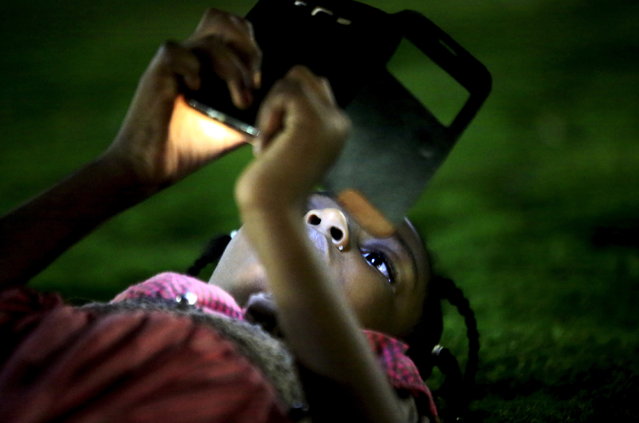
A girl uses her mobile phone during the evening at the National Park in Khartoum, Sudan, April 24, 2015. (Photo by Mohamed Nureldin Abdallah/Reuters)

A girl uses her mobile phone during the evening at the National Park in Khartoum, Sudan, April 24, 2015. (Photo by Mohamed Nureldin Abdallah/Reuters)
Details
14 Jul 2015 13:23:00
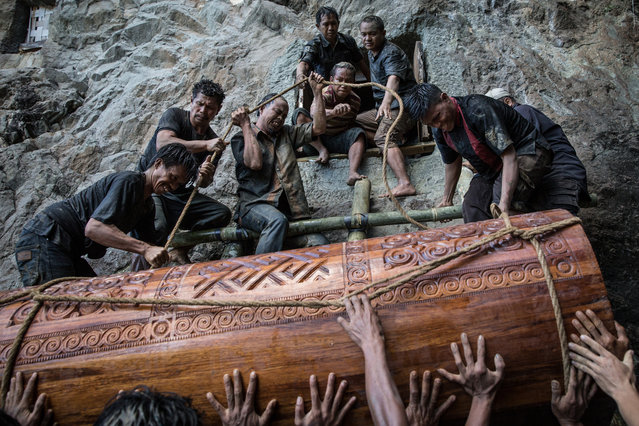
It is said that Torajans are people who “live to die”. For this Indonesian ethnic group, funerals are such extravagant events that they sometimes attract tourists. Families can postpone burials years (and the deceased are considered sick and hosted at home until the funeral) until the family can raise enough money and gather as many relatives as possible. And then it’s a jubilant multiday social event with a parade, dances and animal sacrifices. Agung Parameswara photographed these funerary practices when he traveled to South Sulawesi province, where the Torajans live. But often, their funeral isn’t the last time the dead are seen. In August, crypts are opened, coffins are slid back out and bodies delicately unsheathed. This tender ritual is known as Ma’Nene, which is customarily performed every few years. (Photo by Agung Parameswara/The Washington Post)

It is said that Torajans are people who “live to die”. For this Indonesian ethnic group, funerals are such extravagant events that they sometimes attract tourists. Families can postpone burials years (and the deceased are considered sick and hosted at home until the funeral) until the family can raise enough money and gather as many relatives as possible. And then it’s a jubilant multiday social event with a parade, dances and animal sacrifices. Agung Parameswara photographed these funerary practices when he traveled to South Sulawesi province, where the Torajans live. (Photo by Agung Parameswara/The Washington Post)
Details
06 Oct 2016 09:15:00