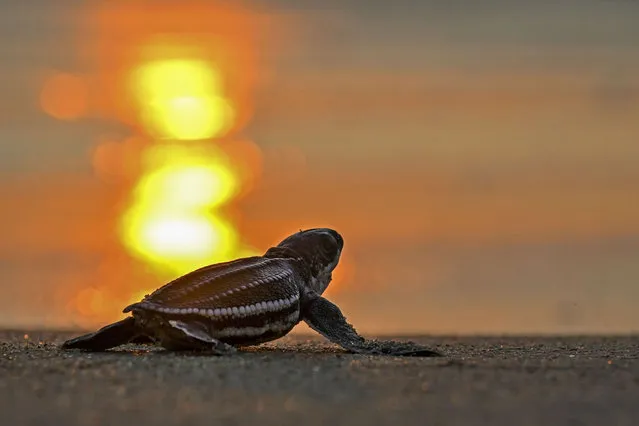
An Olive Ridley sea turtle hatchling releases into the sea at Lhoknga beach, Indonesia's Aceh province on January 16, 2024. (Photo by Chaideer Mahyuddin/AFP Photo)
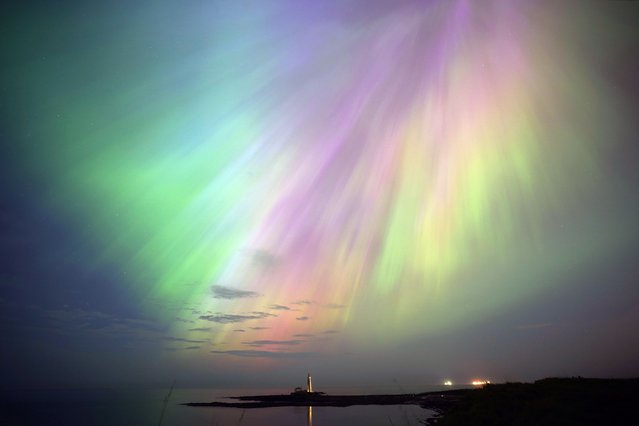
The aurora borealis, also known as the northern lights, glow in the sky over St Mary's Lighthouse in Whitley Bay on the North East coast, UK on Friday, May 10, 2024. (Photo by Owen Humphreys/PA Images via Getty Images)
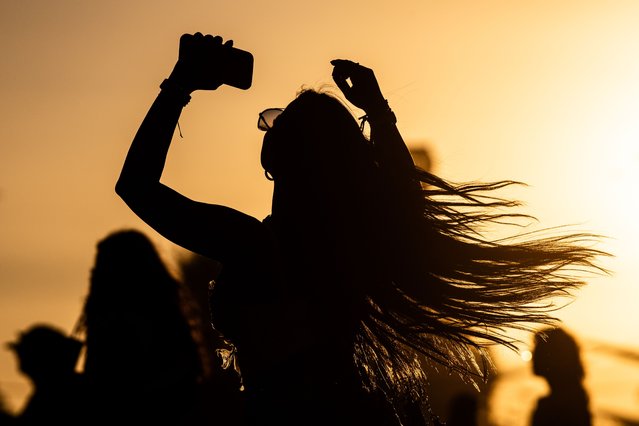
People attend the second day of the Lollapalooza Chile Music festival, in the commune of Cerrillos, Santiago, Chile, 22 March 2025. (Photo by Ailen Diaz/EPA)
Aerialists of the Hungarian troupe Vincze Tunde Production perform on the opening night of Strand Festival in Zamardi, Hungary, 20 August 2025. (Photo by Tamas Vasvari/EPA)
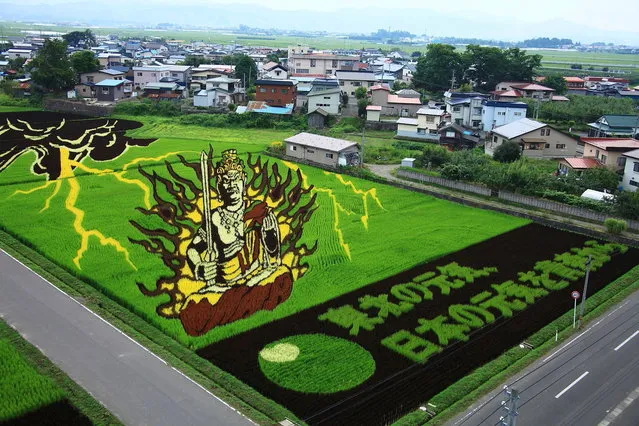
Tanbo Art is the strategic planting of four varieties of rice which have different colored leaves in order to create a giant image in the rice paddy. This type of aesthetic planting began in the Japanese village of Inakadate in 1993 in order to celebrate the village’s over 2000 year history of rice farming. The practice has spread to other rice cultivating communities in Japan and even other countries such as Thailand and South Korea.
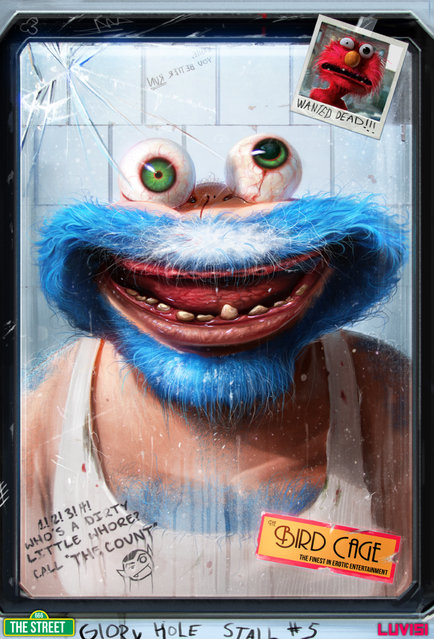
Dan Luvisi reimagines beloved animated characters and turns them into grimy, twisted, hideous personas that may have just scarred us of our fondest memories from childhood forever. Photo: “The Cook”. (Photo by Dan Luvisi)
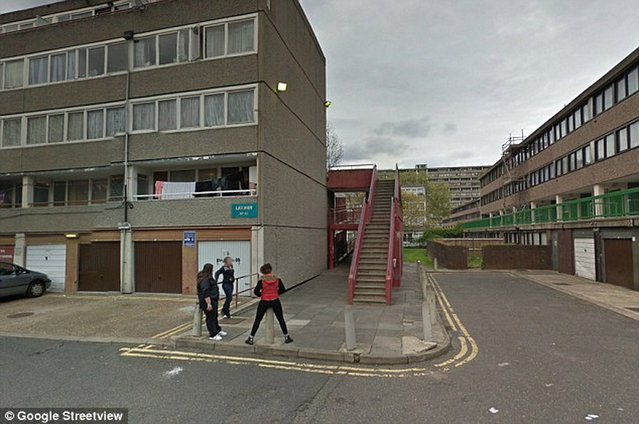
Take a walk on the wild side around some of the most down right dangerous places in the world - and all without leaving your desk, courtesy of Google Street View. Since 2007, Google's amazing technology has given people the chance to visit the Eiffel Tower, peer out over San Francisco's Golden Gate Bridge or walk along a beach in the Bahamas. But as well as mapping the tourist-friendly hotspots, Google also ventured into places you really wouldn't want to find yourself. Here is a collection of some the most notorious areas captured by the infamous roaming camera cars from around the UK and the world.
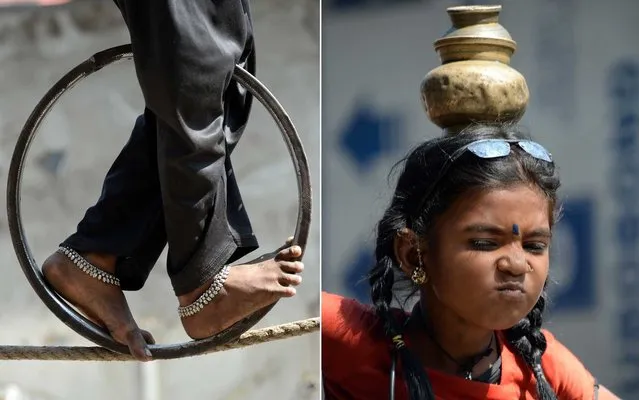
Nine year old girl Barsati reacts while walking on a tightrope in Mumbai on February 11, 2014. Barsati, and her younger brother Rajababu, (4) earn an average of around 2000 rupees (32 dollars) per day from pedestrians and tourists performing various acts on the tightrope near the city's iconic landmark Gateway of India. (Photo by Indranil Mukherjee/AFP Photo)