Loading...
Done
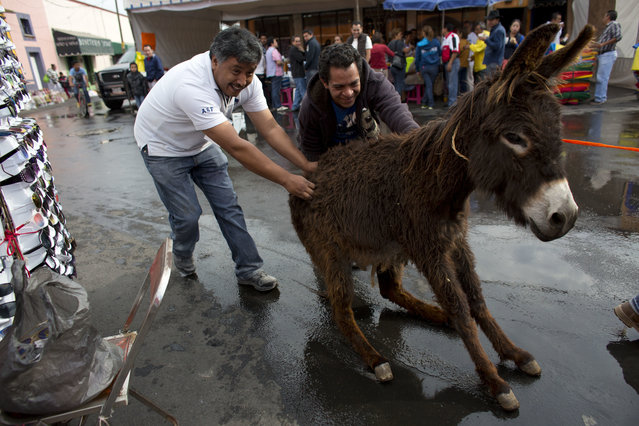
In this May 1, 2016 photo, a reluctant donkey is alternately pushed and pulled and enticed with carrots toward town hall in order to be dressed for the costume competition at the annual donkey festival in Otumba, Mexico state, Mexico. Otumba was an important donkey market during Spanish colonial times, standing at the crossroads of major roads leading to Mexico City, where the beasts pulled heavy loads and carried travelers. Today, however, farmers use tractors and pickup trucks, and the donkey population is in decline. (Photo by Rebecca Blackwell/AP Photo)

In this May 1, 2016 photo, a reluctant donkey is alternately pushed and pulled and enticed with carrots toward town hall in order to be dressed for the costume competition at the annual donkey festival in Otumba, Mexico state, Mexico. Otumba was an important donkey market during Spanish colonial times, standing at the crossroads of major roads leading to Mexico City, where the beasts pulled heavy loads and carried travelers. Today, however, farmers use tractors and pickup trucks, and the donkey population is in decline. (Photo by Rebecca Blackwell/AP Photo)
Details
04 May 2016 11:55:00
A woman is helped with adorning her hair with jewelry, part of the traditional clothing known as “Pollera”, before the annual Thousand Polleras parade in Las Tablas, in the province of Los Santos January 10, 2015. According to local residents, the Pollera dates back to the 18th century and was worn by the Spanish lower classes. (Photo by Carlos Jasso/Reuters)

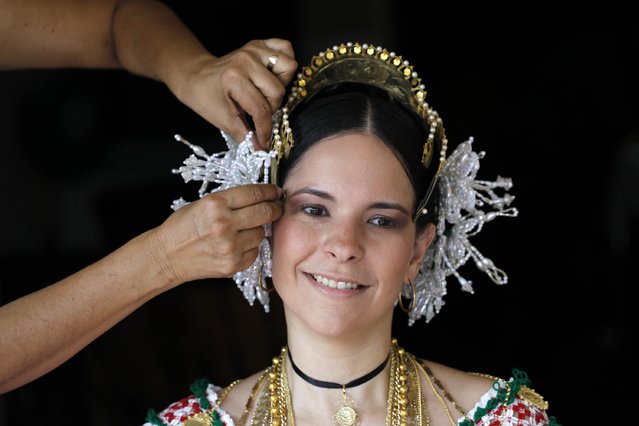
A woman is helped with adorning her hair with jewelry, part of the traditional clothing known as “Pollera”, before the annual Thousand Polleras parade in Las Tablas, in the province of Los Santos January 10, 2015. According to local residents, the Pollera dates back to the 18th century and was worn by the Spanish lower classes. Today, it has become the Panamanian national costume. The dress is made entirely by hand and the jewellery worn is pure gold and worth thousands of dollars. (Photo by Carlos Jasso/Reuters)
Details
12 Jan 2015 15:46:00
Frenchman Georges Speicher drinks as he starts riding down the Col de l'Aubisque during the 18th stage of the Tour de France between Tarbes and Pau. on July 17, 1933. Speicher finished second beaten by Spanish winner Learco Guerra to retain his overall leader's yellox jersey on his way to winning the Tour de France. (Photo by France Presse Voir/AFP Photo)

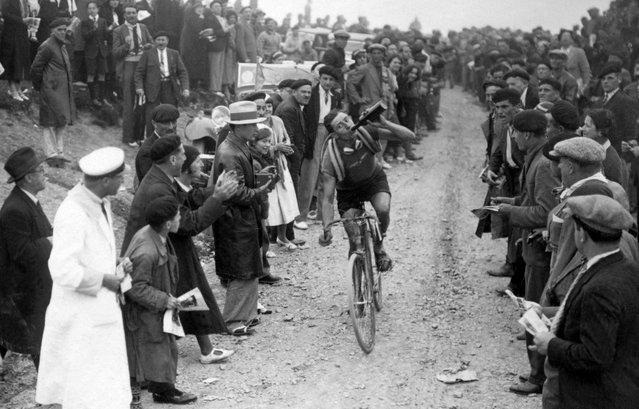
Frenchman Georges Speicher drinks as he starts riding down the Col de l'Aubisque during the 18th stage of the Tour de France between Tarbes and Pau. on July 17, 1933. Speicher finished second beaten by Spanish winner Learco Guerra to retain his overall leader's yellox jersey on his way to winning the Tour de France. (Photo by France Presse Voir/AFP Photo)
Details
18 Apr 2021 09:12:00
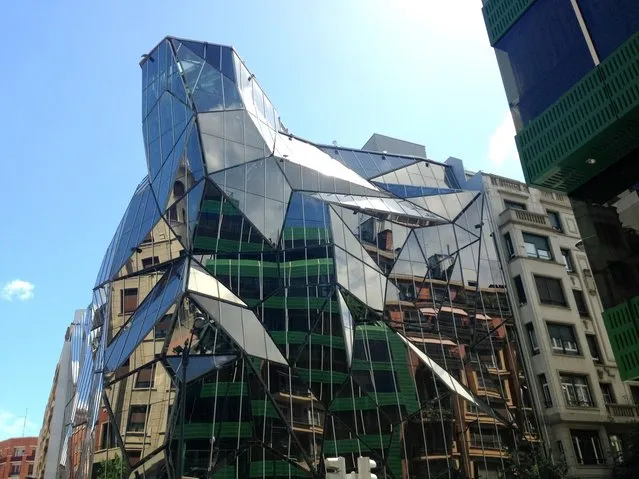
Basque Health Department Headquarters In Bilbao

The Spanish city of Bilbao, known architecturally for its Guggenheim, has a new(ish) architectural icon. Not that it’s replacing Ghery’s work, just another one.
Details
01 May 2014 11:38:00
Prince Philippe And Princess Letizia

Prince Philippe and Princess Letizia of Spain meet with Israeli president Shimon Peres at the presidential residence on April 11, 2011 in Jerusalem, Israel. The Spanish Royal couple is on their first official visit to Israel together. The Prince's parents, the King and Queen of Spain last visited in 1993.
Details
11 Apr 2011 11:49:00
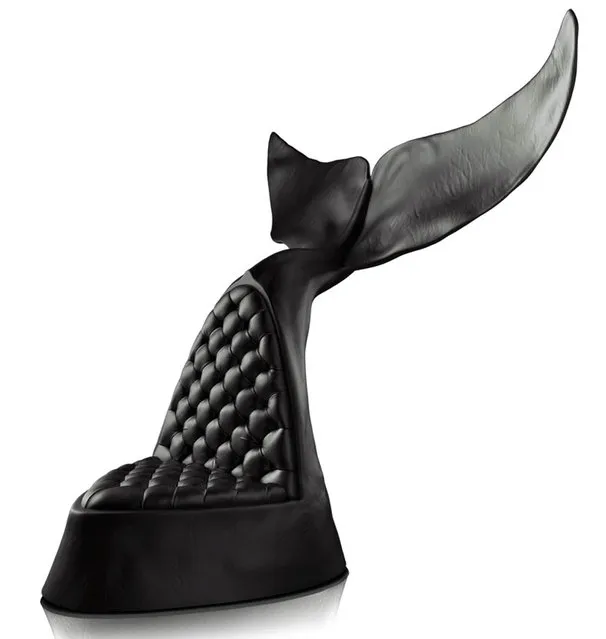
Animal Chair By Maximo Riera

Spanish artist Maximo Riera has produced a miniature series of his animal chair collection. The models are created entirely using nylon and a type of 3D printing called SLS (selective laser sintering).The process enables the small objects to achieve the best possible quality, resistance and lightest weight. based on the large-scale designs that combined animals and furniture into one item, the unconventional and peculiar compositions are still apparent in these latest versions.
Details
24 Jul 2014 06:44:00
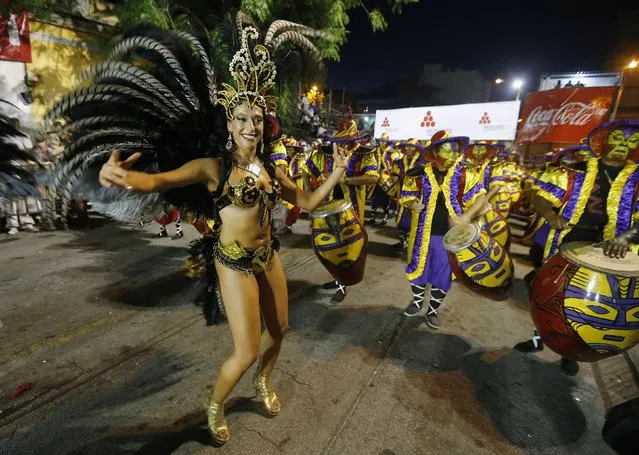
A member of a comparsa, a Uruguayan carnival group, dances during the Llamadas parade in Montevideo February 5, 2015. Thousands of people crowd the capital's Barrio Sur as costumed drummers and dancers kick off the street fiesta known as Llamadas which has traditional Afro-Uruguayan roots. The fiesta, also known in Spanish as “The Calls”, started during the colonial period as a slave parade on the city streets. (Photo by Andres Stapff/Reuters)

A member of a comparsa, a Uruguayan carnival group, dances during the Llamadas parade in Montevideo February 5, 2015. Thousands of people crowd the capital's Barrio Sur as costumed drummers and dancers kick off the street fiesta known as Llamadas which has traditional Afro-Uruguayan roots. The fiesta, also known in Spanish as “The Calls”, started during the colonial period as a slave parade on the city streets. (Photo by Andres Stapff/Reuters)
Details
08 Feb 2015 11:44:00
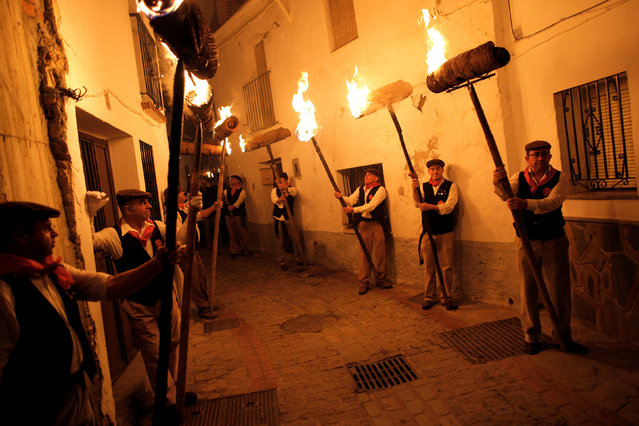
Villagers hold torches during the Divina Pastora procession, as part of a festival to honour the Virgin of Los Rondeles, in the southern Spanish village of Casarabonela, near Malaga, late December 12, 2016. Villagers celebrate the festival on the eve of St. Lucia's Day and hold torches during the procession to represent light and vision. St. Lucia is the patron saint of vision. (Photo by Jon Nazca/Reuters)

Villagers hold torches during the Divina Pastora procession, as part of a festival to honour the Virgin of Los Rondeles, in the southern Spanish village of Casarabonela, near Malaga, late December 12, 2016. Villagers celebrate the festival on the eve of St. Lucia's Day and hold torches during the procession to represent light and vision. St. Lucia is the patron saint of vision. (Photo by Jon Nazca/Reuters)
Details
15 Dec 2016 08:49:00