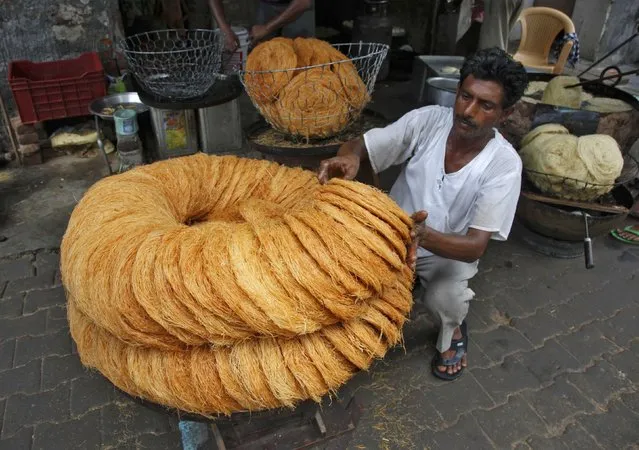
A man adjusts vermicelli, a specialty eaten during the Muslim fasting month of Ramadan, at a factory in Chandigarh, India, June 30, 2016. (Photo by Ajay Verma/Reuters)
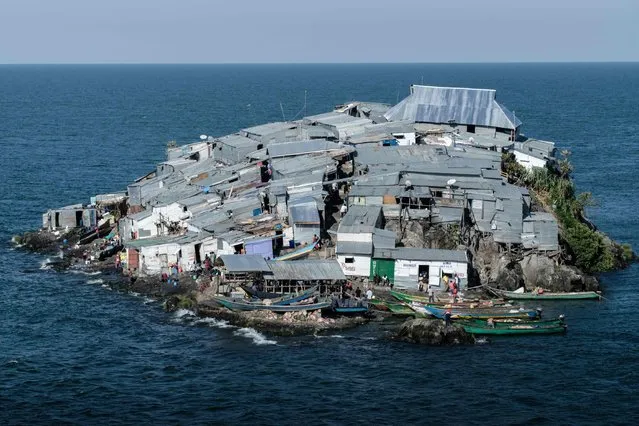
A picture taken on October 5, 2018, shows a general view of Migingo island which is densely populated by residents fishing mainly for Nile perch in Lake Victoria, the continent's largest lake, on the border of Uganda and Kenya. More than 500 people live on the island, which is barely 2,000-square-metres. (Photo by Yasuyoshi Chiba/AFP Photo)
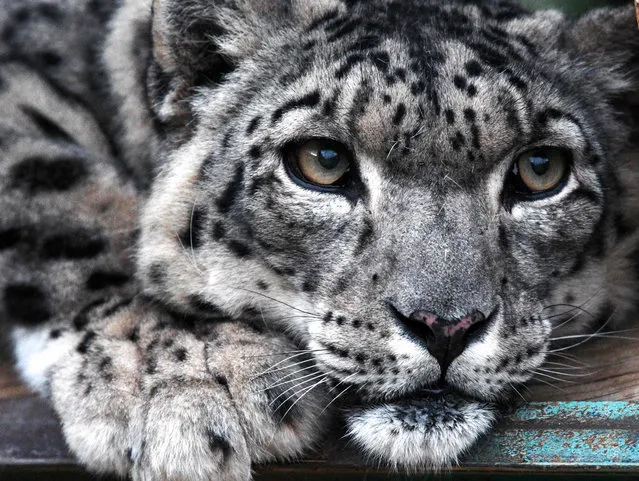
A picture taken on August 7, 2017 shows a Snow Leopard (Panthera uncia) at the NABU center (Nature and Biodiversity Conservation Union), a German organization that aims at reintroducing the panther and fighting against poaching, near the Issyk Kul lake, in the outskirts of Semenovka village, some 330 kilometers southeast of Bishkek, the capital of Kyrgyzstan. (Photo by Vyacheslav Oseledko/AFP Photo)
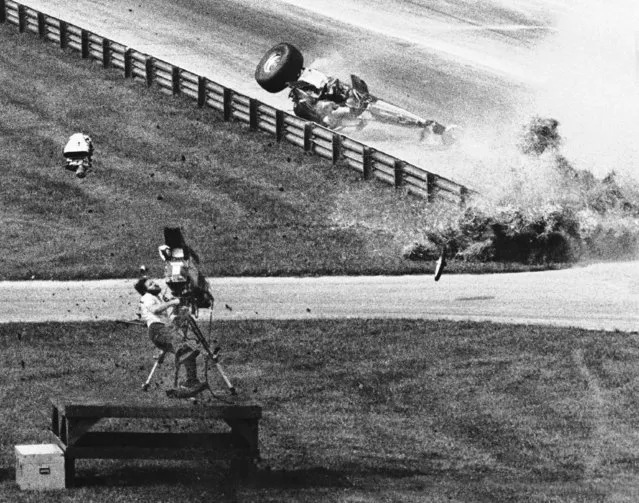
A dragster supercharger hits cameraman Joe Rooks of Bowling Green, Ohio, in the back at the U.S. Nationals N.H.R.A. drag races in Indianapolis, Indiana, on Saturday, September 1, 1979. Rooks was knocked flat by the heavy blower from a dragster that turned over and disintegrated near Rooks. Rooks died en route to the hospital. (Photo by Chuck Robinson/AP Photo)
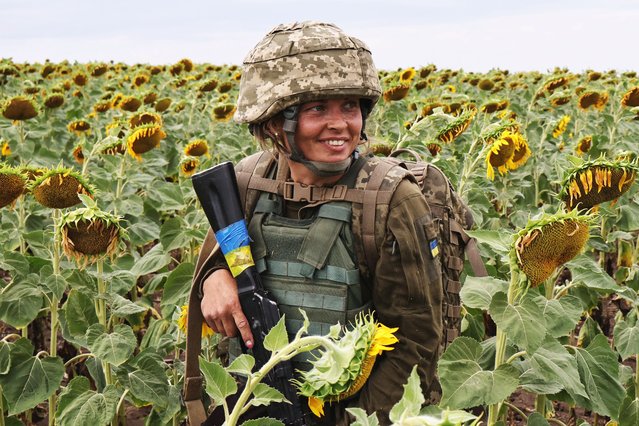
A servicewoman of the 65th Separate Mechanized Brigade of the Ukrainian Armed Forces attends a military drill near a frontline in Zaporizhzhia region, Ukraine on August 11, 2025. (Photo by Ukrainian Armed Forces via Reuters)
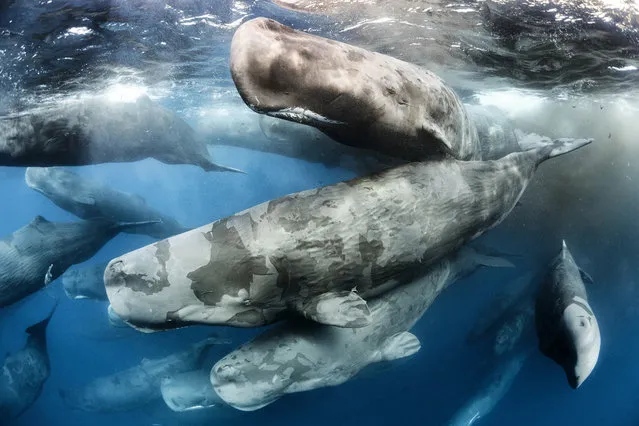
A new book published by the UK Natural History Museum showcases some of the most memorable underwater photographs taken over the last few decades in its annual wildlife photographer of the year competition. Here: Giant gathering by Tony Wu. “The first indication that something extraordinary was going on were the blows, huge numbers of them – the exhalations of huge numbers of whales. Entering the water, the photographer witnessed an extraordinary scene”. (Photo by Tony Wu/Unforgettable Underwater Photography/NHM)
Mothers-to-be show their belly paintings in Hefei, east China's Anhui province on May 8, 2020. (Photo by Rex Features/Shutterstock/China Stringer Network)
I know, this answer was a little too short, so let me explain in a little more detail.
Imagine tossing a coin. Normally, any normal coin toss has two possible outcomes - heads or tails - with each one having a 50% chance of happening. Ideally, that is, because factors like the force of your finger tossing the coin, gravity, the wind, the moon phase and a passing TARDIS can all influence the outcome of the toss - but I have deviated from the subject.