Cadets prepare to take part in a full dress rehearsal for the upcoming Republic Day parade, in Chennai on January 24, 2024. (Photo by R. Satish Babu/AFP Photo)
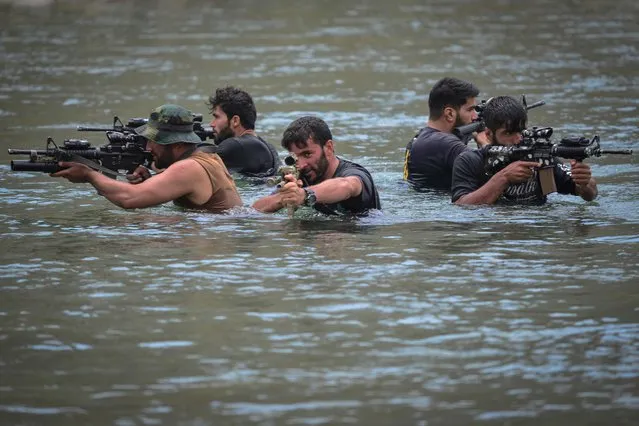
Afghan resistance movement and anti-Taliban uprising forces take part in a military training in Panjshir province on August 30, 2021. (Photo by Ahmad Sahel Arman/AFP Photo)
Students run out of their school celebrating their high school graduation at Nacka Gymnasium following the spread of the corona virus disease (COVID-19) in Stockholm, Sweden, June 3, 2020. (Photo by Jessica Gow/TT News Agency via Reuters)
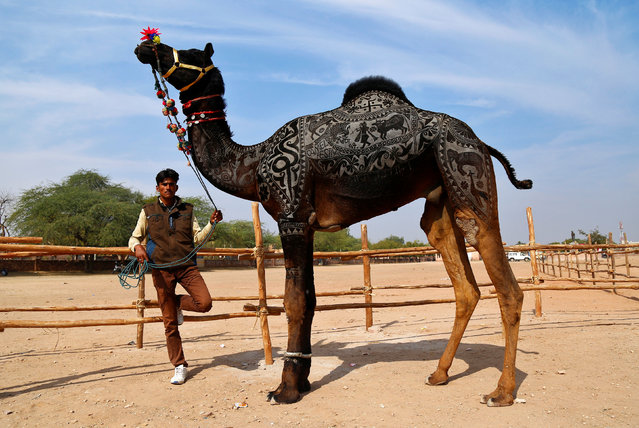
A man waits with his camel to take part in a camel decoration competition at the Nagaur Cattle Fair, where animals like camels, cows, horses, and bulls are brought to be sold or traded, in Nagaur, in the desert state of Rajasthan, India February 2, 2017. (Photo by Himanshu Sharma/Reuters)
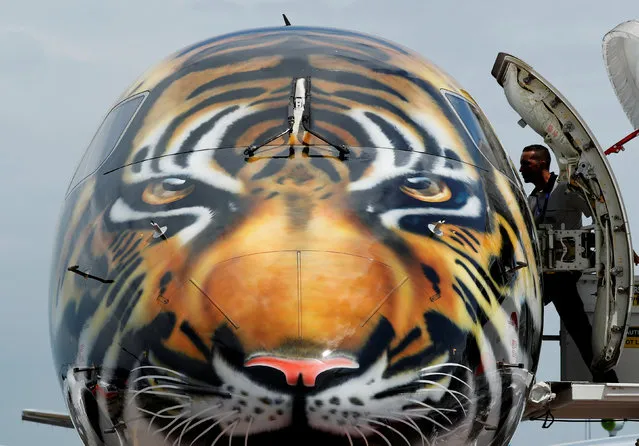
An Embraer E-190 E2 aircraft featuring a spray painted tiger's face on the nose of the aircraft is displayed during a media preview of the Singapore Airshow February 4, 2018. (Photo by Edgar Su/Reuters)
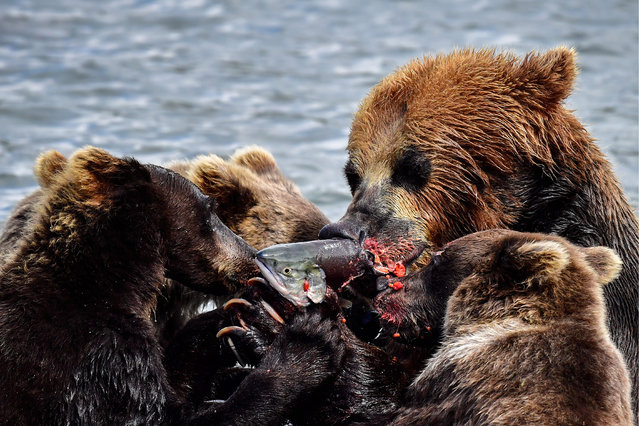
A female brown bear with cubs fishing on Lake Kronotskoye as part of the South Kamchatka, Russia on Sanctuary, August 13, 2017. (Photo by TASS/Barcroft Images)
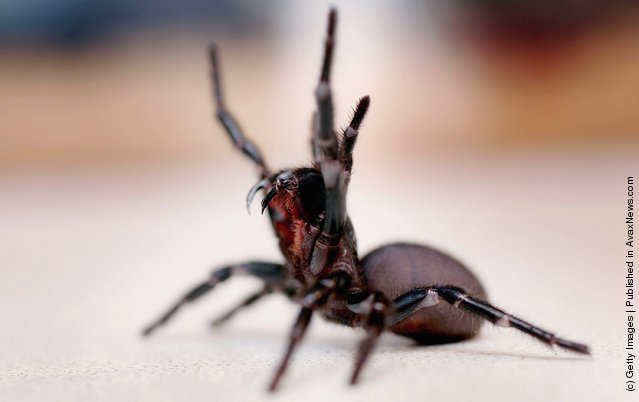
A Funnel Web spider is pictured at the Australian Reptile Park January 23, 2006 in Sydney, Australia. The Funnel Web is one of Australia's deadliest animals, with a venom that is packed with at least 40 different toxic proteins. A bite from a Funnel Web causes massive electrical over-load in the body's nervous system. Finally, fatalities occur from either heart attack or a pulmonary oedema, where the capillaries around the lungs begin to leak fluid and the patient effectively drowns. Death can come as quickly as two hours after a bite if no medical treatment is sought. Due to advances in anti-venom, there has been no death from a Funnel Web bite in Australia since 1980. Australia is home to some of the most deadly and poisonous animals on earth. (Photo by Ian Waldie/Getty Images)