Loading...
Done
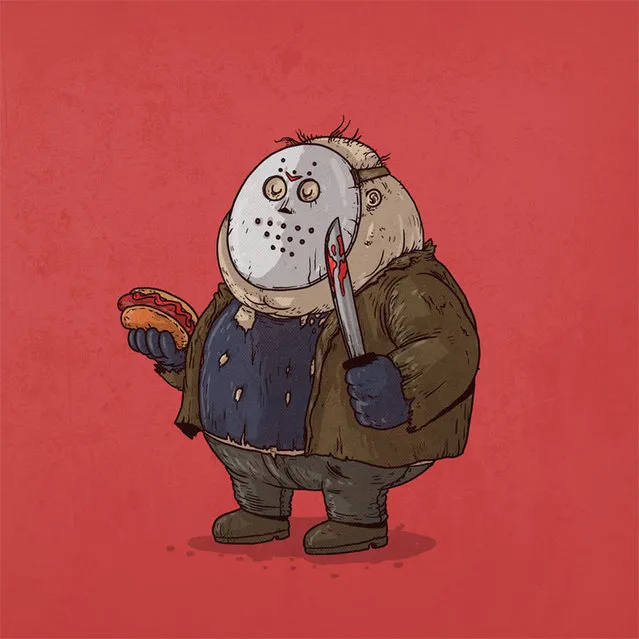
Fat Pop Culture Characters By Alex Solis Part 2

Chicago-based illustrator Alex Solis created fat versions of famous pop culture characters in this funny illustration series entitled “Famous Chunkies”.


See also: Part 1 _ Part 3 _ Part 4
Details
19 Jun 2014 11:54:00
Fat Pop Culture Characters By Alex Solis Part 4

Chicago-based illustrator Alex Solis created fat versions of famous pop culture characters in this funny illustration series entitled “Famous Chunkies”.

See also: Part 1 _ Part 2 _ Part 3
Details
28 Jun 2014 09:56:00
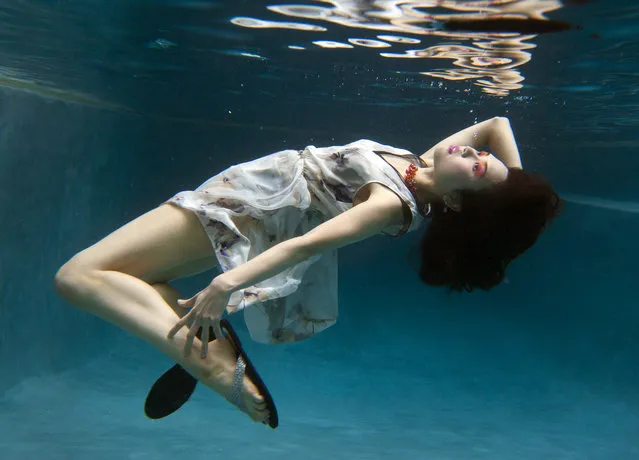
The Sun magazine's under water fashion shoot with resort style clothes, March 25, 2014. (Photo by Lloyd Fox/Sun Photographer)

The underwater fashion photos featured in the May 2014 Sun Magazine were taken by Sun photographer Lloyd Fox in a pool at the home of Mary Kay and Chuck Nabit. Styling was provided by Sun reporter John-John Williams IV, and the art director for the shoot was Sun design editor Leeann Adams. Photo: The Sun magazine's under water fashion shoot with resort style clothes, March 25, 2014. (Photo by Lloyd Fox/Sun Photographer)
Details
21 Jul 2014 11:24:00
Braless festival style of a music fan during the third day of Lollapalooza Brazil Festival at Interlagos Racetrack on March 25, 2018 in Sao Paulo, Brazil. (Photo by Mauricio Santana/Getty Images)

Braless festival style of a music fan during the third day of Lollapalooza Brazil Festival at Interlagos Racetrack on March 25, 2018 in Sao Paulo, Brazil. (Photo by Mauricio Santana/Getty Images)
Details
27 Mar 2018 08:16:00
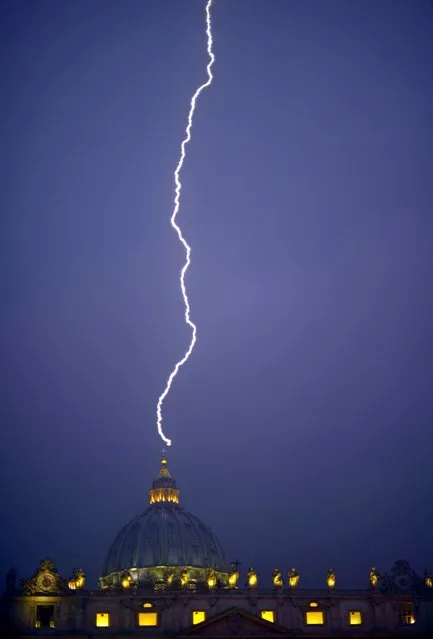
A lightning strikes St Peter's dome at the Vatican on February 11, 2013. Pope Benedict XVI announced today he will resign as leader of the world's 1.1 billion Catholics on February 28 because his age prevented him from carrying out his duties – an unprecedented move in the modern history of the Catholic Church. (Photo by Filippo Monteforte/AFP Photo)

A lightning strikes St Peter's dome at the Vatican on February 11, 2013. Pope Benedict XVI announced today he will resign as leader of the world's 1.1 billion Catholics on February 28 because his age prevented him from carrying out his duties – an unprecedented move in the modern history of the Catholic Church. (Photo by Filippo Monteforte/AFP Photo)
Details
12 Feb 2013 14:00:00
In this Thursday, May 8, 2014 photo, Iranian coal miners push metal carts to be loaded with coal at a mine near the city of Zirab 212 kilometers (132 miles) northeast of the capital Tehran, on a mountain in Mazandaran province, Iran. International sanctions linked to the decade-long dispute over Iran's nuclear program have hindered the import of heavy machinery and modern technology in all sectors, and coal mining is no exception. (Photo by Ebrahim Noroozi/AP Photo)


In this Thursday, May 8, 2014 photo, Iranian coal miners push metal carts to be loaded with coal at a mine near the city of Zirab 212 kilometers (132 miles) northeast of the capital Tehran, on a mountain in Mazandaran province, Iran. International sanctions linked to the decade-long dispute over Iran's nuclear program have hindered the import of heavy machinery and modern technology in all sectors, and coal mining is no exception. (Photo by Ebrahim Noroozi/AP Photo)
Details
28 Sep 2014 11:26:00
Magical Contamination By Antoine Bridier-Nahmias

Modern art is truly fascinating. Not in a way that it produces some novel things that will fascinate future generations for decades and even centuries to come. No, that is very far from the truth. On the contrary, modern art is essentially anything (yes, any little thing) that is a bit unusual and was created by a famous person. Let’s take the creation of Antoine Bridier-Nahmias for example. His brainchild is a set of pictures of petri dishes that were contaminated by various cultures of fungi. If this is art, I missed my chance of becoming famous when I accidentally left a piece of bread in a bag in a cupboard for about six months, and didn’t take a picture of the rather shocking results that awaited me when I finally discovered it. (Photo by Antoine Bridier-Nahmias)
Details
12 Dec 2014 13:03:00
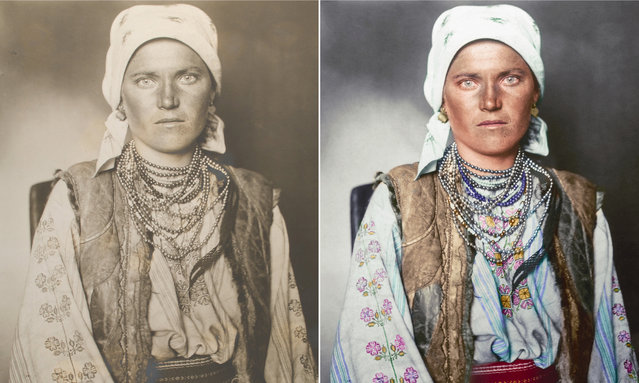
A Ruthenian woman circa 1906 from the region historically inhabiting the kingdom of the Rus, incorporating parts of modern-day Slavic speaking countries. Her outfit consists of a shirt and underskirt made from linen embroidered with traditional floral-based patterns. (Photo by Augustus Francis Sherman/New York Public Library/The Guardian)

Many of the 12 million people who entered the US through New York’s Ellis Island wore traditional dress from their homelands. Here: A Ruthenian woman circa 1906 from the region historically inhabiting the kingdom of the Rus, incorporating parts of modern-day Slavic speaking countries. Her outfit consists of a shirt and underskirt made from linen embroidered with traditional floral-based patterns. (Photo by Augustus Francis Sherman/New York Public Library/The Guardian)
Details
03 Oct 2016 09:15:00