Loading...
Done
Women wearing traditional hats, known as a non la, sell fruits in Hoi An, Vietnam April 4, 2016. (Photo by Jorge Silva/Reuters)

Women wearing traditional hats, known as a non la, sell fruits in Hoi An, Vietnam April 4, 2016. The non la hats are made of readily available materials such as palm leaves, tree bark and bamboo and are visible everywhere in the city, a UNESCO World Heritage site. Hoi An's history as a busy trading port is evident throughout its architecture, a mix of eras and styles, with traditional wooden Vietnamese houses, Chinese temples and French colonial buildings. (Photo by Jorge Silva/Reuters)
Details
11 May 2016 11:32:00
“This was taken on a safari in Kruger national park, South Africa. The scene was like something straight out of a storybook: a wild baboon, impala and elephant crossing the road together, all lined up neatly in a row”. (Photo by Will Clarke/The Guardian)

This month’s selection of travel imagery mixes quiet moments and superlative views. The overall 2018 prize is a West Greenland trip with Wild Photography Holidays. Here: “This was taken on a safari in Kruger national park, South Africa. The scene was like something straight out of a storybook: a wild baboon, impala and elephant crossing the road together, all lined up neatly in a row”. (Photo by Will Clarke/The Guardian)
Details
02 Aug 2018 00:05:00
(L-R) Senior Drum Major Betts of the Scotts Guard, Bugler Lee Kidd, Guardsman Adam Deer of the Coldstream Guards and Lance corporal Michael Strong of the Princess of Wales's Royal Regiment pose in their full ceremonial attire at Wellington Barracks

(L-R) Senior Drum Major Betts of the Scotts Guard, Bugler Lee Kidd, Guardsman Adam Deer of the Coldstream Guards and Lance corporal Michael Strong of the Princess of Wales's Royal Regiment pose in their full ceremonial attire at Wellington Barracks on March 21, 2012 in London, England. The group make up part of the ceremonial military personnel who will play a key role during Her Majesty the Queens Diamond Jubilee celebrations between June 2–5. (Photo by Dan Kitwood/Getty Images)
Details
23 Mar 2012 11:50:00
A Hawksbill sea turtle is seen swimming in Lady Elliot Island, Australia

“The Great Barrier Reef is one of the most important sea turtle habitats in the world, with Lady Elliot Island being a key part of that habitat. Every year between November and March the green and loggerhead turtles lumber up the same beach on which they were born more than 50 years ago. These turtles nest on Lady Elliot Island up to nine times in a season, laying between 80 and 120 eggs per clutch. About eight weeks later, young hatchlings leave their nests and head towards the ocean (January to April)”. – Wikipedia

Photo: A Hawksbill sea turtle is seen swimming on January 15, 2012 in Lady Elliot Island, Australia. (Photo by Mark Kolbe/Getty Images)
Details
02 Feb 2012 11:28:00
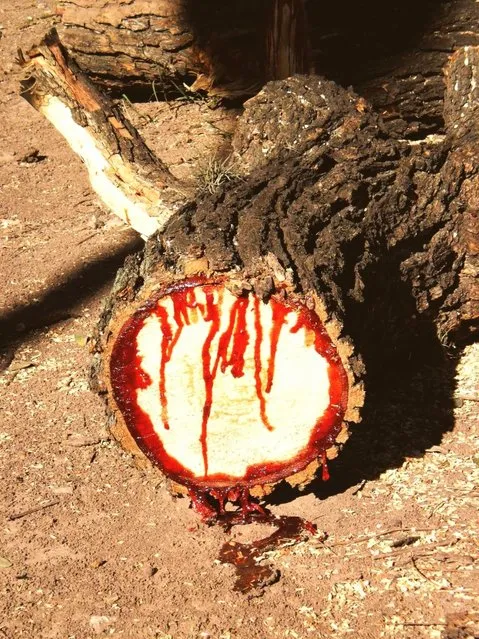
In a military base in the Thai province of Chon Buri February 20 U.S. Marines Navy with Thailand began their studies in jungle survival. The event is held in joint military exercises “Cobra Gold 2013”. During a jungle survival program February 20, 2013 taught by Royal Thai Special Forces in Sannapit, Thailand, U.S. Marines learned to catch cobras and drink their fresh blood, not to mention eat forest insects and pull the heads off of chicken. The training was part of Operation Cobra Gold 13, the 32nd edition of international military exercises hosted by the Thai. According to a U.S. Marines press release, Cobra Gold is the largest exercise of its kind in Asia and incorporates troops from five other nations in addition to the U.S. and Thailand. The Daily Mail reports that the Marines were invited to experience the local custom of drinking cobra blood after being taught to catch and kill cobras in the wild. As CNN notes, Cobra blood is believed to be a panacea and aphrodiasic in parts of Southeast Asia. In Jakarta, vendors can earn over $100 a night selling shots of cobra blood mixed with liquor. (Photo by Pornchai Kittiwongsakul/AFP Photo)

During a jungle survival program February 20, 2013 taught by Royal Thai Special Forces in Sannapit, Thailand, U.S. Marines learned to catch cobras and drink their fresh blood, not to mention eat forest insects and pull the heads off of chicken. The training was part of Operation Cobra Gold 13, the 32nd edition of international military exercises hosted by the Thai. According to a U.S. Marines press release, Cobra Gold is the largest exercise of its kind in Asia and incorporates troops from five other nations in addition to the U.S. and Thailand. The Daily Mail reports that the Marines were invited to experience the local custom of drinking cobra blood after being taught to catch and kill cobras in the wild. As CNN notes, Cobra blood is believed to be a panacea and aphrodiasic in parts of Southeast Asia. In Jakarta, vendors can earn over $100 a night selling shots of cobra blood mixed with liquor. (Photo by Pornchai Kittiwongsakul/AFP Photo)
Details
23 Feb 2013 11:52:00
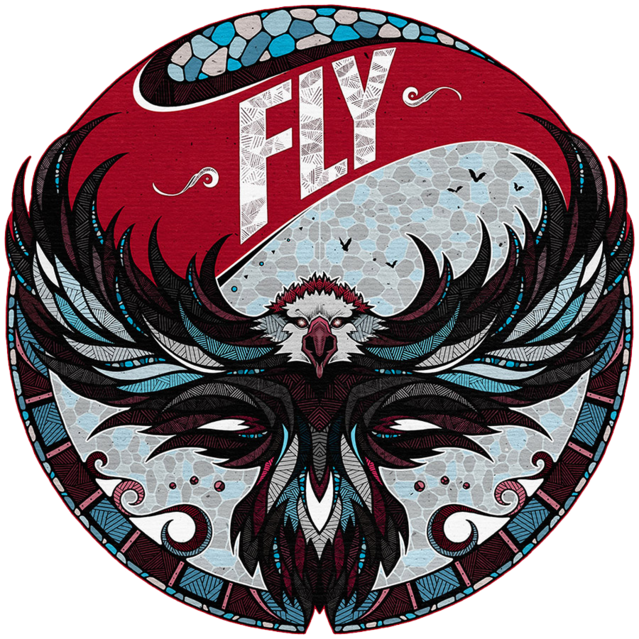
Art "Grow" by Andreas Prei

Andreas Preis is a Berlin-based German artist who studied communications design in Nuremberg.
Following an advertising internship with Springer & Jacoby he turned his attention toward freelance design and illustration. Andreas’ style mixes digital and traditional art, combining hand-drawings, cross-hatching, and color with digital media. In his latest project entitled Grow, Andreas Preis creates an incredible series of animal crests using his unique style to create these wonderful works of art.
Details
18 Aug 2013 12:05:00
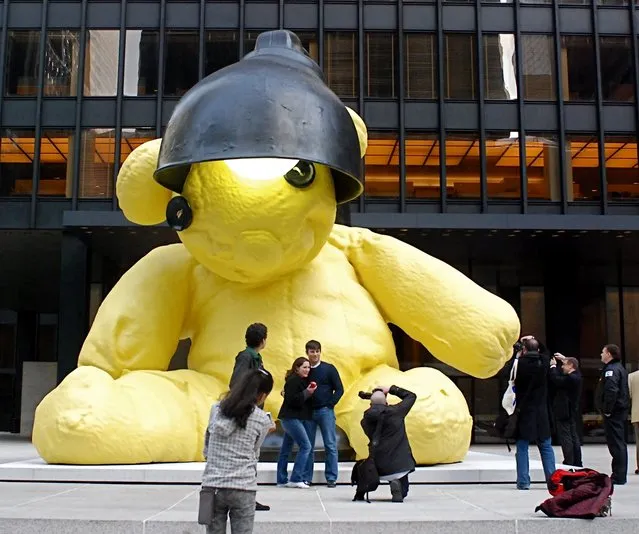
Giant Yellow Teddy Bear Sculpture By Urs Fischer

The giant yellow 20-ton bronze teddy bear has been set up by Christie's outside the Seagram Building along Park Avenue. Created by New York-based Swiss artist, Urs Fischer, the enormous sculpture that has received mixed reviews, is getting auctioned off at Christie's next month. The black button-eyed, 23-foot-tall yellow teddy bear is "Untitled (Lamp/Bear)."
Details
05 Apr 2014 12:14:00
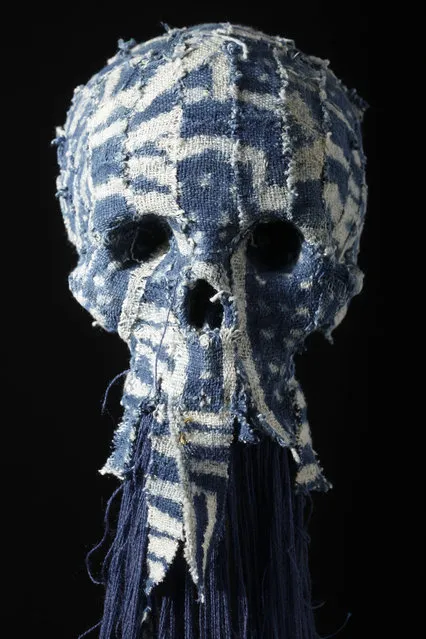
Skulls By Jim Skull

Inspired by personal experiences, a mix of cultures, rituals, and travelling the world, artist Jim Skull creates elaborate woven skull sculptures. He likes to be referred to as Jim Skull as a reflection of his interest in skulls; a symbol that he has been working with since the 1980s. He is currently living in France where he creates beautifully crafted sculptures out of rope, Papier-mâché, and other natural materials. He was born in New Caledonia and there’s no doubt that the influences of the tribal arts from Oceania, Africa, and North America are evident within his technique.
Details
11 Apr 2014 13:30:00