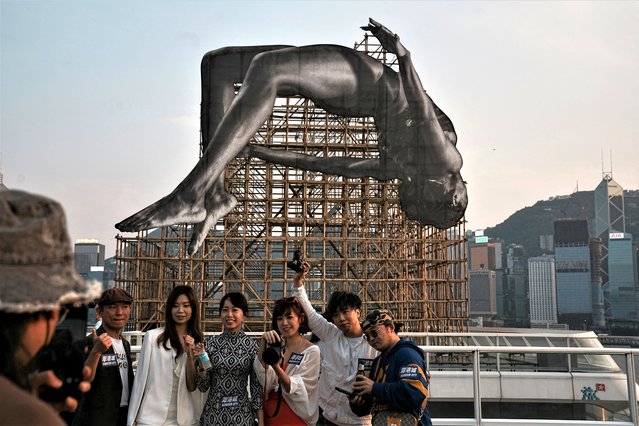
People take pictures with public art instalation titled “GIANTS: Rising Up” by the French artist JR, at Harbour City, Hong Kong, China on March 16, 2023. (Photo by Lam Yik/Reuters)
The London Cabaret Club on August 26, 2022 getting in the mood for Notting Hill carnival weekend will host to a Brazilian Fantasy Dance Company Festival ,with the colors and music of Carnival. (Photo by Paul Quezada-Neiman/Alamy Live News)
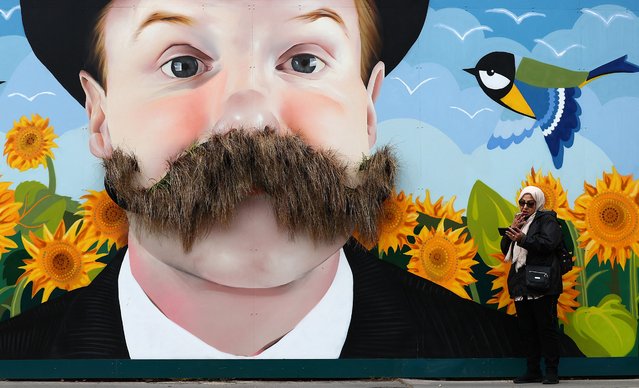
A pedestrian waits for a bus in front of a “Living Wall” art project, produced in collaboration with The National Portrait Galler and the Earls Court Development Company, in west London on May 26, 2022. (Photo by Adrian Dennis/AFP Photo)
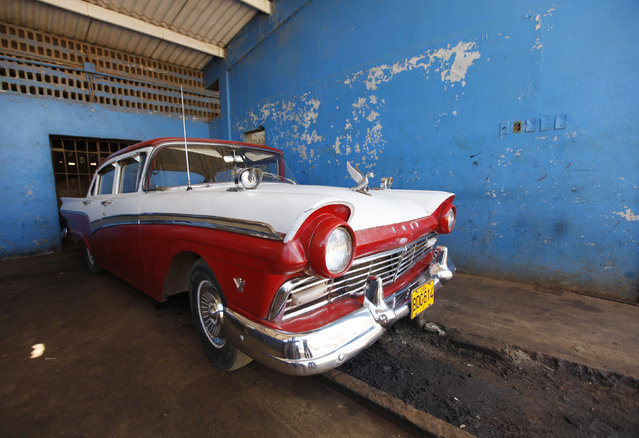
A Ford Motor Company 1954 V8 model car parked in a garage in the village of Quivican, south of Havana, October 11, 2009. (Photo by Desmond Boylan/Reuters)
An Orangutan named Elze walks in the Biopark of Rio during a media tour in Rio de Janeiro, Brazil, Thursday, March 18, 2021. The park was closed to the public for renovations to convert the city zoo into a center for biodiversity conservation and will reopen to the general public at the end of March. (Photo by Bruna Prado/AP Photo)
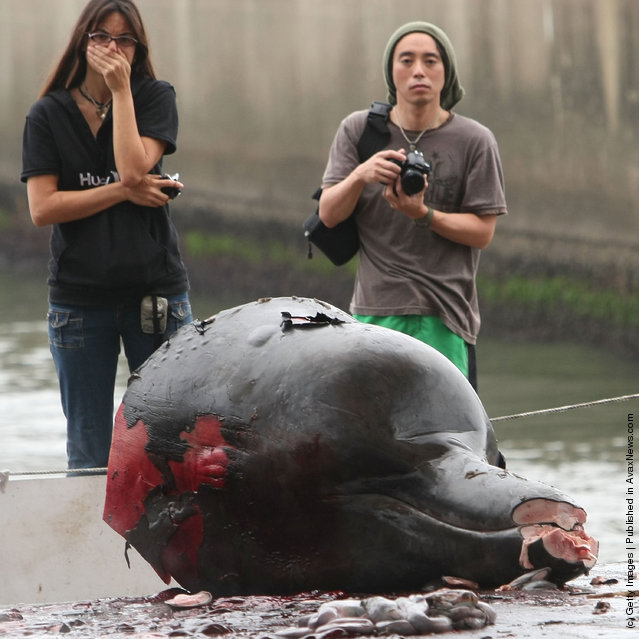
Fishermen slaughter a 9.61m Baird's Beaked whale at Wada Port on June 28, 2008 in Minami Boso, Chiba, Japan. Only five ports are allowed whaling under the coastal whaling program which tries to keep whaling tradition that dates back to the seventeenth century. Japan is only allowed to hunt a limited number of whales every year. (Photo by Koichi Kamoshida/Getty Images)
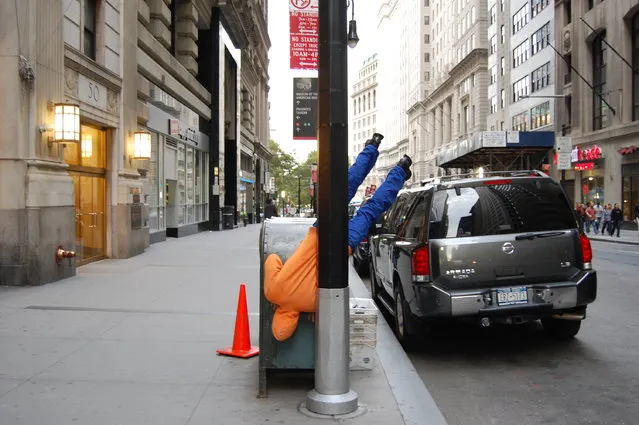
“Bodies in urban spaces” is a temporarily intervention in diversified urban architectonical environment. The intention of “bodies in urban spaces” is to point out the urban functional structure and to uncover the restricted movement possibilities and behavior as well as rules and limitations. Photo: “Bodies in Urban Spaces”, September 26, 2010. (Photos by Andrew Russeth)
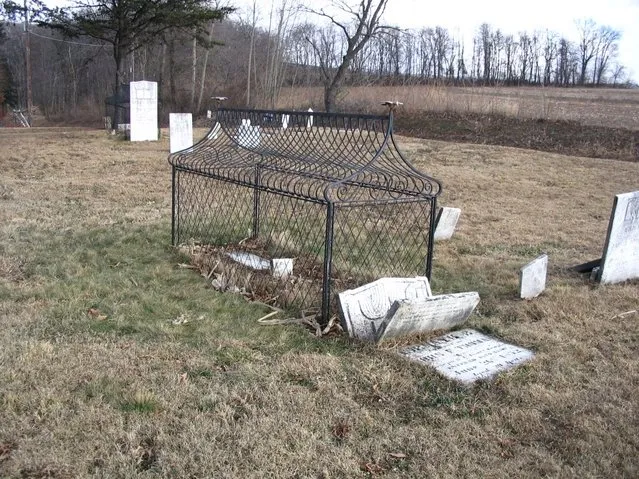
Mortsafes were contraptions designed to protect graves from disturbance. Resurrectionists had supplied the schools of anatomy in Scotland since the early 18th century. This was due to the necessity for medical students to learn anatomy by attending dissections of human subjects, which was frustrated by the very limited allowance of dead bodies – for example the corpses of executed criminals – granted by the government, which controlled the supply.