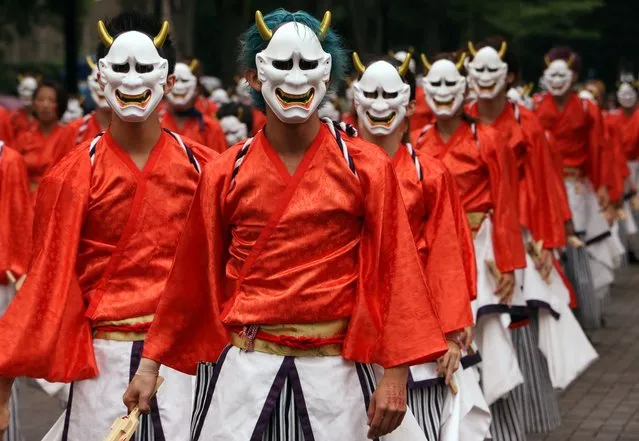
Dancers wearing masks and kimonos perform in the streets at the “Super Yosakoi 2015” dance festival in Tokyo on August 30, 2015. One hundred dance teams with some 5,500 people participated in the two-day summer festival event. (Photo by Yoshikazu Tsuno/AFP Photo)
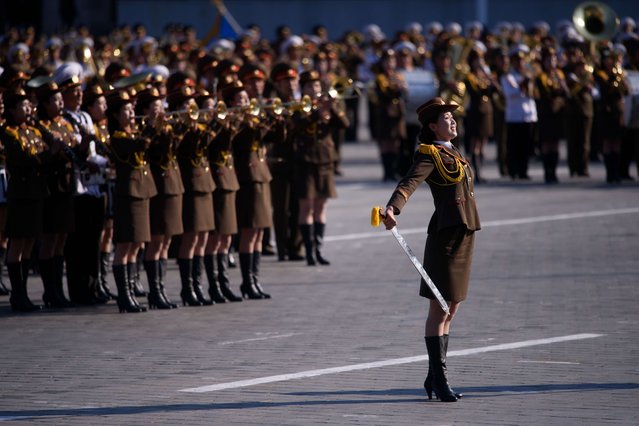
North Korean soldiers participate in a mass military parade at Kim Il-Sung square in Pyongyang on October 10, 2015. North Korea was marking the 70th anniversary of its ruling Workers' Party. (Photo by Ed Jones/AFP Photo)
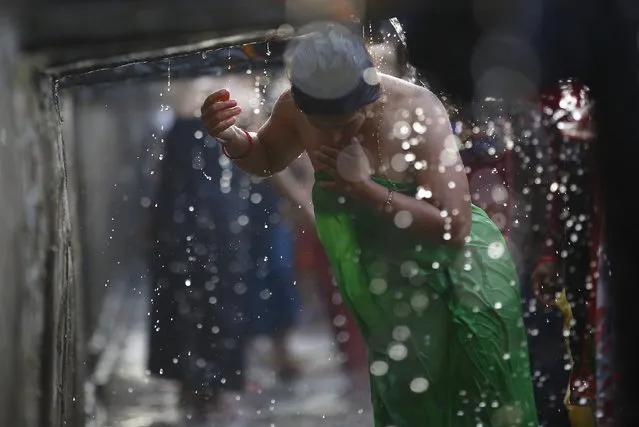
A devotee takes a holy bath at the Balaju Baise Dhara (22 water spouts) during the Baishak Asnan festival in Kathmandu April 4, 2015. Devotees believe that the water from these stone spouts, which is collected from the catchment area of the Nagarjun forest behind the spouts, will cure pains and skin diseases. (Photo by Navesh Chitrakar/Reuters)
I know, this answer was a little too short, so let me explain in a little more detail.
Imagine tossing a coin. Normally, any normal coin toss has two possible outcomes - heads or tails - with each one having a 50% chance of happening. Ideally, that is, because factors like the force of your finger tossing the coin, gravity, the wind, the moon phase and a passing TARDIS can all influence the outcome of the toss - but I have deviated from the subject.
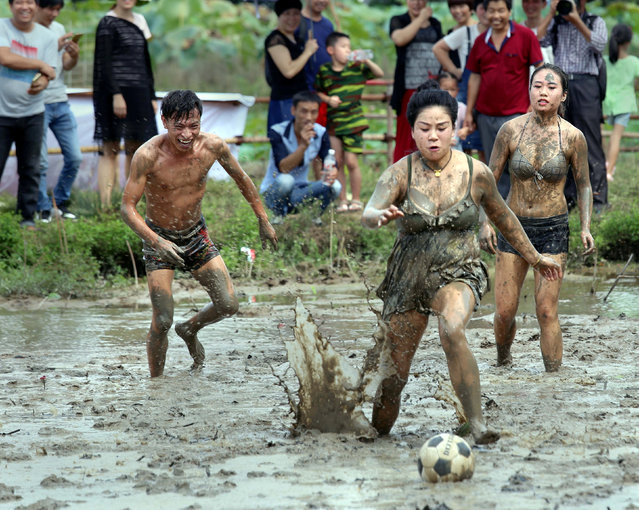
People fight for the ball as they take part in a mud football match during a festival for celebrating harvest in a village in Jinhua, Zhejiang Province, China September 24, 2017. (Photo by Reuters/China Stringer Network)
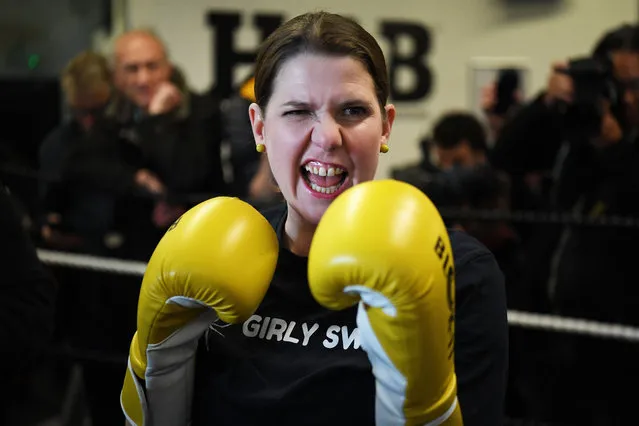
Jo Swinson, Leader of the Liberal Democrats takes part in some boxing practice as she campaigns at a boxing gym for young people on November 13, 2019 in London, England. The United Kingdom will hold a general election on December 12. (Photo by Leon Neal/Getty Images)
A Vietnamese woman, wearing the traditional “ao dai” long dress, poses for photos along peach blossom flowers ahead of the Vietnamese “Tet” (Lunar New Year festival), in a field in Hanoi, Vietnam, February 2, 2016. (Photo by Reuters/Kham)