Loading...
Done


Enya Kim from the Natural History department at auctioneers Bonhams & Butterfields stands in front of one of the world's largest set of shark jaws comprised of about 180 fossil teeth from the prehistoric species, Carcharocles megalodon, which grew to the size of a school bus, at the Venetian Resort Hotel Casino September 30, 2009 in Las Vegas, Nevada. (Photo by Ethan Miller/Getty Images)
Details
19 Apr 2011 10:05:00
This handout picture taken and released by the Borneo Orangutan Survival Foundation (BOSF) on October 26, 2015 shows baby orangutans, which had previously suffered from respiratory problems, playing at a nursery in the rehabilitation centre operated by the BOSF on the outskirts of Palangkaraya in Central Kalimantan. (Photo by AFP Photo/Borneo Orangutan Survival Foundation/Indrayana)

This handout picture taken and released by the Borneo Orangutan Survival Foundation (BOSF) on October 26, 2015 shows baby orangutans, which had previously suffered from respiratory problems, playing at a nursery in the rehabilitation centre operated by the BOSF on the outskirts of Palangkaraya in Central Kalimantan. Endangered orangutans are falling victim to a devastating haze crisis that has left them sick, malnourished and severely traumatised as fires rage through Indonesia's forests, reducing their habitat to a charred wasteland. (Photo by AFP Photo/Borneo Orangutan Survival Foundation/Indrayana)
Details
02 Nov 2015 08:05:00
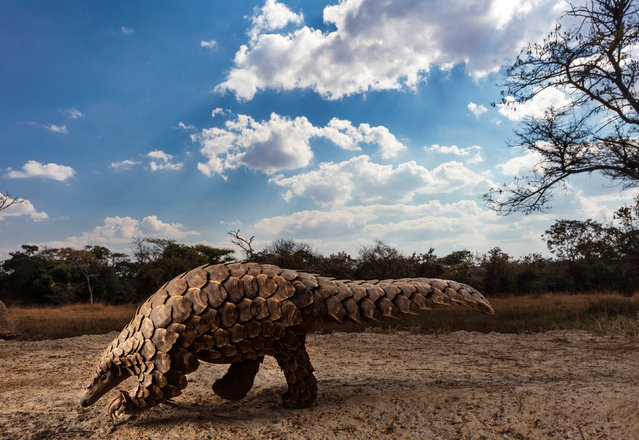
Pangolins in Crisis: Brent Stirton, South Africa; 1st place, Natural world and wildlife. “Pangolins are the world’s most illegally trafficked mammals, with an estimated one million trafficked to Asia in the last 10 years. Their scales are used in traditional Chinese and Vietnamese medicine, and their meat is sold as a high-priced delicacy. As a result, pangolins are listed as critically endangered and anyone who trades or consumes them is breaking the law. This body of work exposes the trade, while exploring aspects of illegality and celebrating the people who are trying to save these animals”. (Photo by Brent Stirton/Sony World Photography Awards 2020)

Pangolins in Crisis: Brent Stirton, South Africa; 1st place, Natural world and wildlife. “Pangolins are the world’s most illegally trafficked mammals, with an estimated one million trafficked to Asia in the last 10 years. Their scales are used in traditional Chinese and Vietnamese medicine, and their meat is sold as a high-priced delicacy. As a result, pangolins are listed as critically endangered and anyone who trades or consumes them is breaking the law. This body of work exposes the trade, while exploring aspects of illegality and celebrating the people who are trying to save these animals”. (Photo by Brent Stirton/Sony World Photography Awards 2020)
Details
11 Jun 2020 00:05:00
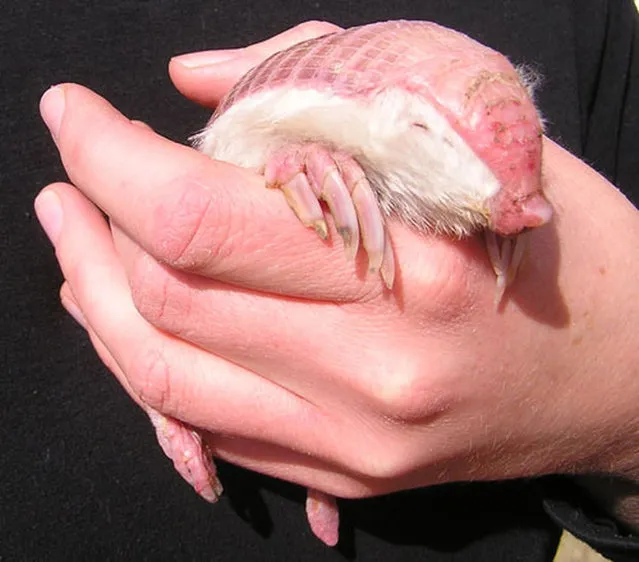
Pink Fairy Armadillo

The pink fairy armadillo (Chlamyphorus truncatus) or pichiciego is the smallest species of armadillo (mammals of the family Dasypodidae, mostly known for having a bony armor shell). It is found in central Argentina, where it inhabits dry grasslands and sandy plains with thorn bushes and cacti.The pink fairy armadillo is approximately 90–115 mm (3.5-4.5 inches) long, excluding the tail, and is pale rose or pink in color. It has the ability to bury itself completely in a matter of seconds if frightened.
Details
16 Jan 2014 10:35:00
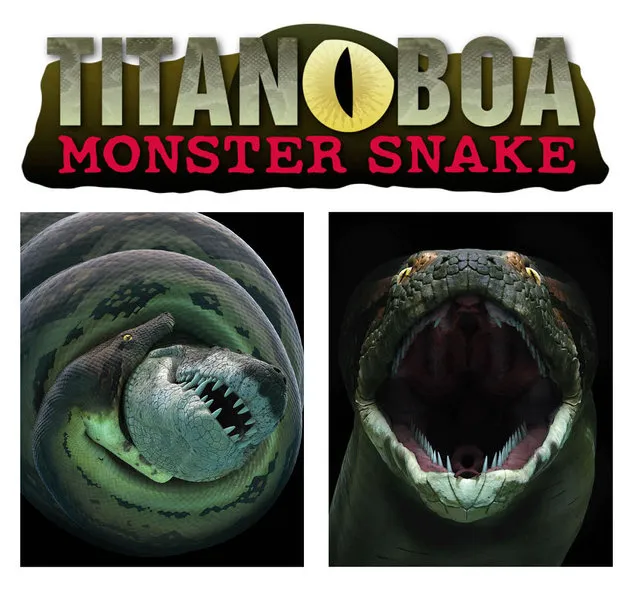
Titanoboa: Monster Snake

Titanoboa, meaning "titanic boa," is an extinct genus of snake that lived approximately 60–58 million years ago, during the Paleocene epoch, a 10-million-year period immediately following the dinosaur extinction event. The only known species is Titanoboa cerrejonensis, the largest, longest, and heaviest snake ever discovered, which supplanted the previous record holder, Gigantophis.

A full-scale model of the snake was unveiled at New York City's Grand Central station before the exhibit opens at the Smithsonian in Washington DC.
Details
06 Feb 2014 12:38:00


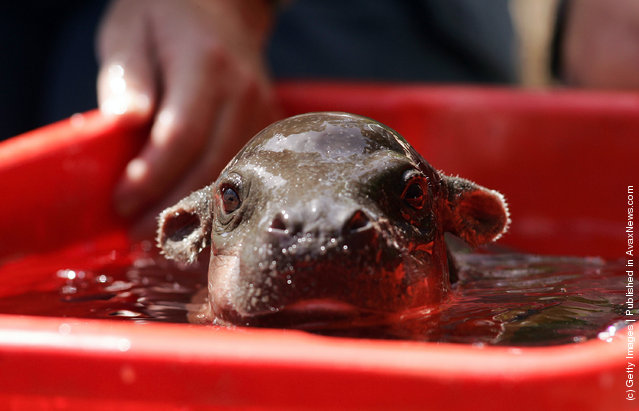
“The pygmy hippopotamus (Choeropsis liberiensis or Hexaprotodon liberiensis) is a large mammal native to the forests and swamps of western Africa (the specific name liberiensis means “of Liberia”, as this is where the vast majority live). The pygmy hippo is reclusive and nocturnal. It is one of only two extant species in the Hippopotamidae family, the other being its much larger cousin the common hippopotamus”. – Wikipedia

Photo: Monifa, a one month old baby Pygmy Hippopotamus takes a morning bath at Taronga Zoo on November 7, 2008 in Sydney, Australia. Monifa is the first Pygmy Hippopotamus to be born at Taronga Zoo in the past twenty three years. (Photo by Sergio Dionisio/Getty Images)
Details
11 Apr 2011 08:11:00
Baby Fennec Fox

“The fennec fox is a small nocturnal fox found in the Sahara of North Africa. Its most distinctive feature is unusually large ears. The name “fennec” comes from the Arabic word for fox, and the species name zerda has a Greek origin that refers to its habitat. The fennec is the smallest species of canid in the world; coat, ears and kidney functions have adapted to a high-temperature, low-water, desert environment. In addition, its hearing is sensitive enough to hear prey moving underground”. – Wikipedia

Photo: A Baby Fennec is seen at Sunshine International Aquarium on June 24, 2009 in Tokyo, Japan. The small nocturnal fox babies were born on May 17 2009. (Photo by Junko Kimura/Getty Images)
Details
16 Sep 2011 12:02:00
Cuban crocodiles (Crocodylus rhombifer), are seen in a hatchery at Zapata Swamp National Park, June 4, 2015. Ten baby crocodiles have been delivered to a Cuban hatchery in hopes of strengthening the species and extending the bloodlines of a pair of Cuban crocodiles that former President Fidel Castro had given to a Soviet cosmonaut as a gift in the 1970s. Picture taken June 4, 2015. REUTERS/Alexandre Meneghini

Cuban crocodiles (Crocodylus rhombifer), are seen in a hatchery at Zapata Swamp National Park, June 4, 2015. Ten baby crocodiles have been delivered to a Cuban hatchery in hopes of strengthening the species and extending the bloodlines of a pair of Cuban crocodiles that former President Fidel Castro had given to a Soviet cosmonaut as a gift in the 1970s. Picture taken June 4, 2015. REUTERS/Alexandre Meneghini
Details
15 Jun 2015 12:34:00