Loading...
Done
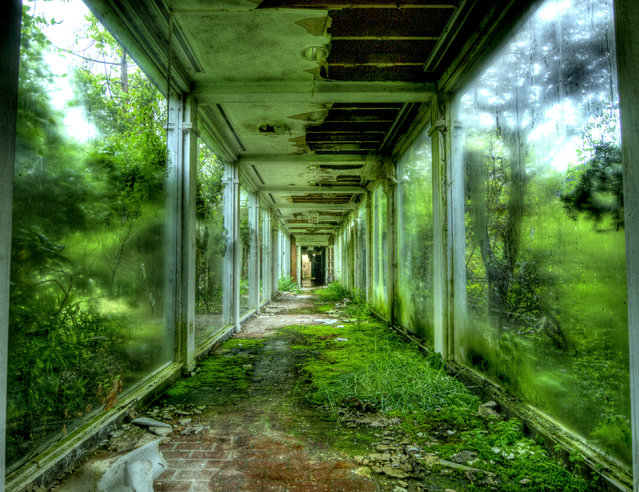
A glass-walled corridor at Cleveland's abandoned aquarium in Ohio. (Photo by Jonny Joo/Barcroft Media)

Jonny Joo, 23, visits derelict malls, stations, towers and other places because they remind him of Silent Hill – a psychological horror video game which was made into a film. “When I first started exploring places, so many would remind me of the game. It was a world I was kind of obsessed with because of how dark and eerie it looked”, Joo said. His book, titled “Empty Spaces”, will feature 116 images and is being released this week. Photo: A glass-walled corridor at Cleveland's abandoned aquarium in Ohio. (Photo by Jonny Joo/Barcroft Media)
Details
25 Apr 2014 10:18:00
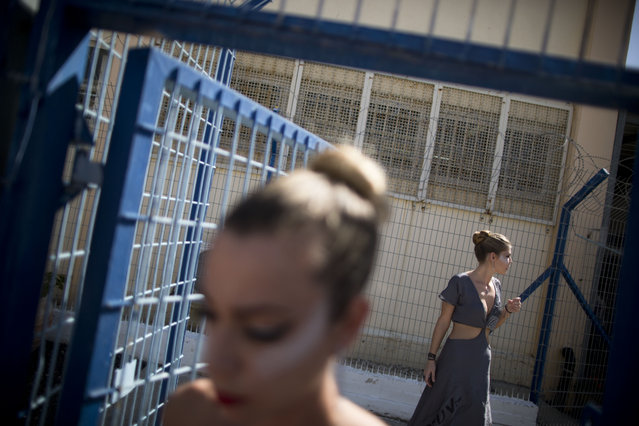
In this Monday, October 27, 2014 photo, models wait to walk a runway before a show in Neve Tirza prison in Ramle, central Israel. (Photo by Oded Balilty/AP Photo)

In this Monday, October 27, 2014 photo, models wait to walk a runway before a show in Neve Tirza prison in Ramle, central Israel. Neve Tirza, Israel's only women's prison, hosted its first fashion show Monday where models on towering heels strutted on a red catwalk, showcasing clothes designed and made by inmates. (Photo by Oded Balilty/AP Photo)
Details
31 Oct 2014 12:22:00
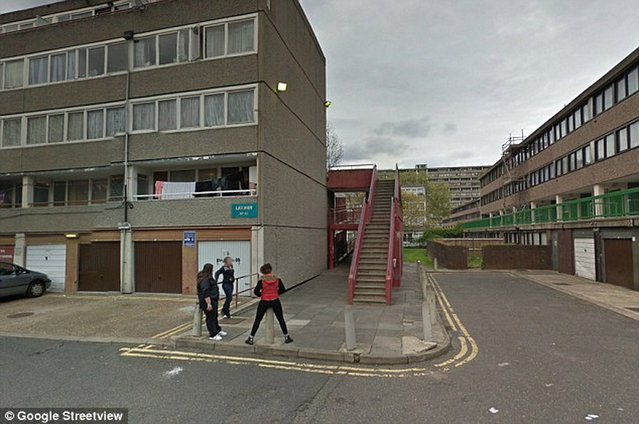
Bad Part of Town By Google Street View

Take a walk on the wild side around some of the most down right dangerous places in the world - and all without leaving your desk, courtesy of Google Street View. Since 2007, Google's amazing technology has given people the chance to visit the Eiffel Tower, peer out over San Francisco's Golden Gate Bridge or walk along a beach in the Bahamas. But as well as mapping the tourist-friendly hotspots, Google also ventured into places you really wouldn't want to find yourself. Here is a collection of some the most notorious areas captured by the infamous roaming camera cars from around the UK and the world.
Details
03 Oct 2013 11:05:00
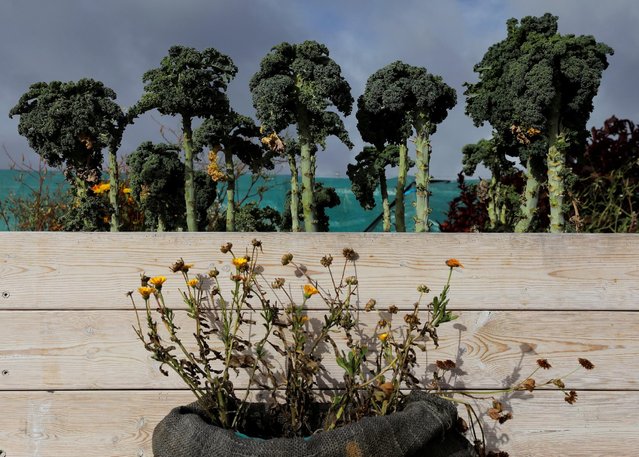
Kale grows at Kajodlingen farm in Gothenburg, Sweden, September 28, 2016. (Photo by Maxim Shemetov/Reuters)

Kale grows at Kajodlingen farm in Gothenburg, Sweden, September 28, 2016. They are doing it on the rooftops, on tower block balconies and even on a disused railway: Swedes have discovered a passion for urban gardening as a way of growing fresh food and getting back in touch with nature. Part of a global movement, an increasing number of Swedish city-dwellers are growing their own in window boxes and allotments or are visiting public gardens built in or on industrial or office spaces. (Photo by Maxim Shemetov/Reuters)
Details
11 Nov 2016 07:58:00
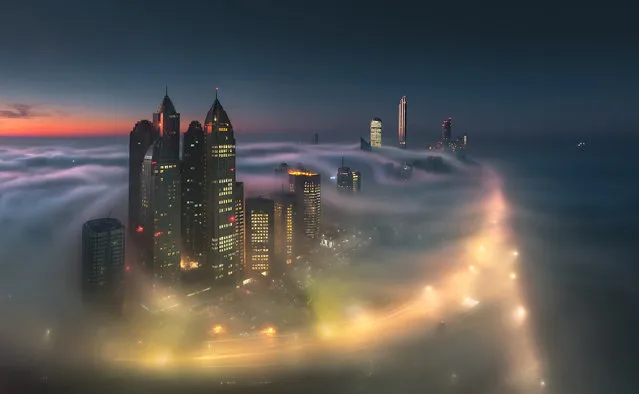
Night view of Abu Dhabi. (Photo by Khalid Alhammadi/Caters News Agency)

Photographer Khalid Alhammadi really has got his head in the clouds as he scales some of the Middle East’s tallest buildings to photograph iconic landmarks high above the rising mist. Khalid’s breathtaking shots over Abu Dhabi look almost otherworldly, with skyscraper tips and mosque towers poking through the eerie fog. Here: Night view of Abu Dhabi. (Photo by Khalid Alhammadi/Caters News Agency)
Details
13 Mar 2018 00:03:00
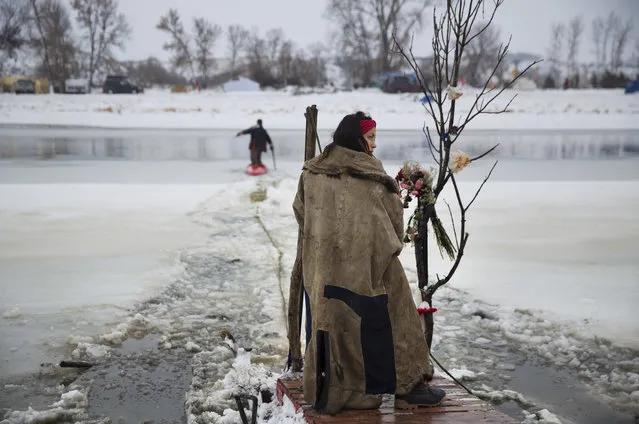
In this Thursday, December 1, 2016 photo, Cat Bigney, part of the Oglala Native American tribe, waits on the shore of the Cannonball river for travelers to arrive by canoe at the Oceti Sakowin camp where people have gathered to protest the Dakota Access oil pipeline in Cannon Ball, N.D. So far, those at the camp have shrugged off the heavy snow, icy winds and frigid temperatures. But if they defy next week's government deadline to abandon the camp, demonstrators know the real deep freeze lies ahead. Life-threatening wind chills and towering snow drifts could mean the greatest challenge is simple survival. (Photo by David Goldman/AP Photo)

In this Thursday, December 1, 2016 photo, Cat Bigney, part of the Oglala Native American tribe, waits on the shore of the Cannonball river for travelers to arrive by canoe at the Oceti Sakowin camp where people have gathered to protest the Dakota Access oil pipeline in Cannon Ball, N.D. So far, those at the camp have shrugged off the heavy snow, icy winds and frigid temperatures. But if they defy next week's government deadline to abandon the camp, demonstrators know the real deep freeze lies ahead. Life-threatening wind chills and towering snow drifts could mean the greatest challenge is simple survival. (Photo by David Goldman/AP Photo)
Details
06 Dec 2016 10:22:00
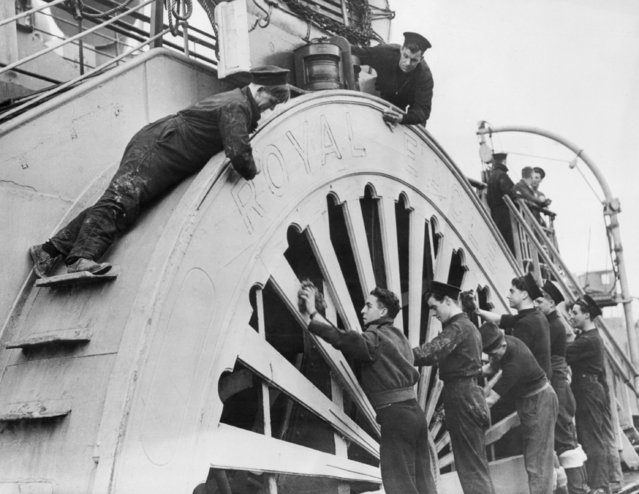
One of the largest paddle steamers afloat in Britain is the H.M.S. Royal Eagle, former peacetime excursion boat which carried passengers on pleasure jaunts from Tower Bridge to Southend, Ramscate and Margate. Commissioned two years ago as a warship of the Royal Navy, the craft has been in action 52 times against enemy aircraft. The Eagle took part in the evacuation from Dunkirk where she was dive-bombed 48 times and brought home nearly 3,000 British troops. Members of the crew cleaning the paddle boxes of H.M.S. Royal Eagle in London on January 18, 1943. (Photo by AP Photo)

One of the largest paddle steamers afloat in Britain is the H.M.S. Royal Eagle, former peacetime excursion boat which carried passengers on pleasure jaunts from Tower Bridge to Southend, Ramscate and Margate. Commissioned two years ago as a warship of the Royal Navy, the craft has been in action 52 times against enemy aircraft. The Eagle took part in the evacuation from Dunkirk where she was dive-bombed 48 times and brought home nearly 3,000 British troops. Members of the crew cleaning the paddle boxes of H.M.S. Royal Eagle in London on January 18, 1943. (Photo by AP Photo)
Details
21 Apr 2018 00:05:00
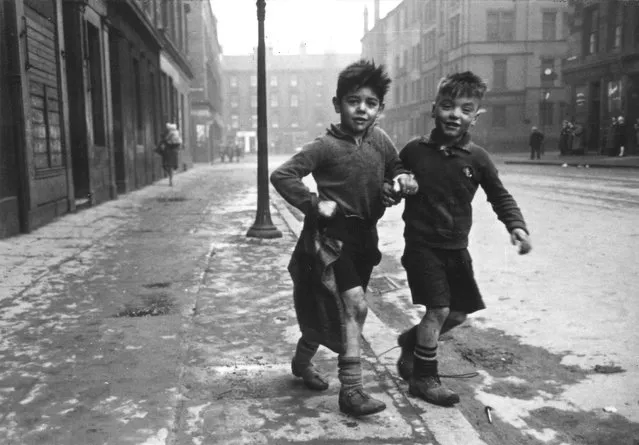
Two boys in the Gorbals area of Glasgow, UK on January 31, 1948. The Gorbals tenements were built quickly and cheaply in the 1840s, providing housing for Glasgow's burgeoning population of industrial workers. Conditions were appalling; overcrowding was standard and sewage and water facilities inadequate. The tenements housed about 40,000 people with up to eight family members sharing a single room, 30 residents sharing a toilet and 40 sharing a tap. By the time this photograph was taken 850 tenements had been demolished since 1920. Redevelopment of the area began in the late 1950s and the tenements were replaced with a modern tower block complex in the sixties. (Photo by Bert Hardy/Getty Images)

Two boys in the Gorbals area of Glasgow, UK on January 31, 1948. The Gorbals tenements were built quickly and cheaply in the 1840s, providing housing for Glasgow's burgeoning population of industrial workers. Conditions were appalling; overcrowding was standard and sewage and water facilities inadequate. The tenements housed about 40,000 people with up to eight family members sharing a single room, 30 residents sharing a toilet and 40 sharing a tap. By the time this photograph was taken 850 tenements had been demolished since 1920. Redevelopment of the area began in the late 1950s and the tenements were replaced with a modern tower block complex in the sixties. (Photo by Bert Hardy/Getty Images)
Details
09 Mar 2017 00:03:00