Loading...
Done
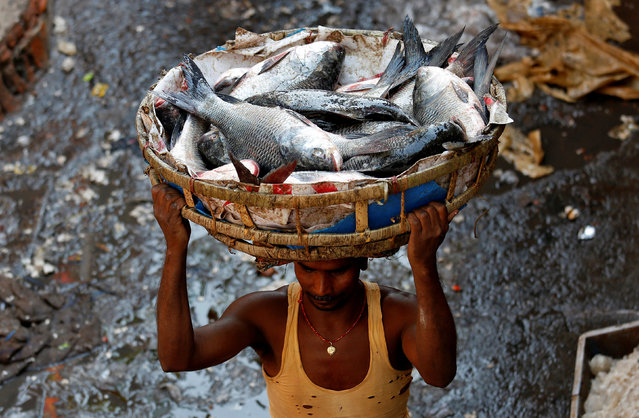
A worker carries a basket of fish, at a wholesale fish market, on the outskirts of Kolkata, March 15, 2017. (Photo by Rupak De Chowdhuri/Reuters)

A worker carries a basket of fish, at a wholesale fish market, on the outskirts of Kolkata, March 15, 2017. (Photo by Rupak De Chowdhuri/Reuters)
Details
23 Mar 2017 10:22:00
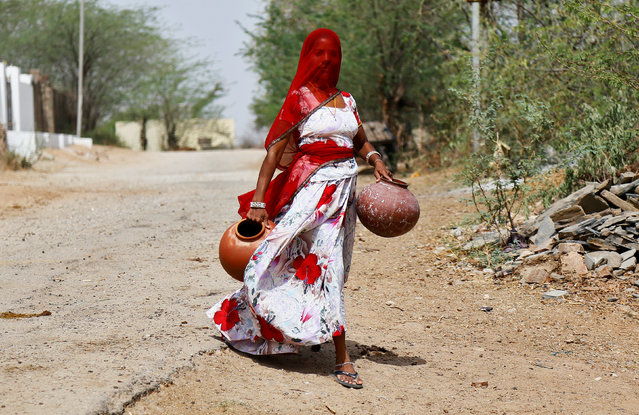
A woman carries earthen pots to fill them with drinking water on a hot summer day, on the outskirts of Ajmer, Rajasthan, India April 25, 2017. (Photo by Himanshu Sharma/Reuters)

A woman carries earthen pots to fill them with drinking water on a hot summer day, on the outskirts of Ajmer, Rajasthan, India April 25, 2017. (Photo by Himanshu Sharma/Reuters)
Details
08 May 2017 08:26:00
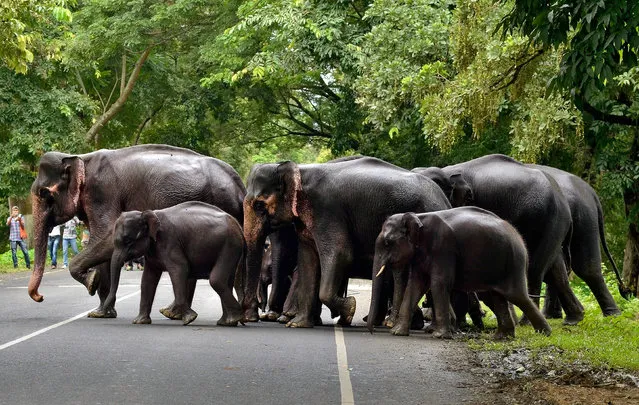
A herd of elephants cross a road that passes through the flooded Kaziranga National Park in the northeastern state of Assam, India, July 12, 2017. (Photo by Anuwar Hazarika/Reuters)

A herd of elephants cross a road that passes through the flooded Kaziranga National Park in the northeastern state of Assam, India, July 12, 2017. (Photo by Anuwar Hazarika/Reuters)
Details
15 Jul 2017 08:26:00
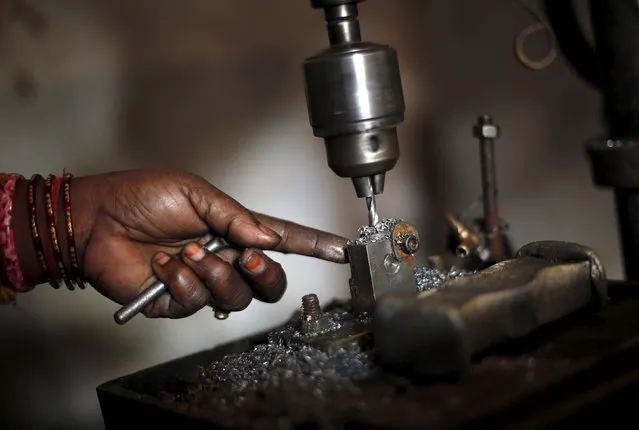
A worker makes auto parts on a machine inside a workshop in Faridabad, India, December 24, 2015. (Photo by Adnan Abidi/Reuters)

A worker makes auto parts on a machine inside a workshop in Faridabad, India, December 24, 2015. Car makers such as Maruti Suzuki India and Hyundai Motor see huge growth in India, set to become the world's third-largest auto market by 2020 as millions buy their first new car. Price tags can be as low as $3,000 for a new Tata Motors Nano mini-car. India is also becoming a low-cost export hub for global car makers such as General Motors and Ford Motor. As the sector expands, some of the work is sub-contracted out to small factories operating on paper-thin margins, where poor contract workers often have little or no access to safety equipment or health benefits. (Photo by Adnan Abidi/Reuters)
Details
23 Jan 2016 13:31:00
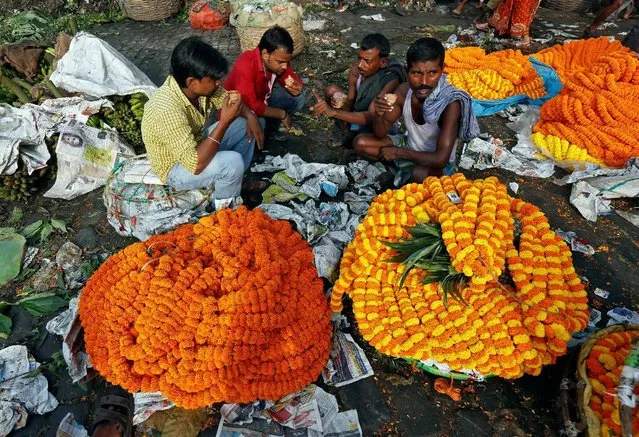
Vendors selling marigold garlands, which are used to decorate temples and homes during the Hindu festival of Durga Puja, drink tea as they wait for customers at a wholesale flower market in Kolkata, India October 6, 2016. (Photo by Rupak De Chowdhuri/Reuters)

Vendors selling marigold garlands, which are used to decorate temples and homes during the Hindu festival of Durga Puja, drink tea as they wait for customers at a wholesale flower market in Kolkata, India October 6, 2016. (Photo by Rupak De Chowdhuri/Reuters)
Details
11 Oct 2016 10:57:00
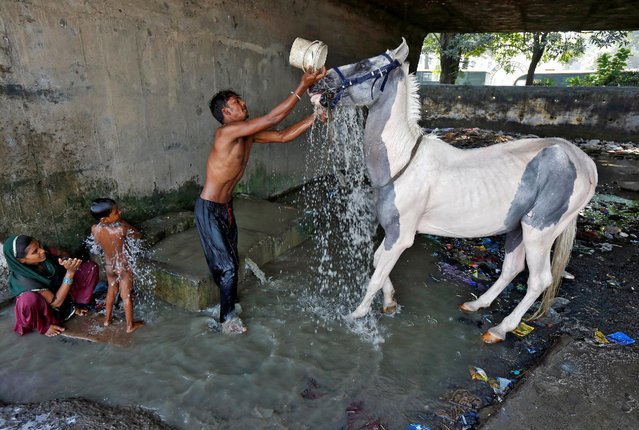
A man washes his horse as a woman bathes her son at concrete water pens under a flyover in a slum area in Kolkata, India October 21, 2016. (Photo by Rupak De Chowdhuri/Reuters)

A man washes his horse as a woman bathes her son at concrete water pens under a flyover in a slum area in Kolkata, India October 21, 2016. (Photo by Rupak De Chowdhuri/Reuters)
Details
24 Oct 2016 12:40:00
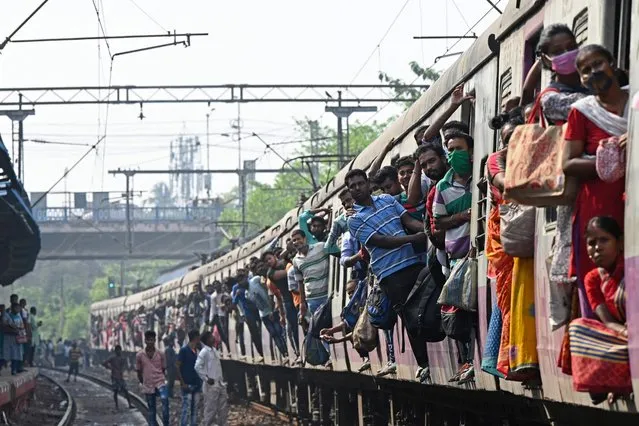
Commuters watch after their train was blocked by leftist activists at a railway station during a nationwide general strike against the policies of the central government in Kolkata on March 28, 2022. (Photo by Dibyangshu Sarkar/AFP Photo)

Commuters watch after their train was blocked by leftist activists at a railway station during a nationwide general strike against the policies of the central government in Kolkata on March 28, 2022. (Photo by Dibyangshu Sarkar/AFP Photo)
Details
05 Apr 2022 05:26:00
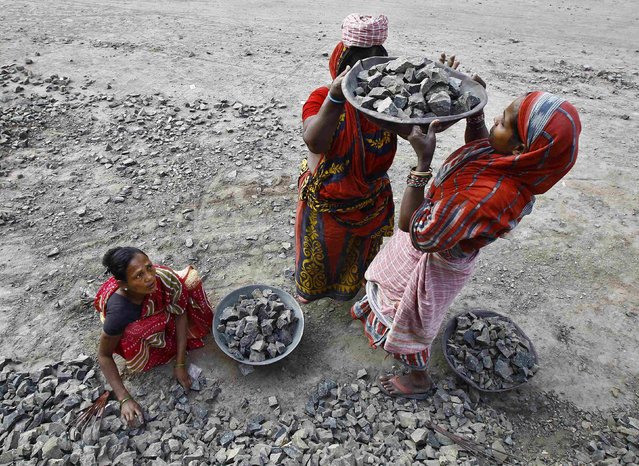
Women labourers work at the construction site of a road in Kolkata January 8, 2015. Across towns and cities in India, it is not uncommon to see women cleaning building sites, carrying bricks and or shoveling gravel - helping construct the infrastructure necessary for the country's economic and social development. (Photo by Rupak De Chowdhuri/Reuters)

Women labourers work at the construction site of a road in Kolkata January 8, 2015. Across towns and cities in India, it is not uncommon to see women cleaning building sites, carrying bricks and or shoveling gravel – helping construct the infrastructure necessary for the country's economic and social development. They help build roads, railway tracks, airports, and offices. They lay pipes for clean water supplies, cables for telecommunications, and dig the drains for sewage systems. But although women make up at least 20 percent of India's 40 million construction workers, they are less recognized than male workers with lower pay and often prone to safety hazards and sexual harassment. They are often unaware of their rights or scared to complain, say activists now trying to campaign for better treatment of women in the construction industry. (Photo by Rupak De Chowdhuri/Reuters)
Details
15 Jan 2015 13:47:00