Loading...
Done
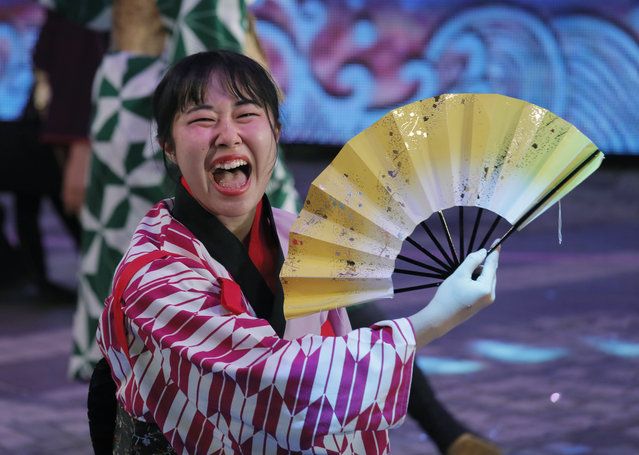
A performer takes part in a night parade to celebrate Chinese New Year in Hong Kong Friday, February 16, 2018. The Lunar New Year this year marks the Year of the Dog in the Chinese calendar. (Photo by Vincent Yu/AP Photo)

A performer takes part in a night parade to celebrate Chinese New Year in Hong Kong Friday, February 16, 2018. The Lunar New Year this year marks the Year of the Dog in the Chinese calendar. (Photo by Vincent Yu/AP Photo)
Details
19 Feb 2018 00:03:00
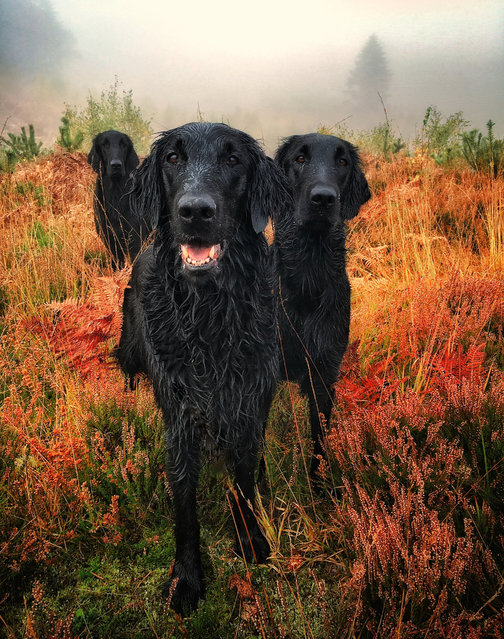
First place, Portrait. Three flat-coated retrievers – Crew, Darcie and Pagan – by Carol Durrant from the UK. (Photo by Carol Durrant/Dog Photographer of the Year 2018)

First place, Portrait. Three flat-coated retrievers – Crew, Darcie and Pagan – by Carol Durrant from the UK. (Photo by Carol Durrant/Dog Photographer of the Year 2018)
Details
20 Jul 2018 00:01:00
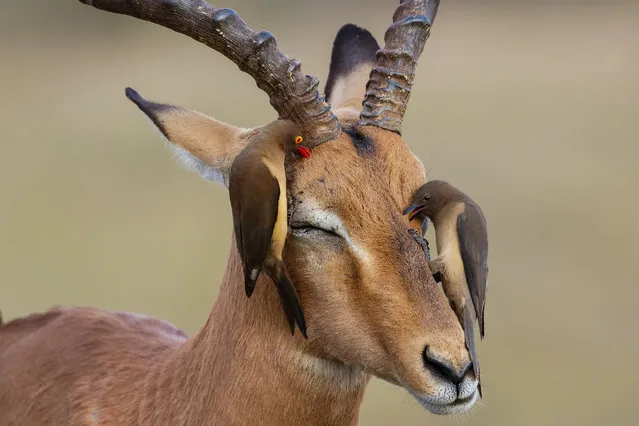
Red-billed oxpecker on an impala, Kruger National Park, South Africa. (Photo by Edmund Aylmer/BPOTY/Cover Images/The Guardian)

The shortlist for the coveted Bird Photographer of the Year awards has been announced by Nature Photographers and the British Trust for Ornithology. Here: Red-billed oxpecker on an impala, Kruger National Park, South Africa. (Photo by Edmund Aylmer/BPOTY/Cover Images/The Guardian)
Details
13 Mar 2018 00:05:00
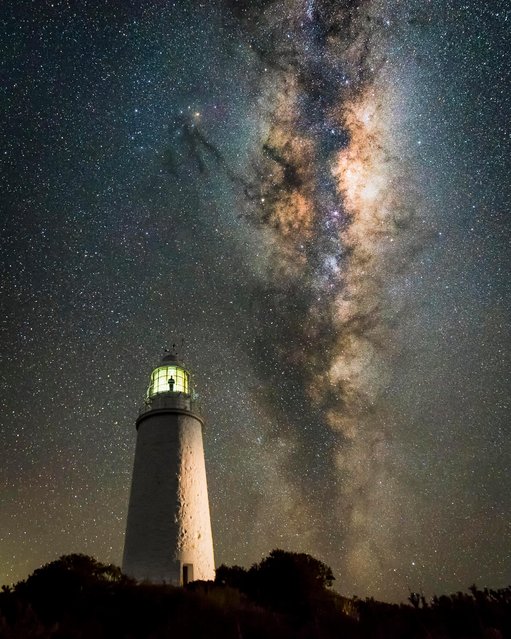
The Milky Way rises above an isolated lighthouse in Tasmania. Shot by James Stone of Australia. (Photo by James Stone/Astronomy Photographer of the Year 2018)

The competition is run by Royal Observatory Greenwich sponsored by Insight Investment and in association with BBC Sky at Night Magazine. This year astrophotographers from 91 countries sent in more than 4,200 spectacular entries. Here: The Milky Way rises above an isolated lighthouse in Tasmania. Shot by James Stone of Australia. (Photo by James Stone/Astronomy Photographer of the Year 2018)
Details
20 Jul 2018 00:05:00
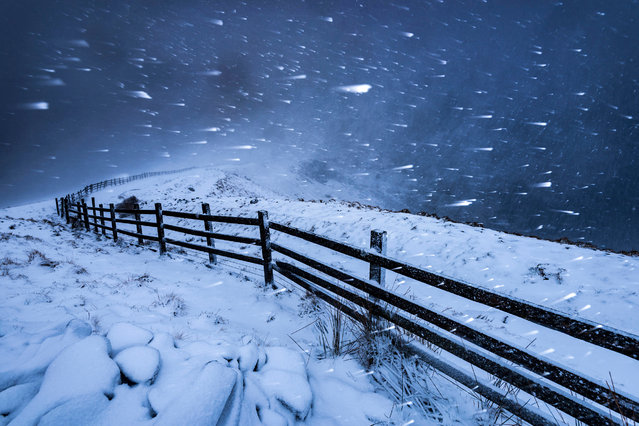
Blizzard in the High Peak, Derbyshire, by John Finney: “After a difficult journey in the snow, I made my way from Mam Tor down onto the Great Ridge. As the clouds got darker, I placed the tripod and camera at just the right angle to avoid snow getting onto the lens, and used a flash gun and a relatively slow shutter speed to highlight the fast motion of the blizzard”. Classic view, adult class – winner. (Photo by John Finney/Landscape Photographer of the Year)

Blizzard in the High Peak, Derbyshire, by John Finney: “After a difficult journey in the snow, I made my way from Mam Tor down onto the Great Ridge. As the clouds got darker, I placed the tripod and camera at just the right angle to avoid snow getting onto the lens, and used a flash gun and a relatively slow shutter speed to highlight the fast motion of the blizzard”. Classic view, adult class – winner. (Photo by John Finney/Landscape Photographer of the Year)
Details
22 Oct 2018 00:01:00
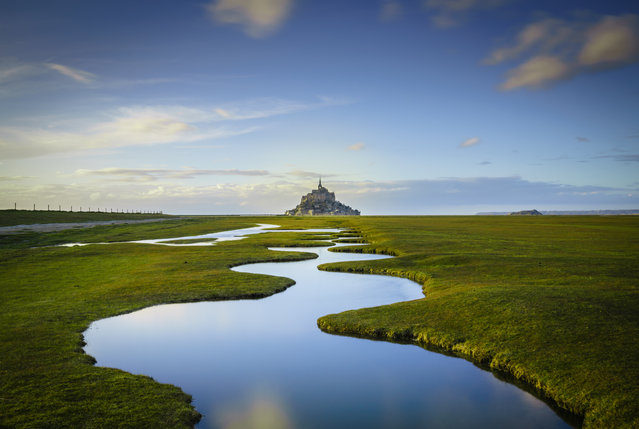
Overall winner. Mont Saint-Michel by Daniel Burton. (Photo by Daniel Burton/The Guardian)

The Historic Photographer of the Year awards celebrate historic places and cultural sites across the globe, from national treasures to hidden gems. Entries were judged on originality, composition and technical proficiency as well as the story that inspired the submission and its historical impact. Here: Overall winner. Mont Saint-Michel by Daniel Burton. (Photo by Daniel Burton/The Guardian)
Details
30 Nov 2018 00:05:00
An image captured by Jasmine Vink, the winner of the wildlife and animal category and overall winner in Australian Photography’s 2018 Photographer of the Year competition. (Photo by Jasmine Vink/Australia's 2018 Photographer of the Year by Panasonic)

An image captured by Jasmine Vink, the winner of the wildlife and animal category and overall winner in Australian Photography’s 2018 Photographer of the Year competition. (Photo by Jasmine Vink/Australia's 2018 Photographer of the Year by Panasonic)
Details
06 Feb 2019 00:03:00
Bloodthirsty by Thomas P Peschak, Germany/South Africa — winner, Behaviour: birds. When rations run short on Wolf Island, in the remote northern Galápagos, the sharp-beaked ground finches become vampires. Their sitting targets are Nazca boobies and other large birds. The finches rely on a scant diet of seeds and insects, which regularly dries up, so they drink blood to survive. ‘I’ve seen more than half a dozen finches drinking from a single Nazca booby,’ says Tom. Rather than leave their nests the boobies tolerate the vampires, and the blood loss doesn’t seem to cause permanent harm. (Photo by Thomas P Peschak/2018 Wildlife Photographer of the Year)

Bloodthirsty by Thomas P. Peschak, Germany/South Africa — winner, Behaviour: birds. When rations run short on Wolf Island, in the remote northern Galápagos, the sharp-beaked ground finches become vampires. Their sitting targets are Nazca boobies and other large birds. The finches rely on a scant diet of seeds and insects, which regularly dries up, so they drink blood to survive. ‘I’ve seen more than half a dozen finches drinking from a single Nazca booby,’ says Tom. Rather than leave their nests the boobies tolerate the vampires, and the blood loss doesn’t seem to cause permanent harm. (Photo by Thomas P. Peschak/2018 Wildlife Photographer of the Year)
Details
19 Oct 2018 00:05:00