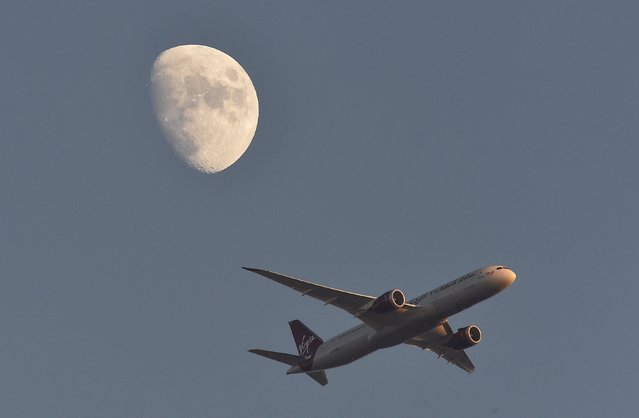
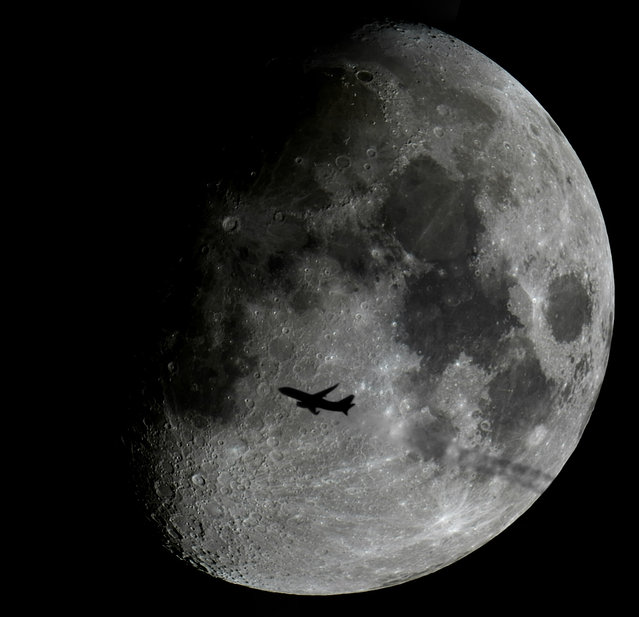
A Virgin Atlantic passenger plane flies in the sky with the moon seen in the background, in London, Britain January 19, 2016. (Photo by Toby Melville/Reuters)
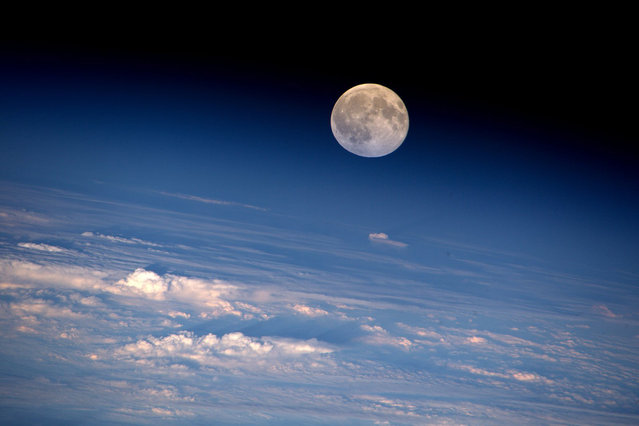
This week's full Moon as photographed from on board the International Space Station by NASA astronaut Jeff Williams on August 19, 2016. Jeff is currently Commander of the Space Station for the Expedition 48 crew. (Photo by Jeff Williams/NASA)
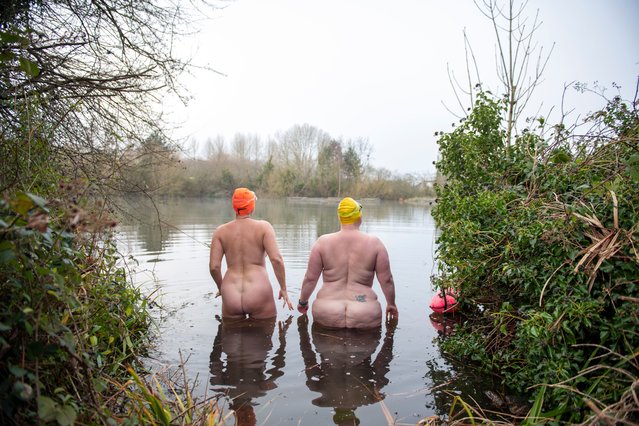
Hannah Maule-ffinch, “Wild Swimmers”, 2020, Hinksey Lake, Oxfordshire. Category: People. The series Wild Swimmers explores how humans are strongest when coming together in the face of adversity. In this photo, Emma and Emma have an amazing bond and friendship, built through their daily ritual of cold swimming in often bracing conditions. (Photo by Hannah Maule-ffinch/Earth Photo 2022)
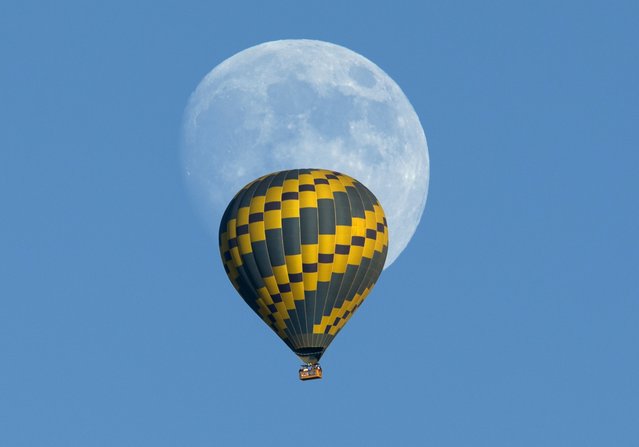
A hot air balloon floats past an almost full rising moon on a warm fall evening near Encinitas, California October 5, 2014. (Photo by Mike Blake/Reuters)
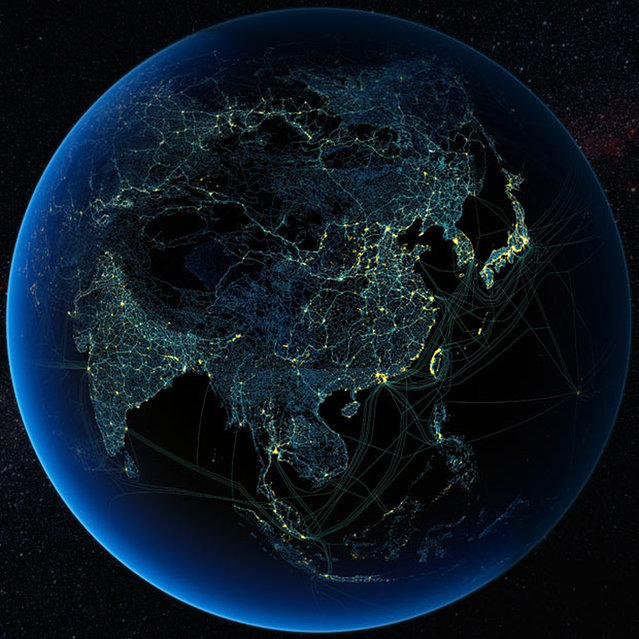
Defined according to wikipedia it is “a recent and informal geologic chronological term that serves to mark the evidence and extent of human activities that have had a significant global impact on the Earth’s ecosystems. The term was coined by ecologist Eugene Stoermer but has been widely popularized by the Nobel Prize-winning atmospheric chemist Paul Crutzen.”
The images here where created by Felix Pharand-Deschenes depicting how various human influences, from road and rail, to internet cables and airlines create significant patterns covering the Earth. What can we learn from these patterns in how they are influencing the environment
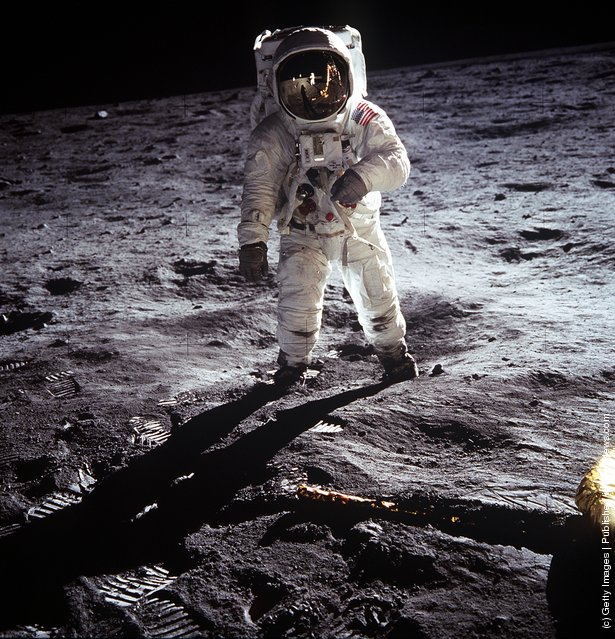
Astronaut Edwin E. Aldrin Jr. walks near the Lunar Module during the Apollo 11 extravehicular activity July 20, 1969 on the Moon. (Photo by NASA/Newsmakers)