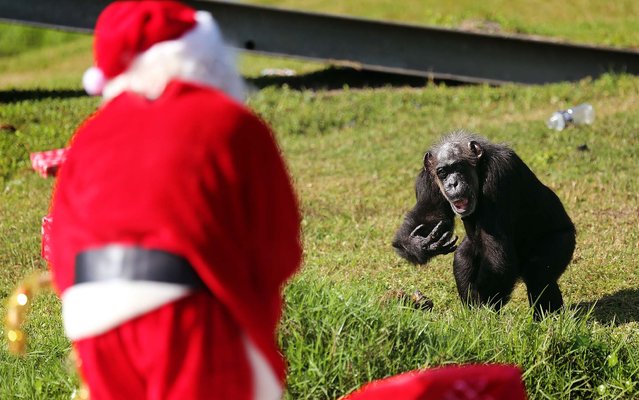
A chimp motions for Santa to deliver his gift during Lion Country Safari's annual Christmas with the Chimps on Thursday, December 20, 2012. (Photo by Bruce R. Bennett/The Palm Beach Post)
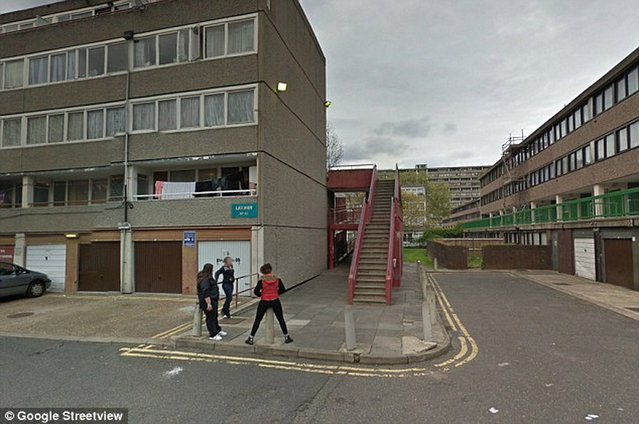
Take a walk on the wild side around some of the most down right dangerous places in the world - and all without leaving your desk, courtesy of Google Street View. Since 2007, Google's amazing technology has given people the chance to visit the Eiffel Tower, peer out over San Francisco's Golden Gate Bridge or walk along a beach in the Bahamas. But as well as mapping the tourist-friendly hotspots, Google also ventured into places you really wouldn't want to find yourself. Here is a collection of some the most notorious areas captured by the infamous roaming camera cars from around the UK and the world.
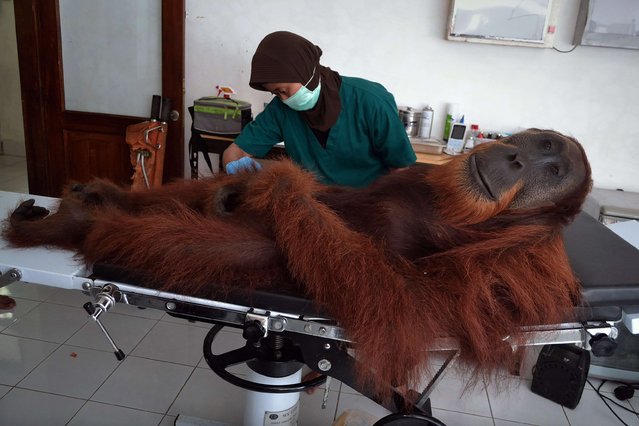
In this photograph taken on April 16, 2014, a veterinary staff member of the Sumatran Orangutan Conservation Programme center conducts medical examinations on a 14-year-old male orangutan found with air gun metal pellets embedded in his body in Sibolangit district in northern Sumatra island. (Photo by Sutanta Aditya/AFP Photo)
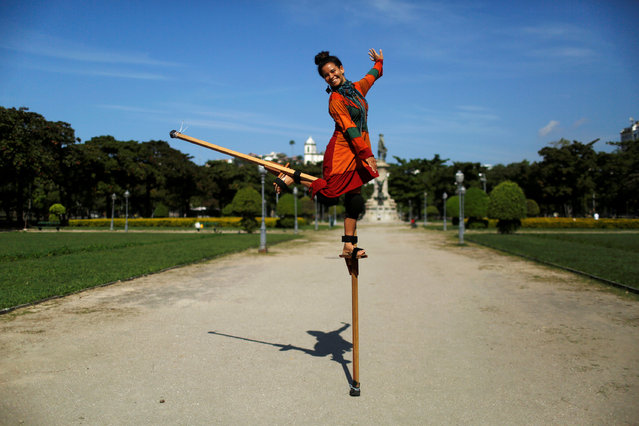
Just a week before Rio de Janeiro hosts South America's first Olympics, city residents expressed mixed feelings about the cost and security of the Games, while holding out hope they will bring joy to a nation facing economic and political crises. The conflicted thoughts mirror a recent survey by the Datafolha polling group showing that half of Brazilians were opposed to holding the Games, while 63 percent think the costs of hosting the event will outweigh benefits. (Photo by Pilar Olivares/Reuters)
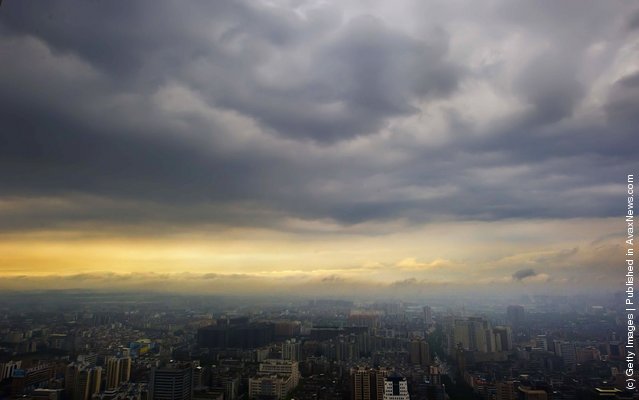
Dark clouds bearing down on the city on April 17, 2011 in Foshan, Guangdong Province of China. According to flood control authorities on Monday, gales as strong as 45.5 meters per second, accompanied by hailstorm, cloudburst and strong wind battered cities including Guangzhou, Foshan, Zhaoqing and Dongguan of south China's Guangdong Province on Sunday, has killed at least 17 people and injured 118. (Photo by ChinaFotoPress/Getty Images)
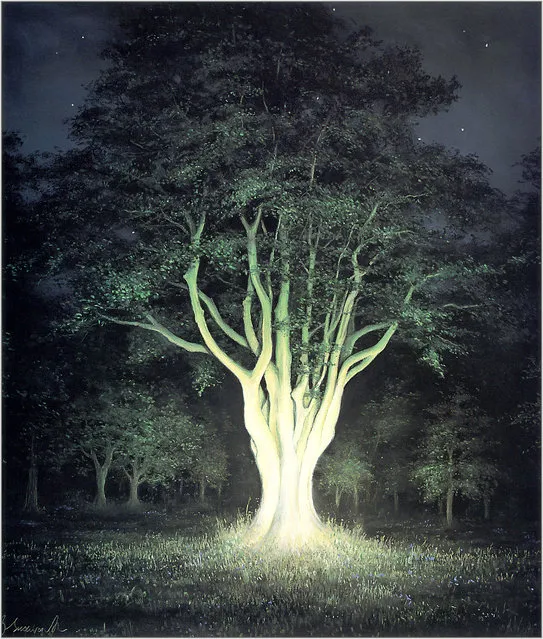
“Anne Sudworth is a British artist internationally known for her paintings of magical trees and haunting moonlit landscapes”. – Wikipedia. Photo: Anne Sudworth – “Gowrim Idhree”.
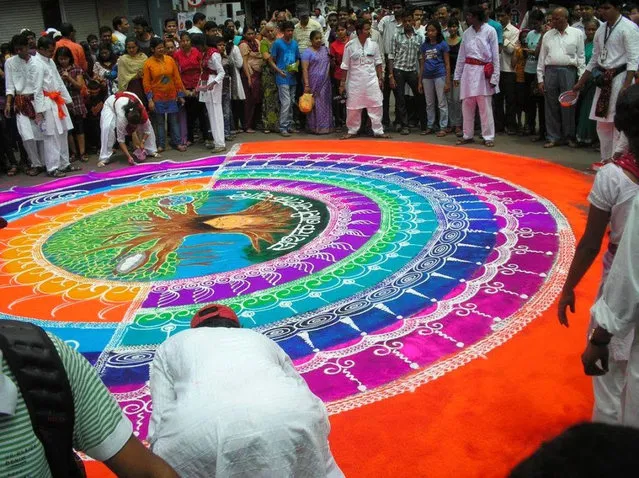
Rangoli, also known as kolam or Muggu, is a folk art from India in which patterns are created on the floor in living rooms or courtyards using materials such as colored rice, dry flour, colored sand or flower petals. It is usually made during Diwali, Onam, Pongal and other Indian festivals. They are meant to be sacred welcoming areas for the Hindu deities. The ancient symbols have been passed down through the ages, from each generation to the next, keeping both the art form and the tradition alive. Similar practices are followed in different Indian states: in Tamil Nadu, there is Kolam in Tamil Nadu; Mandana in Rajasthan; Chaookpurna in Chhattisgarh; Alpana in West Bengal; Aripana in Bihar; Chowk pujan in Uttar Pradesh; Muggu in Andhra Pradesh and others.