KARA perform on stage during their first solo concert KARASIA at Olympic gymnasium on February 18, 2012 in Seoul, South Korea. (Photo by Chung Sung-Jun/Getty Images)
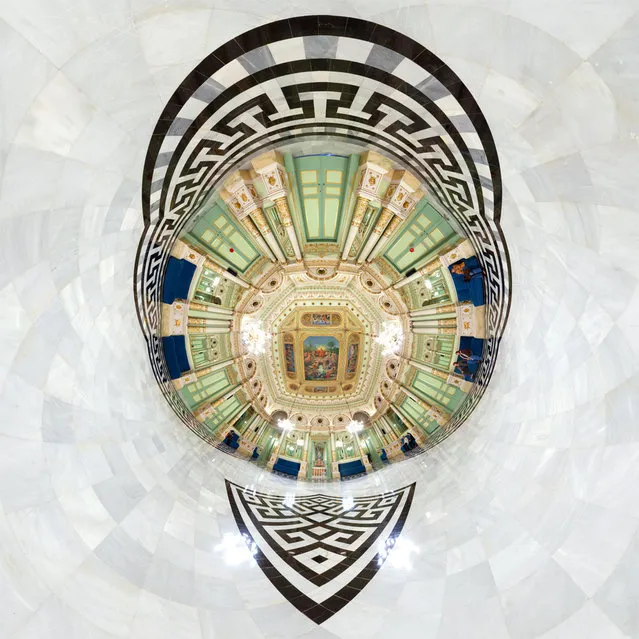
Spanish photographer Clément Celma project “My Little Planets,” takes an interactive and panoramic approach, exploring beautiful architecture from all angles
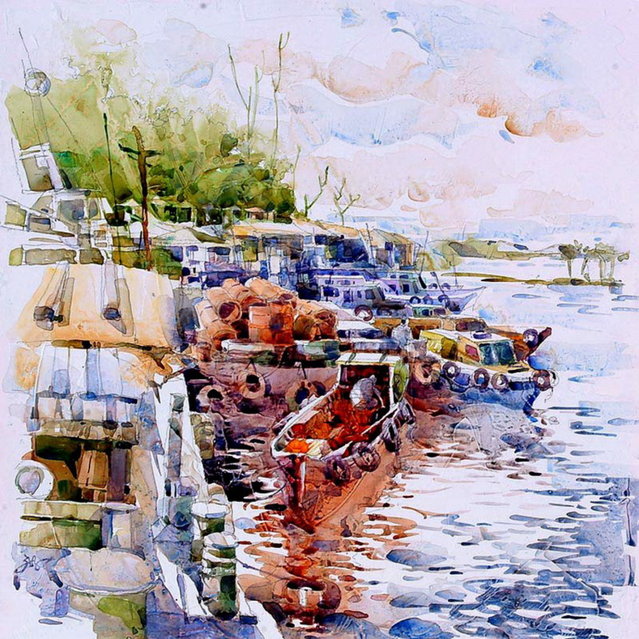
Jack Tia Kee Woon is an artist from Singapore. He is famous through his technique of watercolor painting in acrylic environment. His painting style is very light and radiant, where the watercolors add the transparence to the picture, while acrylic make the colors look very deep. One can see the influence of Chinese and Japanese culture on his art.
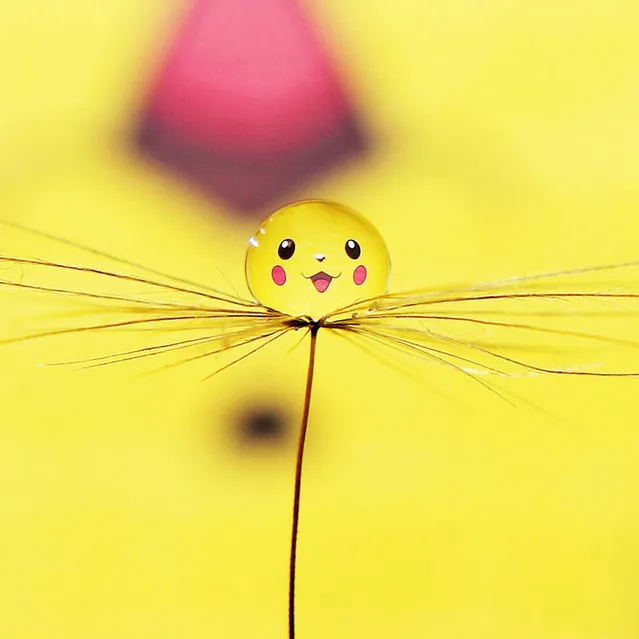
18 year old German photographer Kara (Kara-a) has a passion for macro photography and especially capturing drops of water reflecting various images beyond. Simple beauty of little droplets combined with Kara’s creativity brought up some really entertaining photographs.
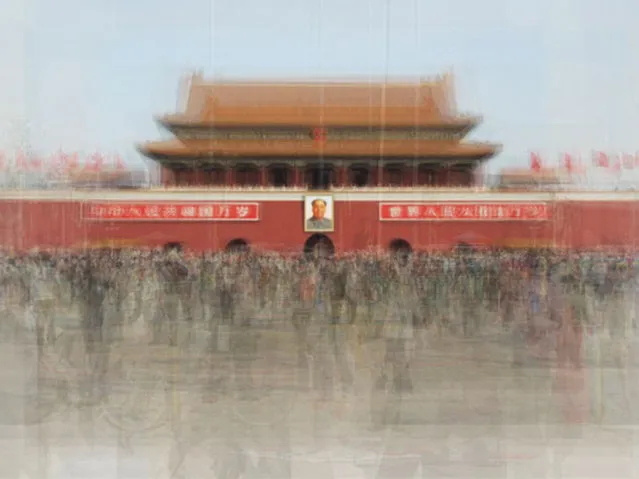
That's exactly what Vionnet's "Photo Opportunities" series does: takes hundreds of tourist photos of iconic landmarks, superimposes them into semi-transparency, and lets a dreamlike meta-image emerge.
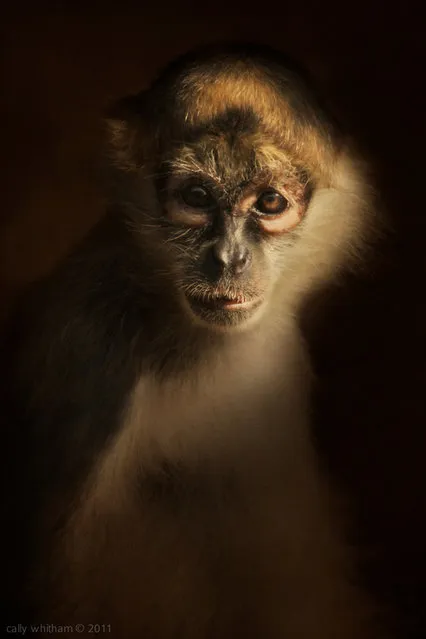
Cally Whitham is a photographic artist from New Zealand with romantic notions of finding value in banality. Her work identifies aesthetic value where none appears apparent and often invites viewers to reflect on our rural beginnings. via Photography Blogs.
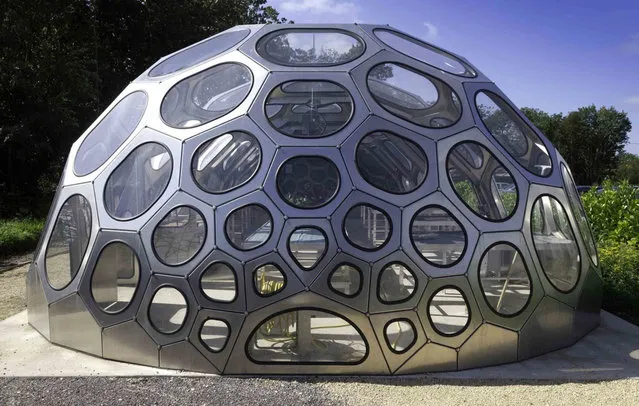
A greenhouse is a contained quantity of air and light which extends the growing season and enables the thriving of plants otherwise alien to local climate. It creates a bubble of super-nature, where things otherwise impossible become possible. The smell, temperature, humidity and taste of things are significantly different than just outside the thin membrane. It enables us to create different kinds (or quantities) of food, but also to experience different climates and atmospheres. A greenhouse is by definition alien to its site, but creates a significant place in everyday life.
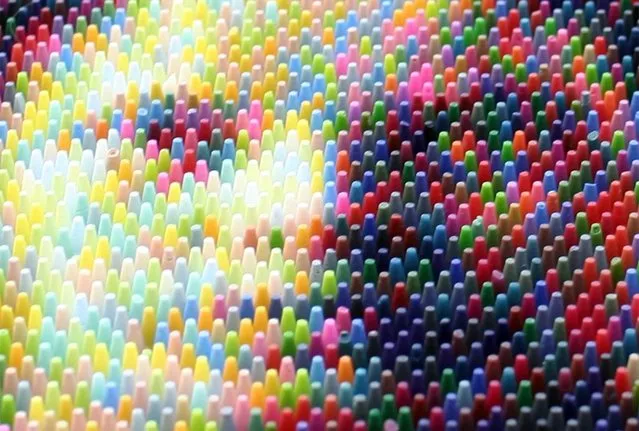
Christian Faur is an artist based in Granville, Ohio. Looking for a new technique, he experimented with painting with wax, but he didn’t feel the results were satisfactory.Then, at Christmas in 2005, his young daughter opened a box of 120 Crayola crayons he’d bought her, and everything clicked into place. Faur decided he would create pictures out of the crayons themselves, packing thousands of them together so they become like the colored pixels on a TV screen. He starts each work by scanning a photo into a computer and breaking the image down into colored blocks He then draws a grid that shows him exactly where to place each crayon The finished artworks are packed tightly into wooden frames. He actually makes the crayons himself, hand-casting each one in a mould.