Children in a Hong Kong refugee resettlement area watch as former Vice President Richard Nixon shows them his badminton service. Nixon visited Hong Kong, April 4, 1964, during his tour of countries in the Far East. (Photo by AP Photo)
Actress Sophia Loren teases the hair of critic Gene Shalit in New York, Tuesday, February 20, 1979. During the filming of a segment for the NBC television “Today” show. In the background is a large photograph of Miss Loren. The segment is scheduled for airing later this week. (Photo by Dave Pickoff/AP Photo)
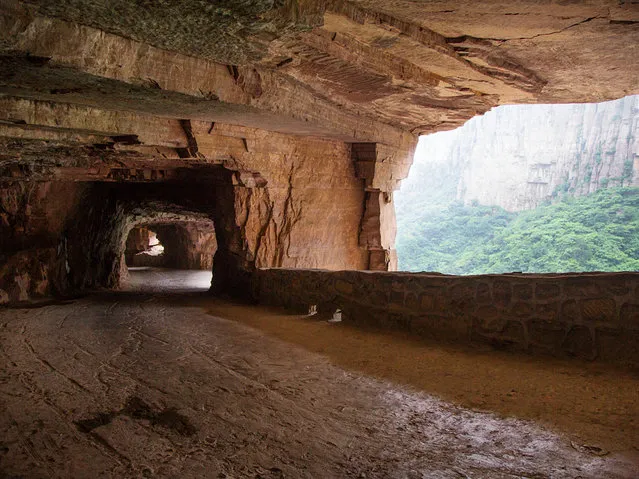
The Guoliang Tunnel is carved along the side of and through a mountain in China. The tunnel links the village of Guoliang to the outside through the Taihang Mountains which are situated in Huixian, Xinxiang, Henan Province of China.
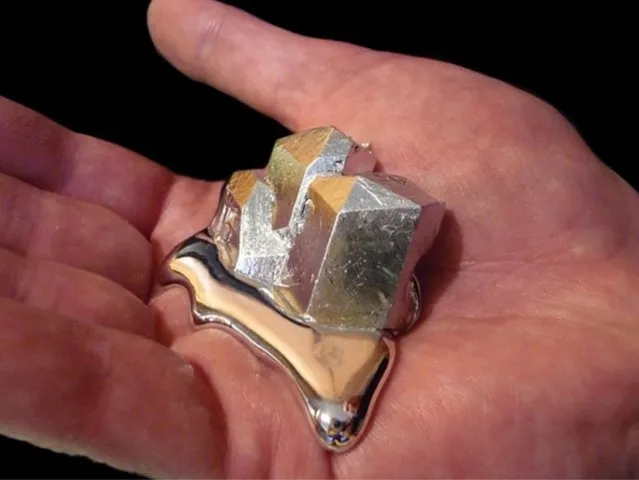
Gallium is a chemical element with symbol Ga and atomic number 31. Elemental gallium does not occur in nature, but as the gallium(III) compounds in trace amounts in bauxite and zinc ores. A soft silvery metallic poor metal, elemental gallium is a brittle solid at low temperatures.
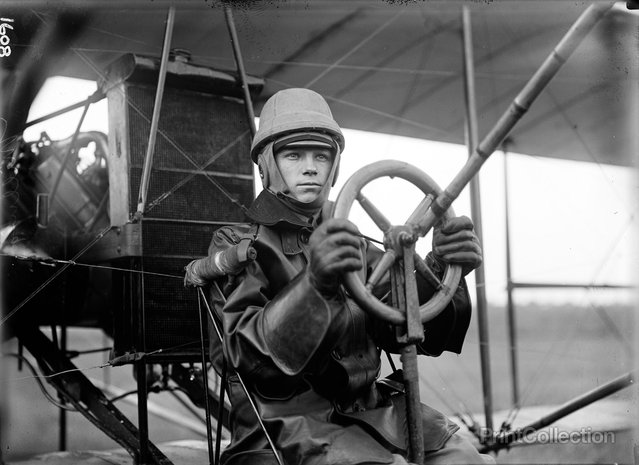
Harris & Ewing Inc. photographed people, events, and architecture, particularly in Washington, D.C., during the period 1905-1945. Photo: Tests of Curtiss Palne for Army, Single Control. Created by Harris & Ewing. Published in 1912.
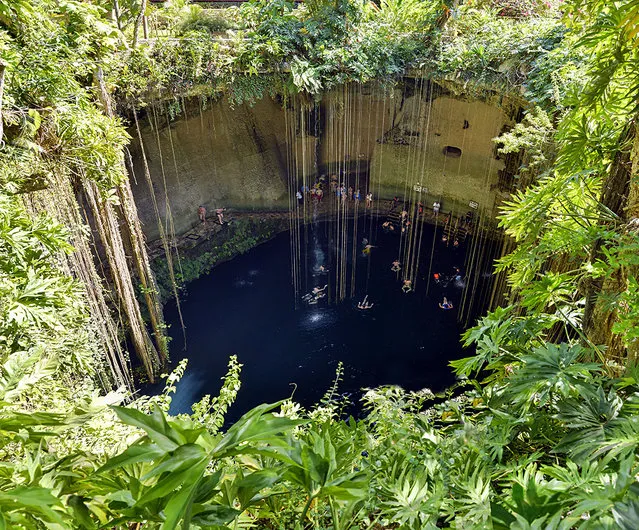
A cenote is a natural phenomenon, a sinkhole in the Earth’s surface. The Yucatan Peninsula in Mexico has an estimated 7,000 cenotes because it is primarily made up of porous limestone. For millions of years, rainfall slowly ate away at the limestone and a huge system of underground caves and caverns was formed. Many filled with water from rain or from the underground water table. When the roof of a water filled cave collapses, a cenote is born. The water found in a cenote may be fresh water, salt water, or both. Structurally it may be completely open, like a lake, almost completely closed with just a small opening at the top, or somewhere in between.