Sunrise over St Mary's lighthouse north of Whitley Bay on the coast of north east England on Wednesday, May 19, 2021. (Photo by Owen Humphreys/PA Images via Getty Images)
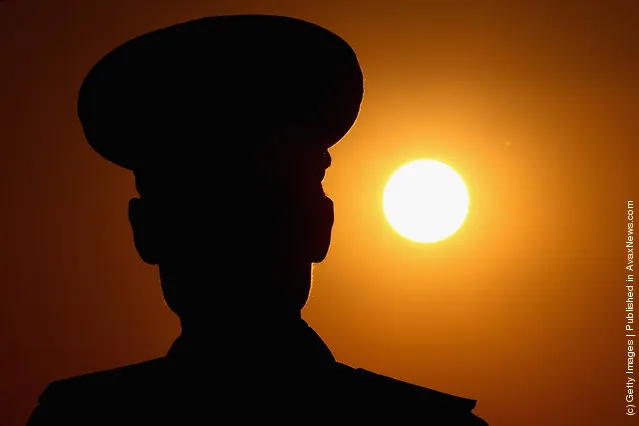
A soldier stands guard on the aircraft park of the Pyongyang Airport on April 3, 2011 in Pyongyang, North Korea. Pyongyang is the capital city of North Korea and the population is about 2,500,000.
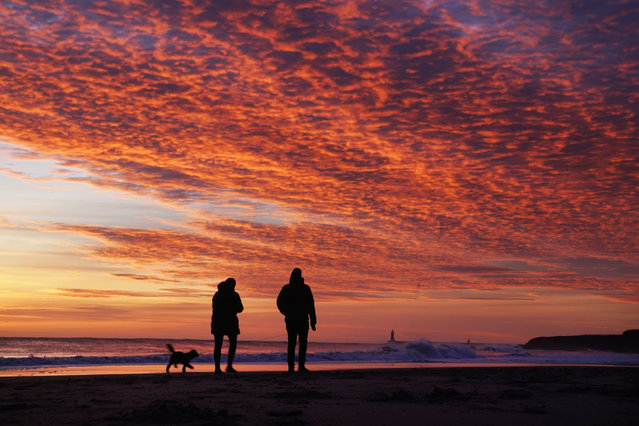
Dog walkers enjoy the early morning sunrise at Tynemouth Beach in North Tyneside, on the north east coast of England on Monday, February 7, 2022. (Photo by Owen Humphreys/PA Images via Getty Images)
North Korean traffic police women chat next to a residential building while off duty Tuesday, October 18, 2016, in Pyongyang, North Korea. (Photo by Wong Maye-E/AP Photo)
North Korea's Samjiyon Orchestra performs at Pyongyang Grand Theatre in Pyongyang, North Korea, September 18, 2018. (Photo by Pyeongyang Press Corps/Pool via Reuters)
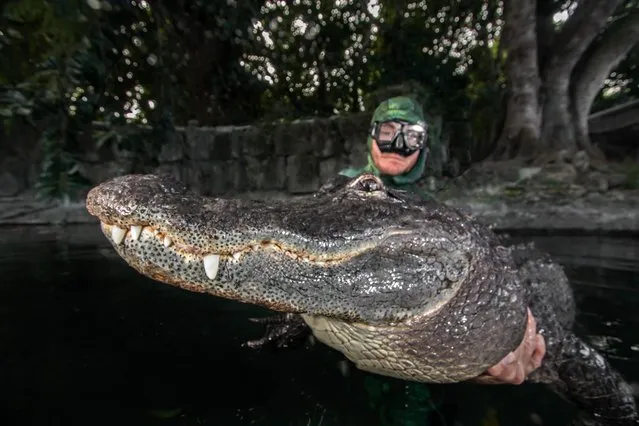
The incredible photographs show the three alligators crowding around the man’s head as they look directly at the camera and one even appears to sit on his lap whilst another reptile places a claw on his arm as it swims towards the surface. Photographs taken from above the surface show animal handler, Chris Gillette (29) from Fort Lauderdale, Florida, USA holding an alligator out of the water. The images of Chris were taken by Michael Dornellas at the Everglades Outpost Wildlife Rescue, Florida USA. Here: Michael Dornellas brings the beast up close and personal to the camera. (Photo by Chris Gillette and Michael Dornellas/Mediadrumworld.com)
North Korean defectors, now living in South Korea, prepare to release balloons carrying propaganda leaflets denouncing North Korea's late leader Kim Jong-Il at Imjingak, near the Demilitarized zone (DMZ) separating South and North Korea on December 28, 2011 in Paju, South Korea. (Photo by Chung Sung-Jun/Getty Images)
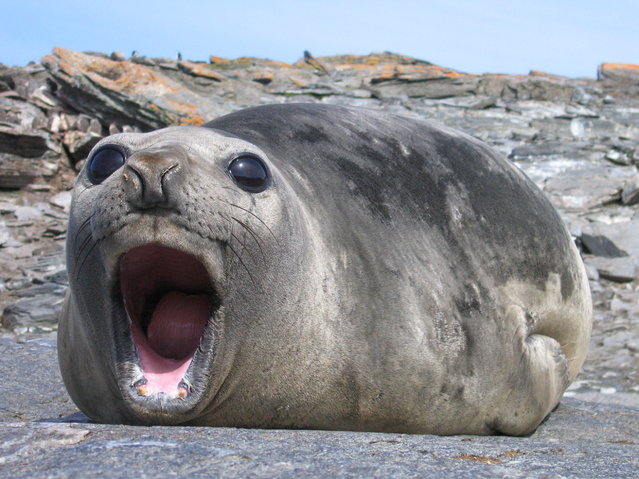
Weddell seal numbers in 2025 have declined sharply on Signy Island, part of the South Orkney Islands in the Southern Ocean, where British Antarctic Survey researchers have tracked seal populations for nearly 50 years to understand the impact of melting sea ice. (Photo by Michael Dunn/The Times)