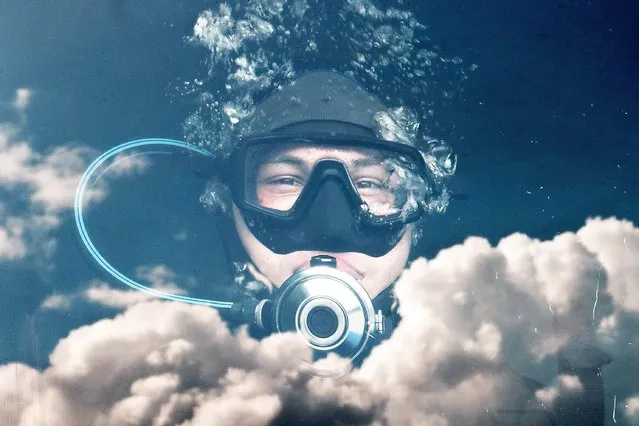
A diver in a pool at the Army 2021 International Military and Technical Forum, at the Patriot military park in Moscow Region, Russia on August 22, 2021. (Photo by Sergei Karpukhin/TASS/Alamy Live News)
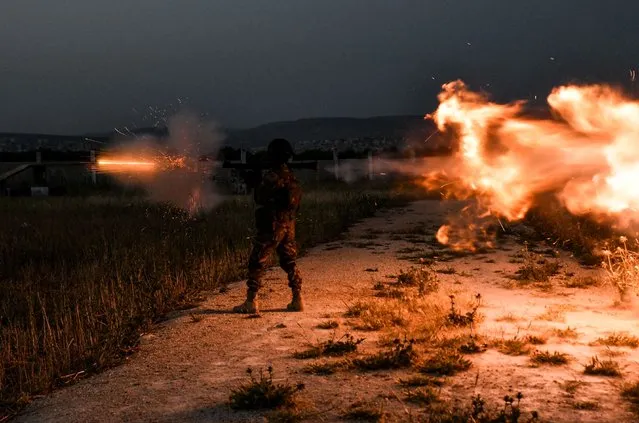
A Turkey-backed Syrian fighter fires a rocket-propelled grenade as he takes part in a military exercise in the countryside of the northwestern city of Afrin, in rebel-held part of Aleppo province, on May 31, 2022. (Photo by Rami al Sayed/AFP Photo)
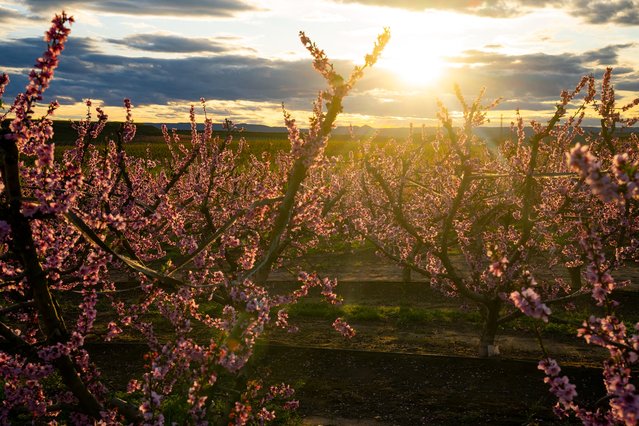
Rows of blossoming peach trees line the fields of Aitona, in the province of Lleida, north eastern Spain, on March 22, 2025. Every year in March the thousands of hectares of blossoming peach trees create a sort of nature tourism with hundreds of people visiting the area to take in the colorful blossoms. (Photo by Josep Lago/AFP Photo)
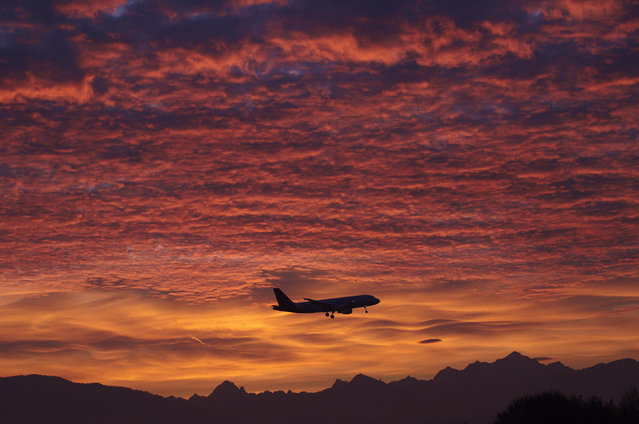
A Brussels Airlines aircraft prepares for landing in Cointrin airport during sunrise over the Mont Blanc in Geneva December 1, 2011. (Photo by Denis Balibouse/Reuters)
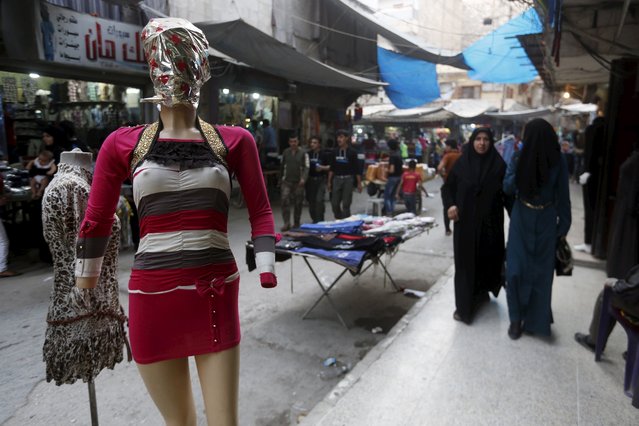
Women walk past a mannequin with a covered face as they shop ahead of the Muslim festival of Eid-al-Adha in Aleppo, Syria September 23, 2015. (Photo by Hamid Khatib/Reuters)
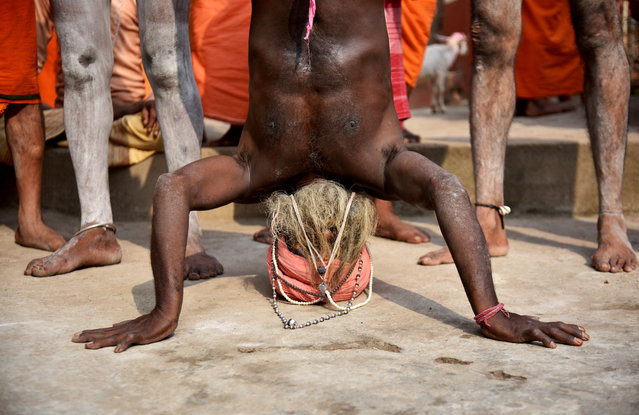
A Sadhu, or a Hindu holy man, performs yoga on International Yoga Day at Kamakhya temple in Guwahati, India on June 21, 2018. (Photo by Anuwar Hazarika/Reuters)
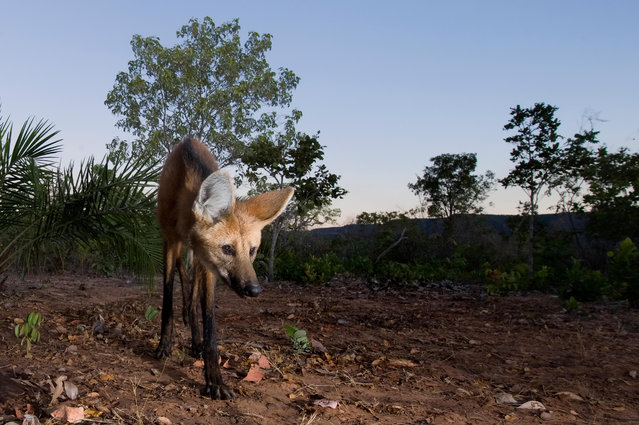
Global wildlife populations will decline by 67% by 2020 unless urgent action is taken to reduce human impact on species and ecosystems, warns the biennial Living Planet Index report from WWF (World Wide Fund for Nature) and ZSL (Zoological Society of London). From elephants to eels, here are some of the wildlife populations most affected by human activity. Here: The maned wolf is among the large mammals in the Brazilian Cerrado that are threatened by the increasing conversion of grasslands into farmland for grazing and growing crops. (Photo by Ben Cranke/Nature Picture Library/Alamy Stock Photo)