Loading...
Done
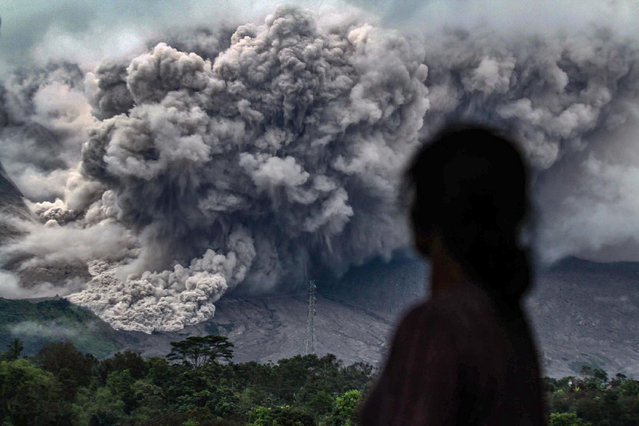
An Indonesian woman watches an eruption from the Mount Sinabung volcano from Tiga Pancur village, in Karo in North Sumatra on November 3, 2017. Sinabung roared back to life in 2010 for the first time in 400 years. After another period of inactivity it erupted once more in 2013, and has remained highly active since. (Photo by Ivan Damanik/AFP Photo)

An Indonesian woman watches an eruption from the Mount Sinabung volcano from Tiga Pancur village, in Karo in North Sumatra on November 3, 2017. Sinabung roared back to life in 2010 for the first time in 400 years. After another period of inactivity it erupted once more in 2013, and has remained highly active since. (Photo by Ivan Damanik/AFP Photo)
Details
13 Nov 2017 07:31:00
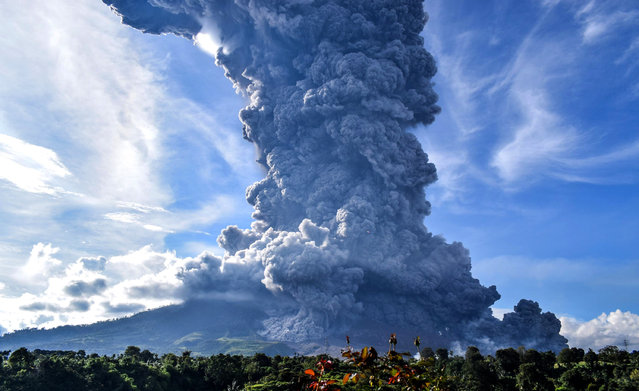
Sinabung mountain spews volcanic smoke in Tiga Pancur Village, Karo, North Sumatra, Indonesia, 09 June 2019. According to BNPB, Mount Sinabung erupted, blowing volcanic ash more than 7,000 meters high. Sinabung is one of the most active volcanos in Indonesia. It erupted in 2010 and since then killed 17 people in eruptions in 2014 and another nine people in 2016. (Photo by Sarianto Sembiring/EPA/EFE)

Sinabung mountain spews volcanic smoke in Tiga Pancur Village, Karo, North Sumatra, Indonesia, 09 June 2019. According to BNPB, Mount Sinabung erupted, blowing volcanic ash more than 7,000 meters high. Sinabung is one of the most active volcanos in Indonesia. It erupted in 2010 and since then killed 17 people in eruptions in 2014 and another nine people in 2016. (Photo by Sarianto Sembiring/EPA/EFE)
Details
12 Jun 2019 00:01:00
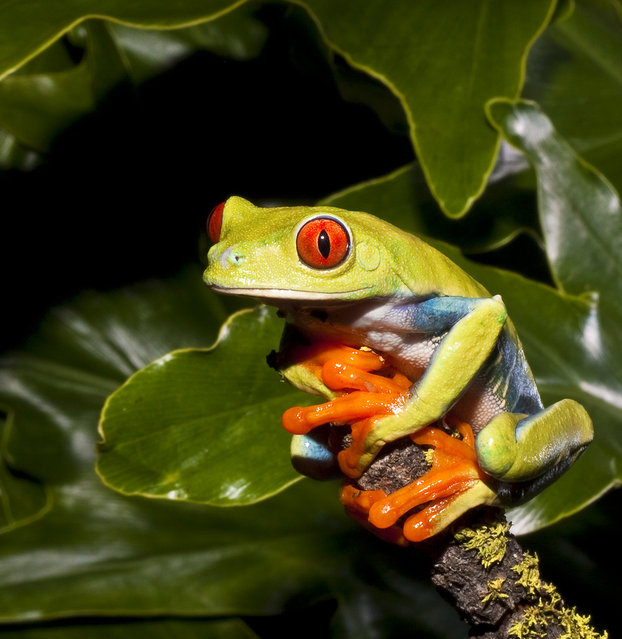
The Red-eyed Treefrog (Agalychnis callidryas)

“The Red-eyed Treefrog (Agalychnis callidryas) is an arboreal hylid native to Neotropical rainforests in Central America. Red-eyed tree frogs, as their name states, have red eyes with vertically narrowed noses, a vibrant green body with yellow and blue vertically striped sides, and orange or yellow webbed feet and toes”. – Wikipedia. (Photo by Donald Quintana)
Details
26 Jun 2012 10:13:00


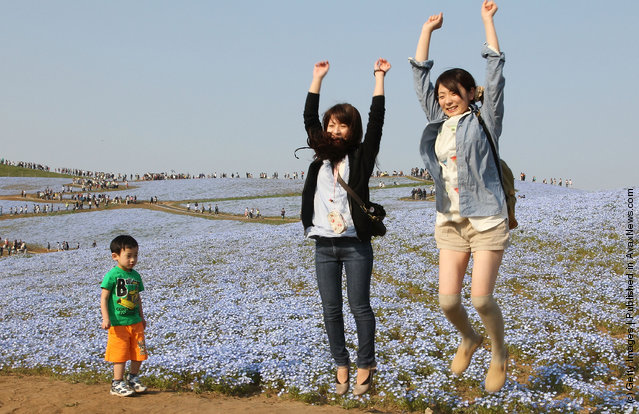
Visitors enjoy watching the Blue Nemophila flowers bloom during the Golden Week holidays, at Hitachinaka Kaihin Park on May 02, 2010 in Hitachinaka, Ibaraki, Japan. Millions of nemophilas blossom across the “Miharashi No Oka” hill at Hitachi Seaside Park for the annual “Nemophila Harmony” flower festival. (Photo by Koichi Kamoshida/Getty Images)
Details
18 Apr 2011 10:13:00
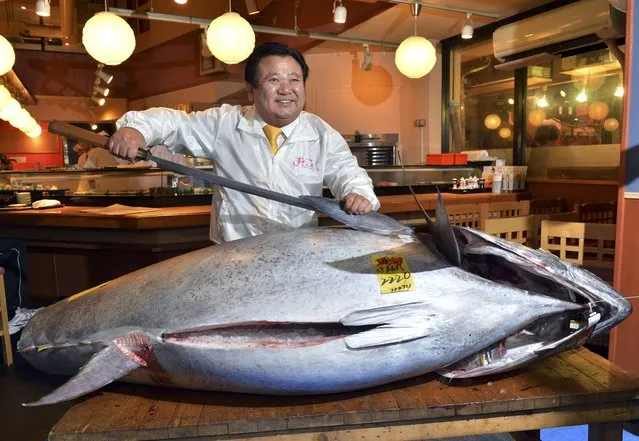
President of sushi restaurant chain Sushi-Zanmai, Kiyoshi Kimura, displays a 222kg bluefin tuna at his main restaurant near Tokyo's Tsukiji fish market on January 5, 2013. The bluefin tuna was traded at 155.4 million yen (1.77 million USD) at the wholesale market, smashing a previous record. (Photo by Yoshikazu Tsuno/AFP Photo)

Japanese businessman Kiyoshi Kimura has paid 1.38 million euros ($1.76 million, or 155.4 million yen) for a blue fin tuna – more than three times the previous high – which he also set one year ago. The 222-kilogram fish will be served to Kimura’s customers. Blue fin tuna is annually sold in a traditional New Year’s auction. Japan consumes 80 percent blue fin tuna caught worldwide.

Photo: President of sushi restaurant chain Sushi-Zanmai, Kiyoshi Kimura, displays a 222kg bluefin tuna at his main restaurant near Tokyo's Tsukiji fish market on January 5, 2013. The bluefin tuna was traded at 155.4 million yen (1.77 million USD) at the wholesale market, smashing a previous record. (Photo by Yoshikazu Tsuno/AFP Photo)
Details
06 Jan 2013 13:26:00
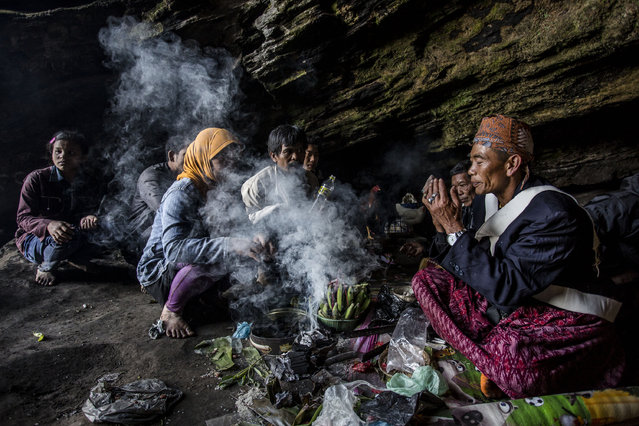
A Tenggerese shaman praying for worshippers at Widodaren cave during the Tenggerese Hindu Yadnya Kasada festival on July 31, 2015 in Probolinggo, East Java, Indonesia. The festival is the main festival of the Tenggerese people and lasts about a month. On the fourteenth day, the Tenggerese make the journey to Mount Bromo to make offerings of rice, fruits, vegetables, flowers and livestock to the mountain gods by throwing them into the volcano's caldera. (Photo by Ulet Ifansasti/Getty Images)

A Tenggerese shaman praying for worshippers at Widodaren cave during the Tenggerese Hindu Yadnya Kasada festival on July 31, 2015 in Probolinggo, East Java, Indonesia. The festival is the main festival of the Tenggerese people and lasts about a month. On the fourteenth day, the Tenggerese make the journey to Mount Bromo to make offerings of rice, fruits, vegetables, flowers and livestock to the mountain gods by throwing them into the volcano's caldera. The origin of the festival lies in the 15th century when a princess named Roro Anteng started the principality of Tengger with her husband Joko Seger, and the childless couple asked the mountain Gods for help in bearing children. The legend says the Gods granted them 24 children but on the provision that the 25th must be tossed into the volcano in sacrifice. The 25th child, Kesuma, was finally sacrificed in this way after initial refusal, and the tradition of throwing sacrifices into the caldera to appease the mountain Gods continues today. (Photo by Ulet Ifansasti/Getty Images)

Details
01 Aug 2015 12:07:00
This picture taken on May 21, 2016 shows professional wrestlers fighting each other during the Wrestling City Asia organized by Singapore Pro Wrestling at a stadium in Kuala Lumpur. Kenneth Thexeira is a mild-mannered writer for an interior-design magazine by day, but on certain nights his alter ego bursts forth in golden tights and a baby-blue cape: enter “The Eurasian Dragon”. (Photo by Mohd Rasfan/AFP Photo)

This picture taken on May 21, 2016 shows professional wrestlers fighting each other during the Wrestling City Asia organized by Singapore Pro Wrestling at a stadium in Kuala Lumpur. Kenneth Thexeira is a mild-mannered writer for an interior-design magazine by day, but on certain nights his alter ego bursts forth in golden tights and a baby-blue cape: enter “The Eurasian Dragon”. (Photo by Mohd Rasfan/AFP Photo)
Details
26 Jun 2016 13:19:00
This aerial picture taken on August 16, 2020, shows the MV Wakashio bulk carrier that had run aground and broke into two parts near Blue Bay Marine Park, Mauritius. A ship that has leaked more than 1,000 tonnes of oil in pristine waters off the Mauritius coast has split into two, its Japanese operator said August 16, 2020. (Photo by AFP Photo/Stringer)

This aerial picture taken on August 16, 2020, shows the MV Wakashio bulk carrier that had run aground and broke into two parts near Blue Bay Marine Park, Mauritius. A ship that has leaked more than 1,000 tonnes of oil in pristine waters off the Mauritius coast has split into two, its Japanese operator said August 16, 2020. (Photo by AFP Photo/Stringer)
Details
08 Sep 2020 00:03:00