Loading...
Done
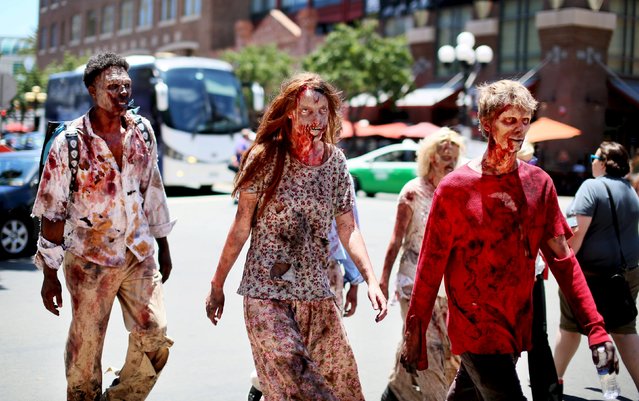
Attnedees dressed in Zombie outfits walk down the Gaslamp Quarter outside of the 2015 Comic-Con International in San Diego, California July 8, 2015. (Photo by Sandy Huffaker/Reuters)

Attnedees dressed in Zombie outfits walk down the Gaslamp Quarter outside of the 2015 Comic-Con International in San Diego, California July 8, 2015. (Photo by Sandy Huffaker/Reuters)
Details
09 Jul 2015 12:27:00
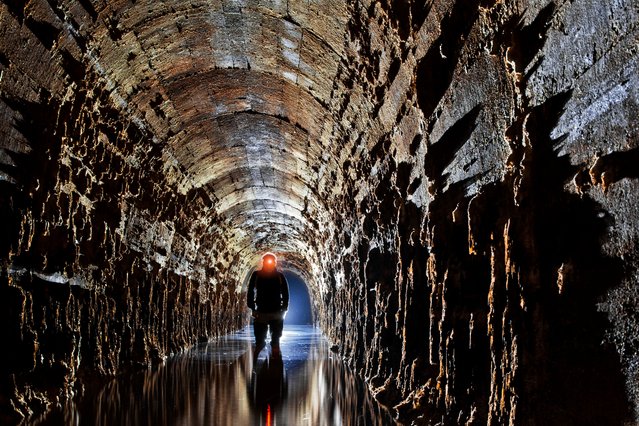
Regenwurmlager, Poland. The Regenwurmlager is an extensive underground fortification area constructed by Germany in 1920s-1940s, now in western Poland, near the city of Międzyrzecz. (Photo by Anna Arinova/Caters News)

Stunning silhouettes under European cities reveal the size and splendor of the continent’s urban foundations. Photographer and content-manager Anna Arinova, 28, from Moscow, captured the awe-inspiring labyrinths in Russia and Germany. Here: Regenwurmlager, Poland. The Regenwurmlager is an extensive underground fortification area constructed by Germany in 1920s-1940s, now in western Poland, near the city of Międzyrzecz. (Photo by Anna Arinova/Caters News)
Details
29 Dec 2016 07:53:00
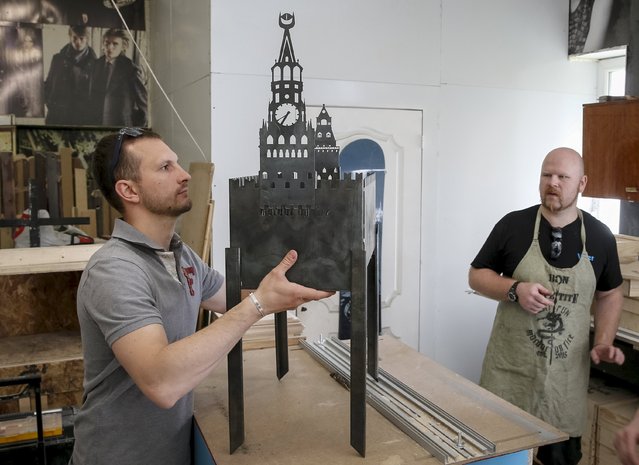
Ukrainian artists assemble a barbecue grill in the shape of Moscow's Kremlin at their workshop in Kiev May 14, 2015. (Photo by Gleb Garanich/Reuters)

Ukrainian artists assemble a barbecue grill in the shape of Moscow's Kremlin at their workshop in Kiev May 14, 2015. A group of Ukrainian artists are working on a project entitled “Mordor on Fire” where they create grills that are sold, and some donated to Ukrainian soldiers in the eastern conflict zone. (Photo by Gleb Garanich/Reuters)
Details
15 May 2015 10:08:00
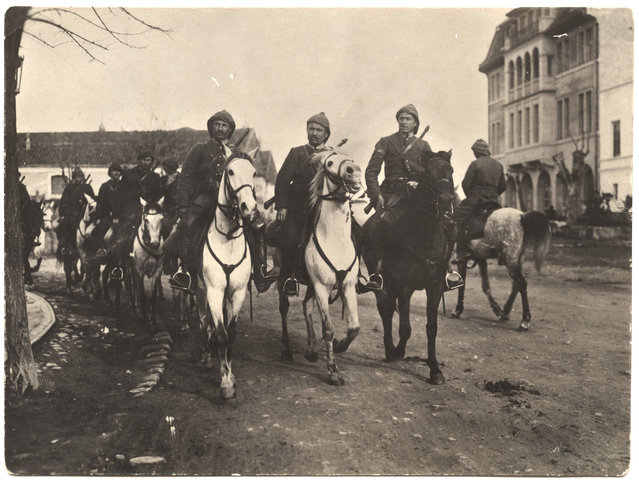
Turkish army, including cavalry, infantry and artillery. (Photo by Dr. P.A. Smithe/National World War I Museum, Kansas City, Mo.)

Dr. P.A. Smithe was sent by the American Red Cross as a doctor and surgeon to work at a hospital in Vienna. He sailed to Europe in December 1915 and returned home in August 1916, according to his daughter, who donated his images to the National World War I Museum. Photo: Turkish army, including cavalry, infantry and artillery. (Photo by Dr. P.A. Smithe/National World War I Museum, Kansas City, Mo.)
Details
29 Jul 2014 11:53:00
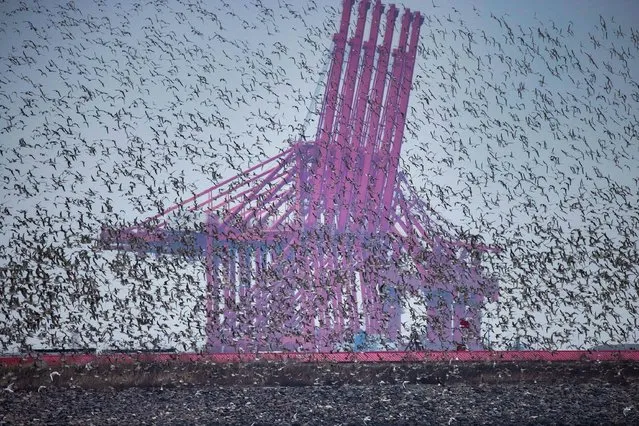
This photo taken on April 4, 2021 shows migratory birds flying over a wetland near the Yalu River in Dandong, in China's northeastern Liaoning province. (Photo by AFP Photo/China Stringer Network)

This photo taken on April 4, 2021 shows migratory birds flying over a wetland near the Yalu River in Dandong, in China's northeastern Liaoning province. (Photo by AFP Photo/China Stringer Network)
Details
27 May 2021 08:50:00
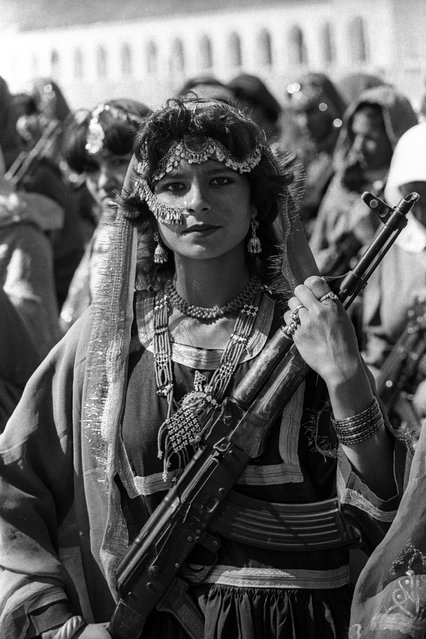
A female rebel in Kabul, Afghanistan, circa 1979. Photo taken at a parade in Kabul in honor of the pro-Communist Saur Revolution. She was from the women’s battalion of the people’s militia (one of the anti-imperial groups that participated in the coup d’etat). (Photo by Viktor Khabarov)

A female rebel in Kabul, Afghanistan, circa 1979. Photo taken at a parade in Kabul in honor of the pro-Communist Saur Revolution. She was from the women’s battalion of the people’s militia (one of the anti-imperial groups that participated in the coup d’etat). (Photo by Viktor Khabarov)
Details
02 Apr 2019 00:03:00
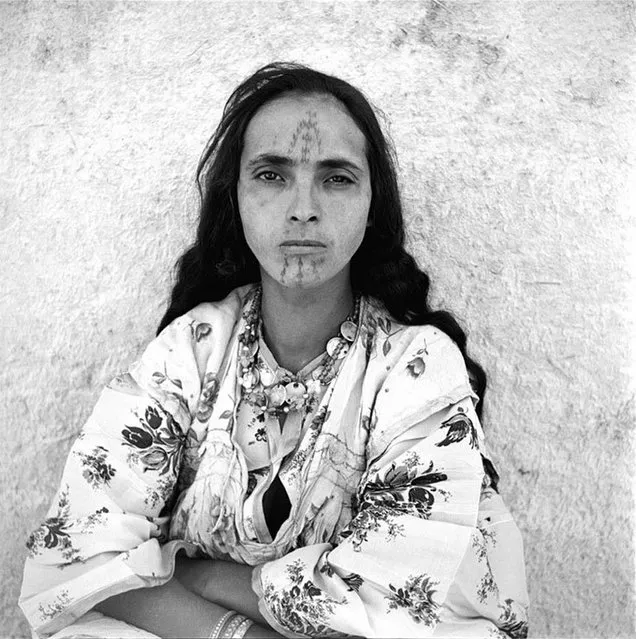
A 1960 photograph of an Algerian woman in a French regroupment village. (Photo by Marc Garanger)

For France, the trauma of the Algerian War (1954-1962) was not unlike the experience of the Vietnam War for the United States. But, unlike the conflict in Vietnam, few photographic documents exist from that period in Algeria: it is as if the French responded with collective amnesia. Marc Garanger’s Algerian Women is one of the few photographic essays dedicated to that painful period... Photo: A 1960 photograph of an Algerian woman in a French regroupment village. (Photo by Marc Garanger)
Details
29 Apr 2013 10:15:00
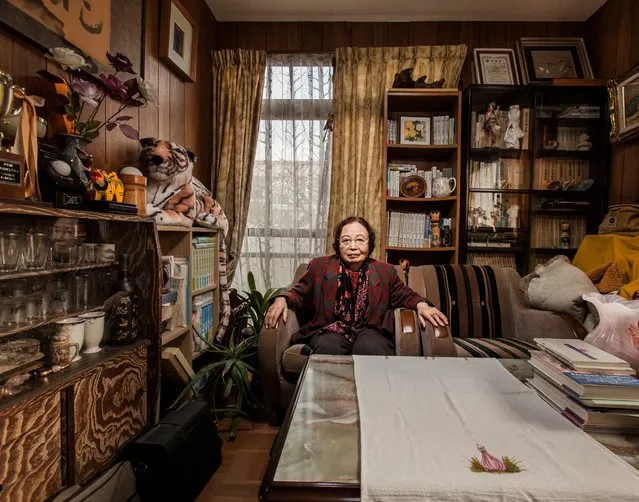
Takeoka Chisaka, Hiroshima, Japan. “One morning in August 1945, I was walking home from the night shift at a factory in Hiroshima. As I reached my door, there was a huge explosion. When I came to, my head was bleeding and I had been blasted 30m away”. (Photo and caption by Sasha Maslov)

Takeoka Chisaka, Hiroshima, Japan. “One morning in August 1945, I was walking home from the night shift at a factory in Hiroshima. As I reached my door, there was a huge explosion. When I came to, my head was bleeding and I had been blasted 30m away. The atomic bomb had detonated. When I found my mother, her eyes were badly burned. A doctor said they had to come out, but he didn’t have the proper tools so used a knife instead. It was hellish. I became a peace-worker after the war. In the 1960s, at a meeting at the UN, I met one of the people who created the atomic bomb. He apologised”. (Photo and caption by Sasha Maslov)
Details
11 May 2015 11:56:00