Loading...
Done
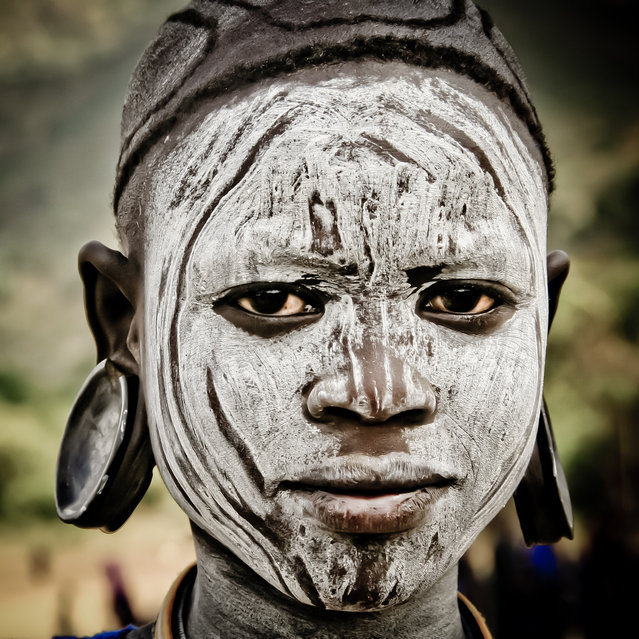
Omo River People, Ethiopia

“The Omo River is an important river of southern Ethiopia. Its course is entirely contained within the boundaries of Ethiopia, and empties into Lake Turkana on the border with Kenya. The lower valley of the Omo is currently believed by some to have been a crossroads for thousands of years as various cultures and ethnic groups migrated around the region. To this day, the people of the Lower Valley of the Omo, including the Mursi, Suri, Nyangatom, Dizi and Me'en, are studied for their diversity”. – Wikipedia (Photo by Hamerscat)

SEE ALSO: «Ethiopia By Brent Stirton»

Details
04 Oct 2012 09:05:00
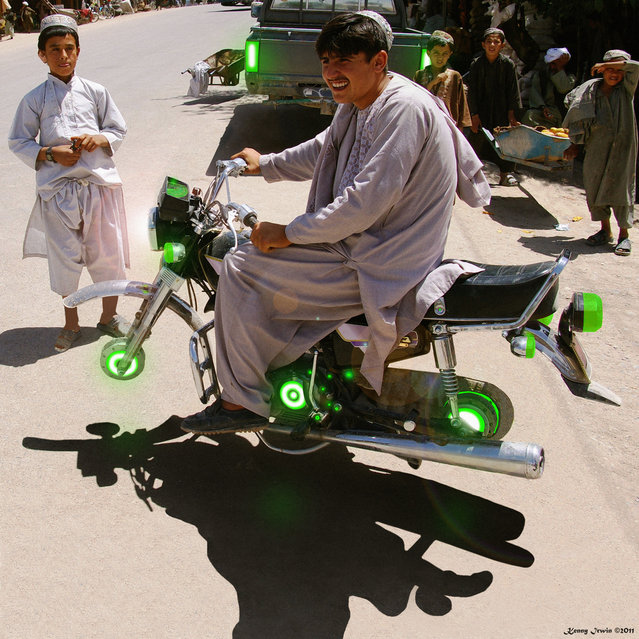
Mingora Hovoped Takes No Ordinary Rider. (Kenny Hassan Irwin)

“In the ongoing epics of the Pakistani Starfleet in their ever lasting quest to embrace and protect the freedoms of all humanity and life elsewhere in the cosmos we explore the future of Pakistan as a leader in advanced technology, diverse culture, exploration, helping to preserve peace & help those in need from the less than benign that reside in the darkest reaches of the cosmos to those who share & cherish kinship with all of humanity from the brightest reaches of the cosmos”. – Kenny Hassan Irwin

Mingora Hovoped Takes No Ordinary Rider. (Photo by Kenny Hassan Irwin)

Details
06 Dec 2012 12:15:00
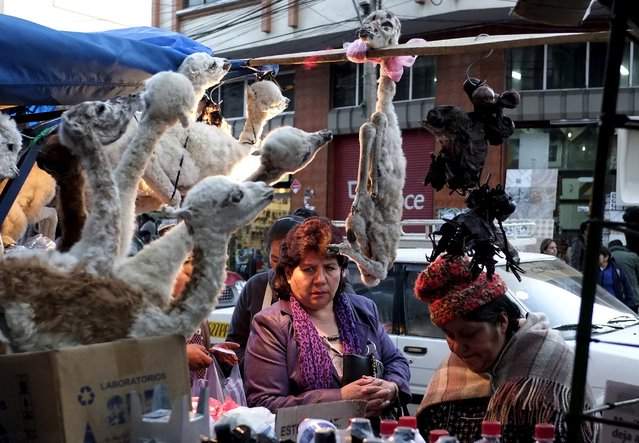
A woman (C) shops for an offering at the witch doctor's street in La Paz, July 31, 2015. (Photo by David Mercado/Reuters)

A woman (C) shops for an offering at the witch doctor's street in La Paz, July 31, 2015. According to Andean culture, the all the month of August is a time to give offerings to “Pachamama” to give thanks for their farms and health. The Aymaras use coca leaves, candies, animal fat, llama fetuses, some dried fruits, powdered minerals and alcohol during these rituals. (Photo by David Mercado/Reuters)
Details
02 Aug 2015 12:27:00
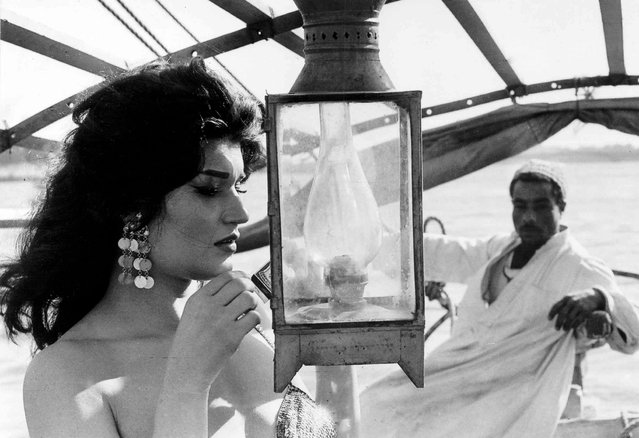
Belly dancer Nagwa Fouad sailing on the river Nile, 1972. Farouk Ibrahim was a society photographer, capturing Egyptian’s political and cultural elite, including presidents Nasser, Sadat and Mubarak. (Photo by Farouk Ibrahim)

Belly dancer Nagwa Fouad sailing on the river Nile, 1972. Egypt is one of 23 countries represented at the Dubai Photo Exhibition, showing off photography that dates to the 1920s. Dubai Photo Exhibition is in various venues of Dubai’s design district from 16-19 March. (Photo by Farouk Ibrahim)
Details
17 Mar 2016 15:09:00
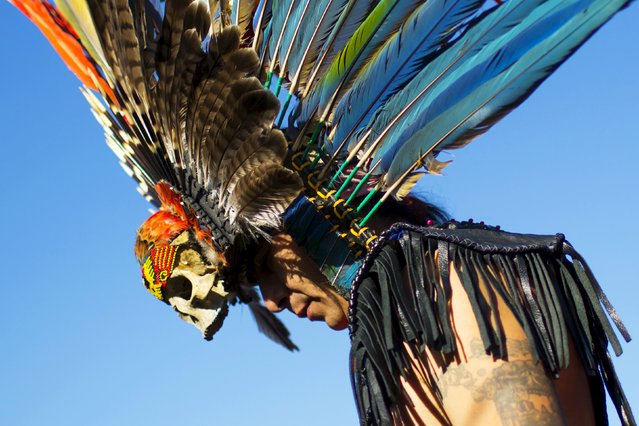
A reveller gets ready to dance during a "pow-wow" celebrating the Indigenous Peoples Day Festival in Randalls Island, New York, October 11, 2015. (Photo by Eduardo Munoz/Reuters)

A reveller gets ready to dance during a "pow-wow" celebrating the Indigenous Peoples Day Festival in Randalls Island, New York, October 11, 2015. The festival is held as a counter-celebration to Columbus Day and is to promote Native American culture and history. (Photo by Eduardo Munoz/Reuters)
Details
15 Oct 2015 08:03:00
History of Suspended Time By Gonzalo Lebrija

Guadalajara-based artist Gonzalo Lebrija created a public art installation in the parking lot (1430 Delgany Street, Denver, CO 80202) across from the Museum of Contemporary Art Denver (MCA Denver) in the summer of 2010. The installation, entitled History of Suspended Time: Monument for the Impossible, was developed as a dual collaboration with MCA Denver's museum-wide exhibition, Energy Effects: Art & Artifacts from the Landscape of Glorious Excess, as well as Denver's inaugural 2010 Biennial of the Americas, an international event that celebrated the culture, ideas and people of the Western Hemisphere.
Details
31 Aug 2014 13:37:00
Magazine Store By Farhad Moshiri

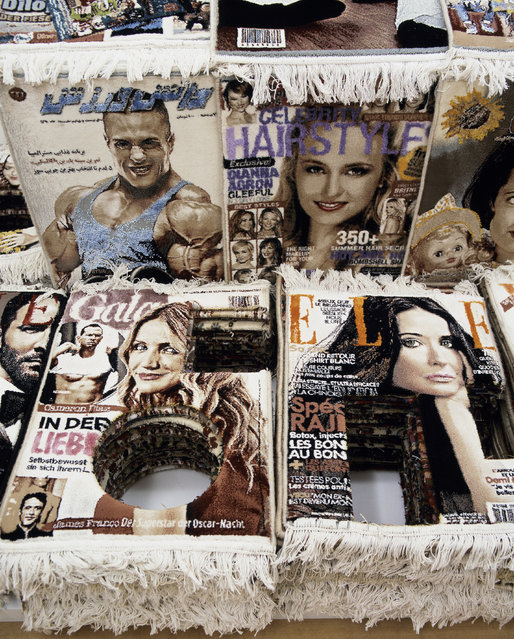
Farhad Moshiri, an Iranian artist working a lot with carpet media using it as a mean to joke about consumerism culture, was one of the participants of the group show Love Me Love Me Not of Yarat! pavilion curate by Dina Nasser-Khadivi (read on her curating Lalla Essaydi's Harem here) at Venice 2013 Art Biennial. The installation consists of more than 500 carpets depicting celebrities-covered magazines from all over the world.
Details
02 Oct 2014 12:15:00
All In By Graham MacIndoe

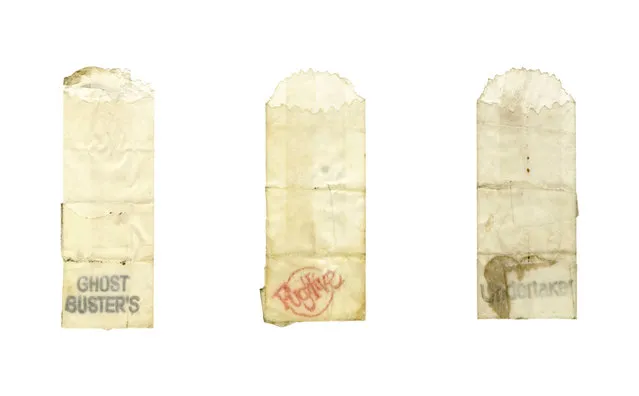
In order to get a glimpse into the visual culture of drug trade in New York City, a British photographer Graham MacIndoe collected more than one hundred bags, which were used to sell heroin. These bags feature references to various movies, fast-food restaurants, and luxury brands. This could be a way to mark various purities of heroin, or maybe different drug dealers use different markers to distinguish between each other. We can only wonder where Graham has acquired all these heroin bags. Hopefully, he picked them up after their contents were emptied. (Photo by Graham MacIndoe)
Details
01 Dec 2014 14:15:00