Loading...
Done


바버렛츠 (The Barberettes) – Barbara Ann (Cover of The Beach Boys). The Barberettes is a South Korean retro, doo-wop female group that debuted in 2014 as a trio, and is based in Seoul.
Details
04 Aug 2020 00:03:00
Tiny World In A Bottle (Video)

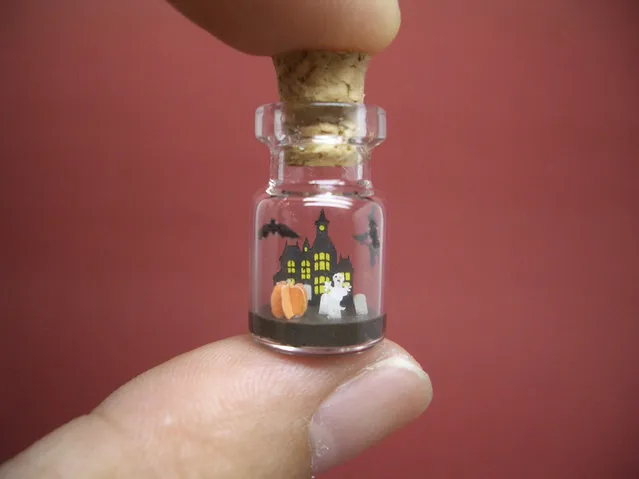
These tiny worlds created in a tiny glass bottle, literally, are the work of Akinobu Izumi. Akinobu uses paper, clay, wax and resin among other materials to create these intricate miniature worlds.
Details
05 Nov 2016 11:09:00
Hands by Ray Massey (Video)

Ray Massey is a London-based photographer who shoots mainly liquids, drinks, hands and still life.

Please Subscribe To: Our Youtube Channel
Details
16 Dec 2016 23:04:00
Van Gogh Paintings On Matchboxes By Salavat Fidai

Russian artist Salavat Fidai is obsessed with things in miniature, and he has previously painted miniatures on pumpkin seeds and carved sculptures into the graphite tips of pencils.

Please Subscribe To: Our Youtube Channel
Details
24 Dec 2016 23:21:00
“s*xy China”. Jane Zhang

“s*xy China”. Simple a two of sucks (buth Cute and s*xy!) chinese pop songs (Music Video). Enjoy! (If you can...)

P.S. Hint! Use a tag "music video" – there are many interesting!
Details
07 Jun 2012 12:09:00
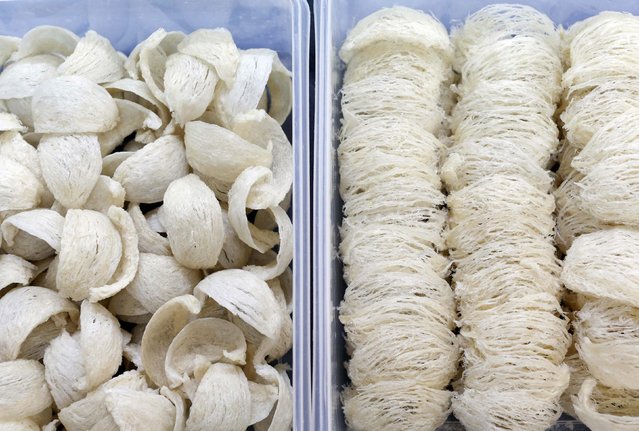
Two styles of cleaned bird's nest, Yan Zhan (L) and Su Zhan (R) await repacking at a processing plant in Kuala Lumpur, February 17, 2015. Prized in China for is alleged health benefits for hundreds of years, nests made from swiftlets' saliva are being mixed into coffee and cereal as the Southeast Asian producers of the delicacy seek to broaden its appeal, and their profit margins. (Photo by Olivia Harris/Reuters)

Two styles of cleaned bird's nest, Yan Zhan (L) and Su Zhan (R) await repacking at a processing plant in Kuala Lumpur, February 17, 2015. Prized in China for is alleged health benefits for hundreds of years, nests made from swiftlets' saliva are being mixed into coffee and cereal as the Southeast Asian producers of the delicacy seek to broaden its appeal, and their profit margins. The nests are among the world's most expensive foods, selling for up to $2,500 a kg and the swiftlets that weave them are indigenous to Indonesia, Malaysia, Thailand and Vietnam. (Photo by Olivia Harris/Reuters)
Details
24 Feb 2015 13:57:00
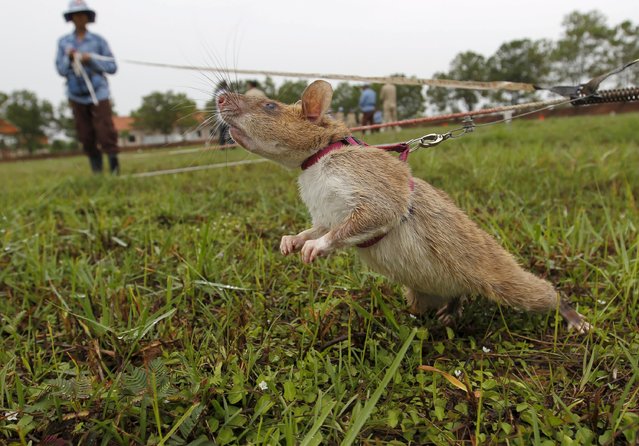
A rat being trained by the Cambodian Mine Action Centre (CMAC) is pictured on an inactive landmine field in Siem Reap province July 9, 2015. Gambian pouched rats were deployed to Cambodia from Tanzania in April by a Belgian non-profit organization, APOPO, to help clear mines. (Photo by Samrang Pring/Reuters)

A rat being trained by the Cambodian Mine Action Centre (CMAC) is pictured on an inactive landmine field in Siem Reap province July 9, 2015. Gambian pouched rats were deployed to Cambodia from Tanzania in April by a Belgian non-profit organization, APOPO, to help clear mines. They've been trained since they were 4 weeks old. Cambodia is still littered with landmines after emerging from decades of civil war, including the 1970s Khmer Rough “Killing Fields” genocide, leaving it with one of the world's highest disability rates. APOPO has used the rodents for mine-clearing projects in several countries, including Angola, Mozambique, Thailand, Laos, and Vietnam. (Photo by Samrang Pring/Reuters)
Details
14 Jul 2015 13:35:00


“Dog meat refers to edible parts and the flesh derived from (predominantly domestic) dogs. Human consumption of dog meat has been recorded in many parts of the world, including ancient China, ancient Mexico, and ancient Rome. According to contemporary reports, dog meat is consumed in a variety of countries such as Switzerland, China, Vietnam, the Philippines, and Korea. In addition, dog meat has also been used as survival food in times of war and/or other hardships”. – Wikipedia

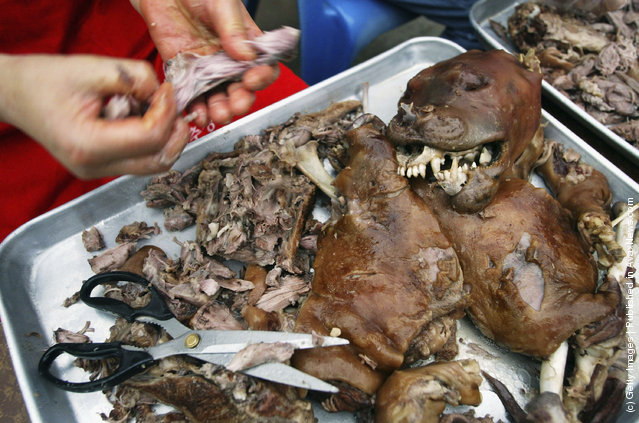
Photo: A chef prepares dog meat at a restaurant on July 4, 2005 in Gwacheon, South Korea. Dog meat is a traditional dish in Korea dating back to the Samkuk period (period of the three kingdoms BC 57 – AD 668). Although many recipes existed historically for dog meat, now chefs only make soups, or dishes using boiled or roasted meat. Koreans traditionally eat dog meat on the hottest day of the summer, for it's reputed benefits of virility, invigoration and health. (Photo by Chung Sung-Jun/Getty Images)

Details
24 Jul 2011 13:21:00