Loading...
Done
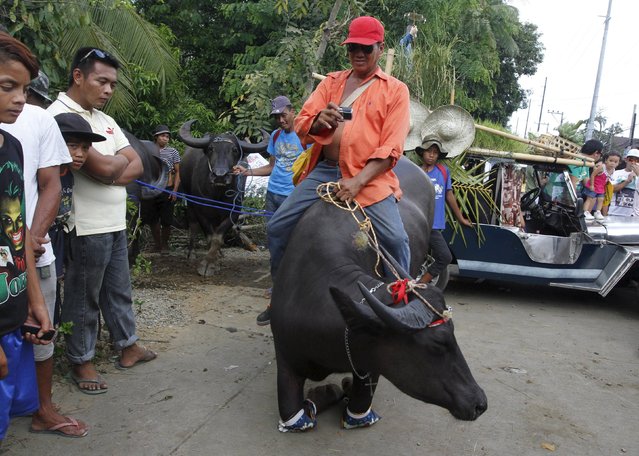
A farmer uses a GoPro as he takes a picture of his carabao kneeling during the annual Carabao Festival in Pulilan, Bulacan in northern Philippines May 14, 2015. (Photo by Lorgina Minguito/Reuters)

A farmer uses a GoPro as he takes a picture of his carabao kneeling during the annual Carabao Festival in Pulilan, Bulacan in northern Philippines May 14, 2015. Water buffalos, locally known as carabaos, are led during a parade in the streets of the town to honour its patron saint San isidro Labrador, and carabaos will kneel in front of the church to give thanks for a year-long bountiful harvest. (Photo by Lorgina Minguito/Reuters)
Details
15 May 2015 10:30:00
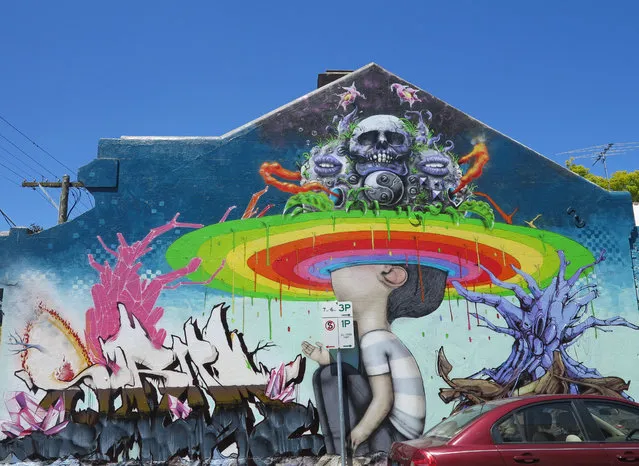
Street Art By Seth Globepainter

Artist Julien “Seth” Malland aka Seth Globepainter has become known around the world for his vibrant murals of people, most frequently children, who appear to be sucked into colorful rainbow-like voids. The figures are usually facing away from the viewer, their attention completely swallowed by pools of dripping color revealed behind drab, urban facades.
Details
03 Jun 2015 10:05:00
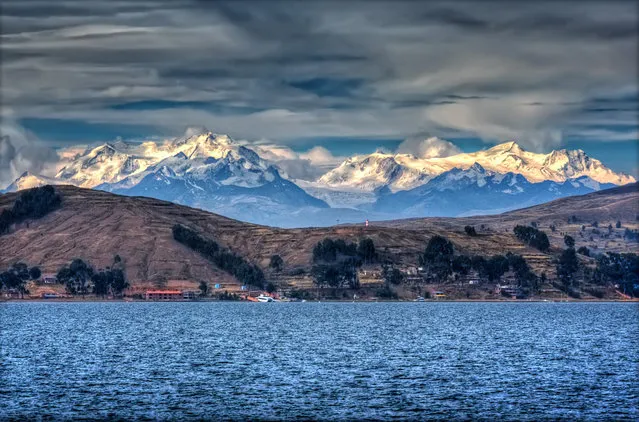
Lake Titicaca

Titicaca or Titiqaqa is a large, deep lake in the Andes on the border of Peru and Bolivia. By volume of water, it is the largest lake in South America. Lake Maracaibo has a larger surface area, though some consider it to be a large brackish bay due to its direct connection with the sea.
Details
22 Jul 2015 12:20:00
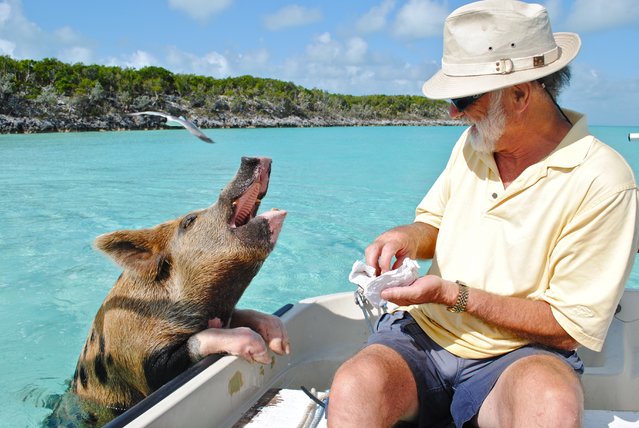
“So you're on a boat in Bahamas and then this pig swims by begging for food”. (Photo and caption by Lisa Larsen/Public Domain)

The Bahamas, the Commonwealth nation of hundreds of islands roughly the size of Connecticut and with population of just a bit over Anaheim, is known for its crystal waters and pristine beaches. This is possibly one of the world’s most beautiful havens of nature, yet people are coming here to see pigs. It is unclear when the pigs first appeared on Exuma Island or where they come from. There’s talk about a daring escape from a shipwreck, or sailors releasing the swine on purpose. In all probability, there were no pigs on this tropical paradise before European settlers came, so their mere presence is the work of human. The intriguing feat of nature, however, is that this population of pigs developed a fine aptitude for swimming. Here: “So you're on a boat in Bahamas and then this pig swims by begging for food”. (Photo and caption by Lisa Larsen/Public Domain)
Details
03 Sep 2015 11:53:00


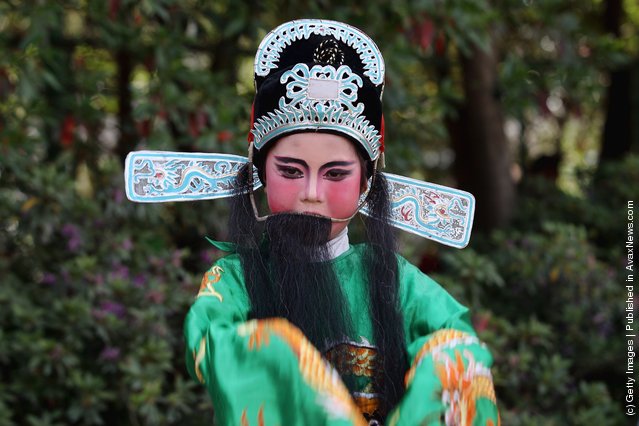
Costume actors to wait before the show at “Chian Tourism Day” Inauguration Ceremony in Ninghai Zhejiang Province on May 19, 2011 in Ninghai, China. Various activities in local famous historic sites are being held to mark the day “China Tourism Day” on May 19. (Photo by Lintao Zhang/Getty Images)
Details
20 May 2011 07:41:00
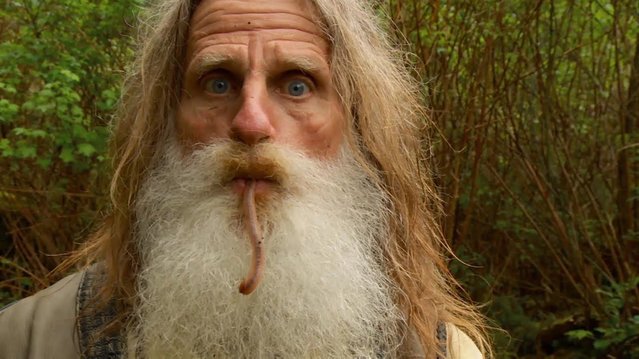
Mick Dodge AKA "The Barefoot Sensei

If you were to meet this guy in the woods, especially if it’s nighttime, you’d probably think that it’s a local troll or a yeti. However, in reality, he’s no yeti. His name is Mick Dodge, and before deciding to live in the woods, he was a marine for six years at Fort Lewis. It is hard to tell what moved him to leave the busy life of the city and start living in the Hoh Rain Forest. It could have been that he decided the leave the stressful life of the city, or maybe he simply loves the solitary life of a hermit. Another thing that is peculiar about Mick Dodge is that most of the time he walks barefoot, hence the nickname “The Barefoot Sensei”.
Details
27 Nov 2014 14:54:00
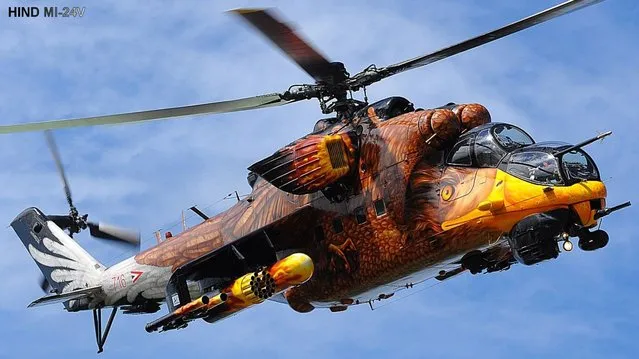
Painted Mil Mi-24 Hind

The pictures are not of an American helicopter, but of a Russian MI-24 "Hind" assault helicopter. It was used extensively by the Soviets in Afghanistan but this paint-job does not appear to be for combat. We suspect it is for purposes of promotion or public performance. There are some pictures of it on display at an air show at Szentkirályszabadja, Hungary. Whether there are others like it, we don't know, the the only pictures of this paint scheme are all on the same helicopter designated number 117.
Details
30 Jun 2013 11:04:00
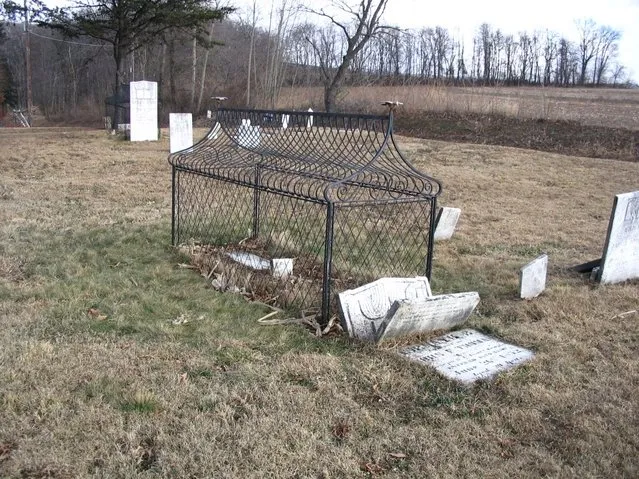
Mortsafe - Protection From The Dead

Mortsafes were contraptions designed to protect graves from disturbance. Resurrectionists had supplied the schools of anatomy in Scotland since the early 18th century. This was due to the necessity for medical students to learn anatomy by attending dissections of human subjects, which was frustrated by the very limited allowance of dead bodies – for example the corpses of executed criminals – granted by the government, which controlled the supply.
Details
29 Nov 2013 12:03:00