Loading...
Done
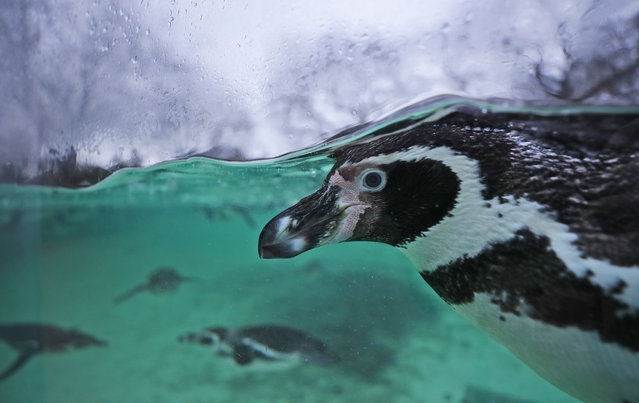
A Humboldt penguin swims in a pool during the annual stock take at ZSL London Zoo in London, Thursday, January 2, 2020. Caring for more than 500 different species, ZSL London Zoo's keepers face the challenging task of tallying up every animal large and small, every mammal, bird, reptile, fish and invertebrate at the Zoo. (Photo by Frank Augstein/AP Photo)

A Humboldt penguin swims in a pool during the annual stock take at ZSL London Zoo in London, Thursday, January 2, 2020. Caring for more than 500 different species, ZSL London Zoo's keepers face the challenging task of tallying up every animal large and small, every mammal, bird, reptile, fish and invertebrate at the Zoo. (Photo by Frank Augstein/AP Photo)
Details
05 Jan 2020 00:03:00
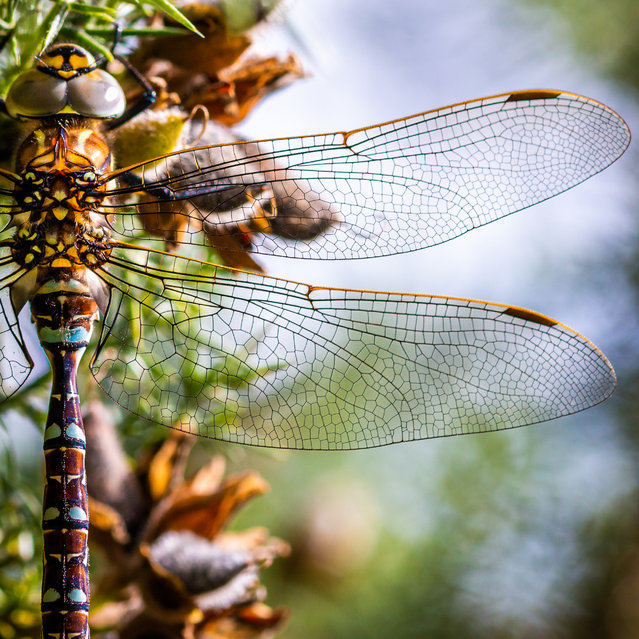
Shortlisted. Dragonfly, North York Moors national park, by Jonathan Green: “In June I was at May Beck with some colleagues when someone spotted this Hawker perched in a gorse bush. I love the detail on the wings, and it’s rare to be able to get so much of such a small subject in clear focus. Getting a few scratches was worth it”. (Photo by Jonathan Green/2020 UK National Parks Photography Competition)

Shortlisted. Dragonfly, North York Moors national park, by Jonathan Green: “In June I was at May Beck with some colleagues when someone spotted this Hawker perched in a gorse bush. I love the detail on the wings, and it’s rare to be able to get so much of such a small subject in clear focus. Getting a few scratches was worth it”. (Photo by Jonathan Green/2020 UK National Parks Photography Competition)
Details
14 Mar 2020 00:05:00
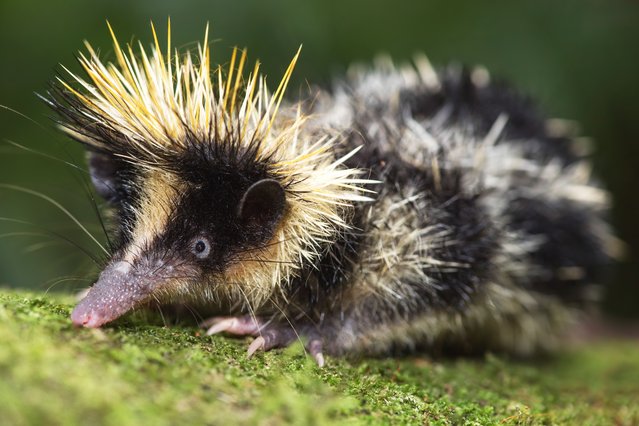
This spiky tenrec was spotted in Madagascar’s Mantadia National Park in the last decade of September 2025. Mostly nocturnal and rarely seen, it puffs out its spines when threatened. Spiky tenrecs are excellent swimmers — unlike most spiny mammals, some species of tenrec can forage in streams and rivers, using their spines for protection while hunting aquatic insects and small prey. (Photo by Dale Morris/Solent News & Photo Agency)

This spiky tenrec was spotted in Madagascar’s Mantadia National Park in the last decade of September 2025. Mostly nocturnal and rarely seen, it puffs out its spines when threatened. Spiky tenrecs are excellent swimmers — unlike most spiny mammals, some species of tenrec can forage in streams and rivers, using their spines for protection while hunting aquatic insects and small prey. (Photo by Dale Morris/Solent News & Photo Agency)
Details
05 Oct 2025 04:02:00
Short circuit

“Throughout those last months photography has grown in me. It has become a part of my life and I wouldn’t have it any other way. Flickr is my small theater, hope you'll enjoy the show”. – ShmilebliK

Photo: Short circuit, 2012 (Photo by ShmilebliK)
Details
07 Jun 2012 10:29:00
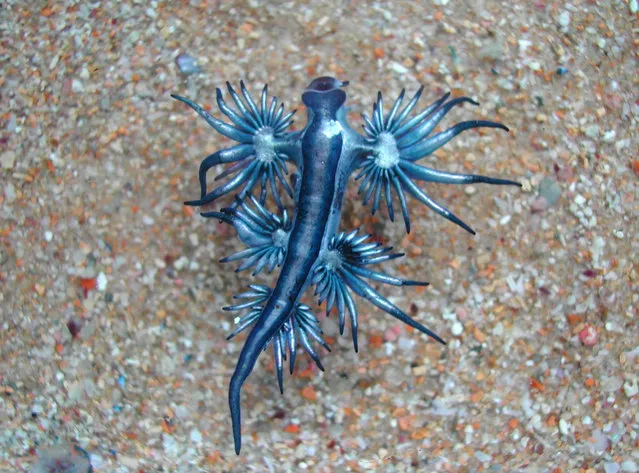
Blue Dragon

Glaucus atlanticus (common names sea swallow, blue glaucus, blue sea slug and blue ocean slug) is a species of small-sized blue sea slug, a pelagic aeolid nudibranch, a marine gastropod mollusk in the family Glaucidae. This is the only species in the genus Glaucus, but is closely related to Glaucilla marginata, which sometimes is included in Glaucus.
Details
12 Sep 2012 08:21:00
Road Trip! (Photo by Thad Lawrence)

Interesting photos which can't be united in a certain series quite often come across to me. Therefore I publish simply a small group of separate pictures – enjoy, if it's interesting to you. Photo: “Road Trip!” (Photo by Thad Lawrence)

Details
05 Oct 2012 09:58:00
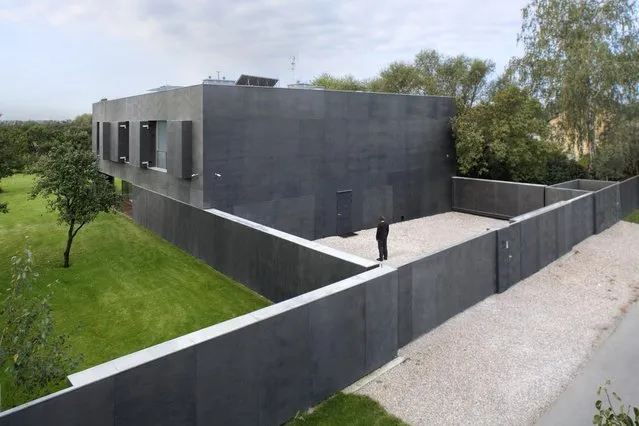
The Safe House By KWK PROMES

The Safe House by KWK PROMES is located in a small village on the outskirts of Warsaw, Poland. Surrounding the area, many of the buildings are “Polish cubes” from the 60s and old wooden barns. The house was designed so that the homeowners never feel unsafe or exposed. The result is something of a modern fortress with lots of movable parts and secret openings, complete with a working drawbridge.
Details
20 Dec 2012 12:42:00
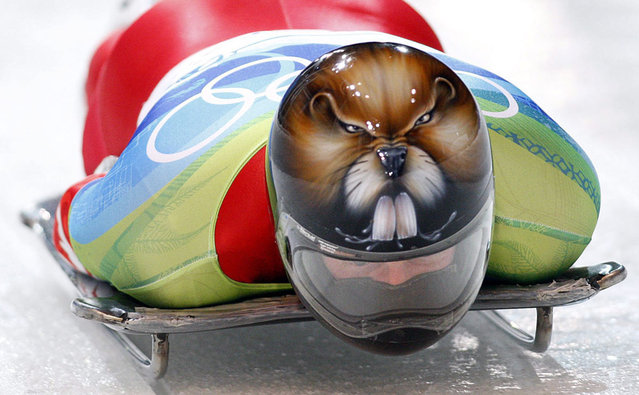
Awesome Helmet  On Sochi Olympics 2014

Skeleton involves a person riding a small sled down a frozen track while lying face down. The sport is a more intense form of luge because skeleton competitors leap onto the sled and slide downhill head first. Skeleton athletes can reach up to 80 mph on straightaways, causing forces up to 5g, so the helmet is a critical component for attitude as well as safety.
Details
12 Feb 2014 13:46:00