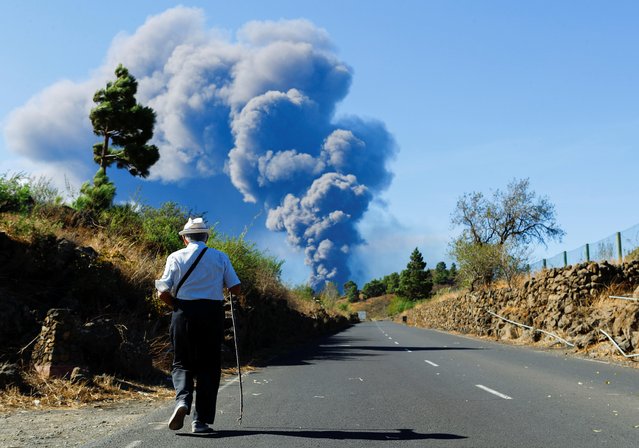
A man walks along an El Paso road while observing a large ash column from the Cumbre Vieja volcano on the Canary Island of La Palma, Spain, October 4, 2021. (Photo by Borja Suarez/Reuters)
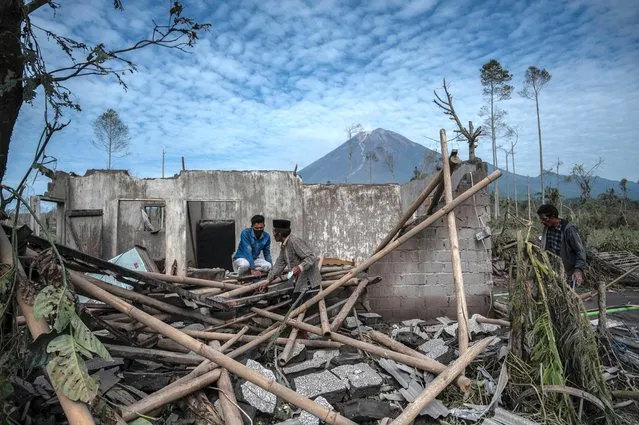
Villagers salvage their belongings from their damaged home at Curah Kobokan village in Lumajang on December 8, 2021, after Mount Semeru volcano eruption that killed at least 34 people. (Photo by Juni Kriswanto/AFP Photo)
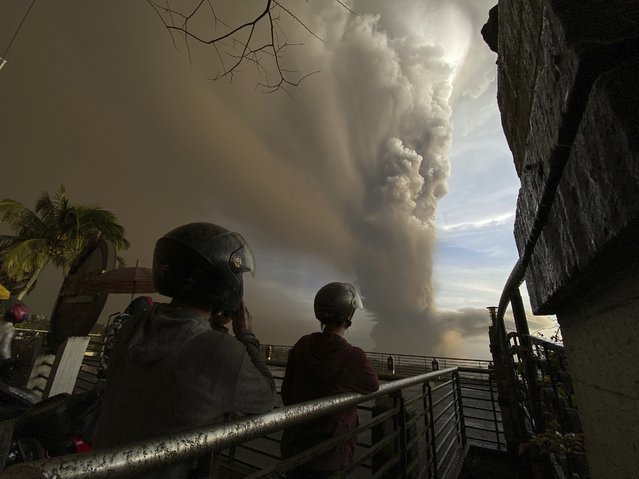
People watch plumes of smoke and ash rise from as Taal Volcano erupts Sunday January 12, 2020, in Tagaytay, Cavite province, outside Manila, Philippines. (Photo by Aaron Favila/AP Photo)
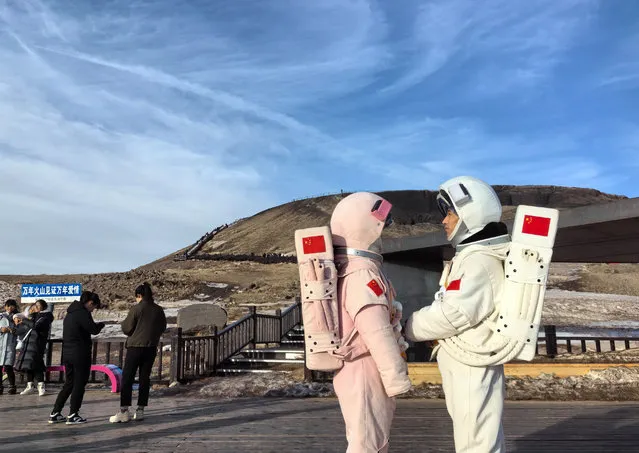
Tourists dressed like astronauts visit Ulan Hada Volcano Geopark on February 13, 2024 in Ulanqab, Inner Mongolia Autonomous Region of China. (Photo by Mao Jianjun/China News Service/VCG via Getty Images)
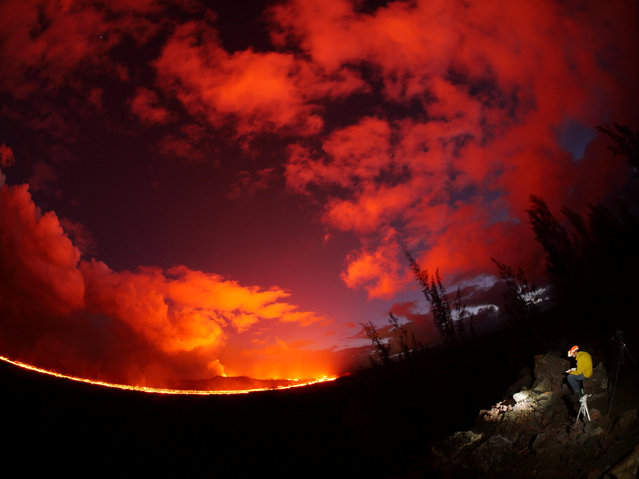
A USGS geologist making observations of the fissure 8 lava channel at sunset is pictured in this July 3, 2018 fisheye lens handout photograph near the Kilauea volcano eruption in Hawaii, U.S. (Photo by USGS/Handout via Reuters)
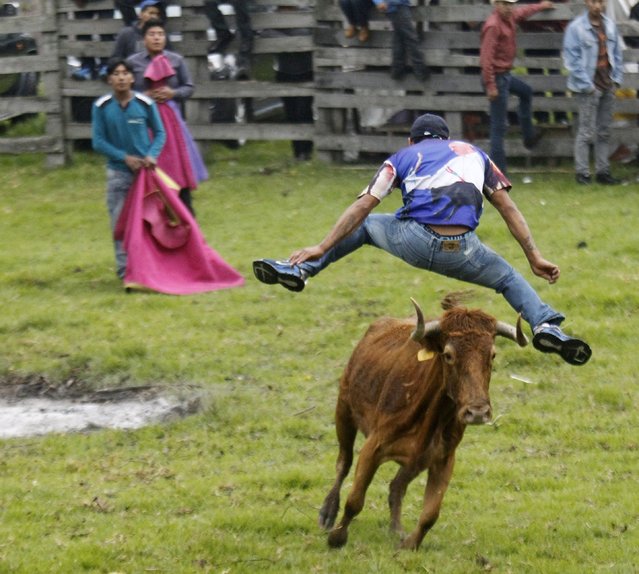
Ecuadorean spontaneous bullfighters participate in a popular bull festival called Las Canteras del Antisana at Pinantura village on the base of the Antisana volcano in Quito, November 28, 2015. (Photo by Guillermo Granja/Reuters)
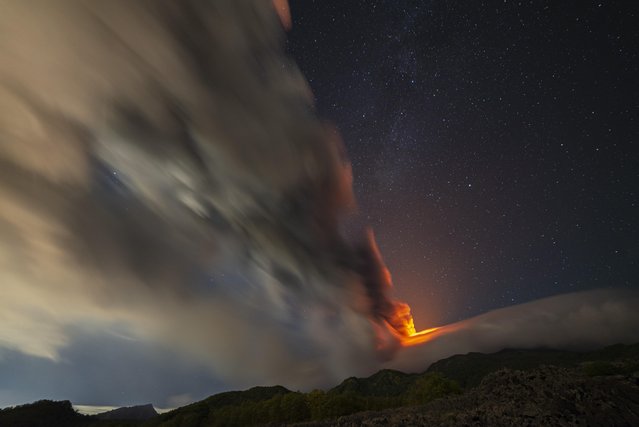
Smoke billows from Mt. Etna volcano, as seen from an area near the village of Sant'Alfio, north of Catania, Sicily, southern Italy, Sunday, November 12, 2023. (Photo by Salvatore Allegra/AP Photo)
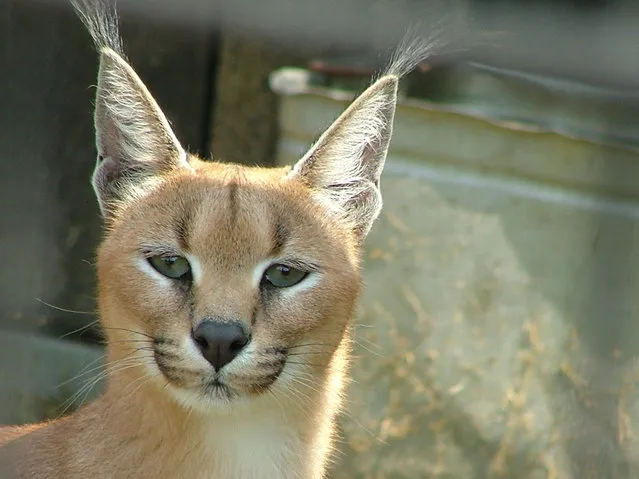
The caracal also known as the desert lynx, is a wild cat that is widely distributed across Africa, central Asia and southwest Asia into India. In 2002 the IUCN listed the caracal as Least Concern as it is widespread and relatively common. The felid is considered threatened in north Africa, and rare in the central Asian republics and India.