Loading...
Done
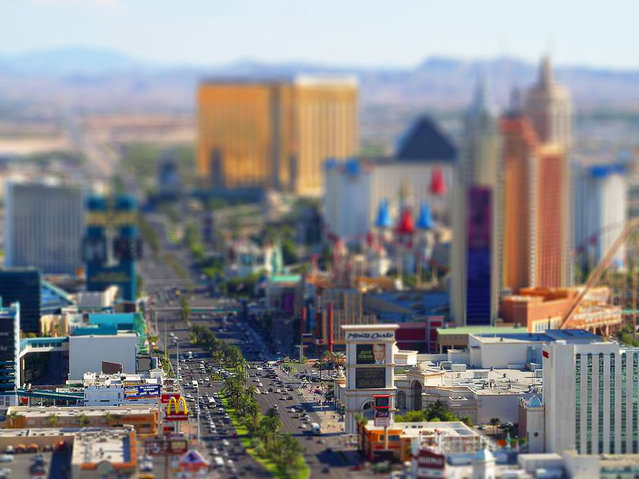
Tilt Shift Photography

“Tilt-shift photography” refers to the use of camera movements on small- and medium-format cameras, and sometimes specifically refers to the use of tilt for selective focus, often for simulating a miniature scene. Sometimes the term is used when the shallow depth of field is simulated with digital post processing; the name may derive from the tilt-shift lens normally required when the effect is produced optically.
Details
28 May 2013 11:03:00
Participants perform during a Latin dance competition in Tel Aviv, Israel July 18, 2015. (Photo by Amir Cohen/Reuters)

Participants perform during a Latin dance competition in Tel Aviv, Israel July 18, 2015. Some 66 dancers took part in the contest on Saturday, selecting a winning couple to represent Israel in the finals of The World Latin Dance Cup, which will be held at the end of the year in Miami. (Photo by Amir Cohen/Reuters)
Details
21 Jul 2015 09:30:00
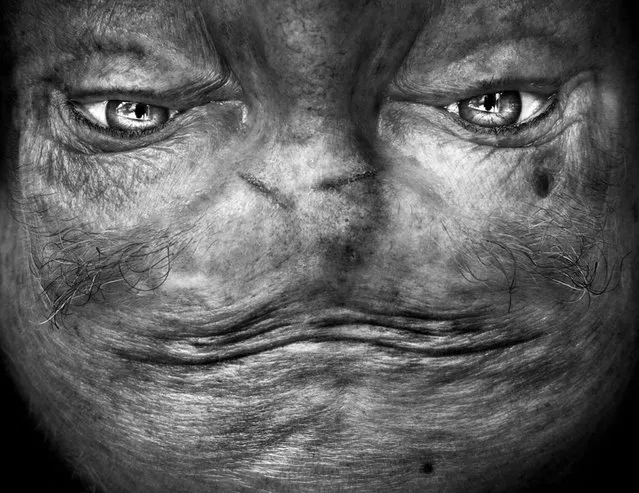
Upside-Down Portrait Photos By Anelia Loubser

This latest photo series by Anelia Loubser, a photographer in Cape Town, reminds us that even the simplest change in perspective can change how things look drastically. By selectively cropping and flipping the dark portraits in her “Alienation” series, Loubser makes basic human portraits look like creepy alien close-ups.
Details
12 Sep 2014 16:54:00
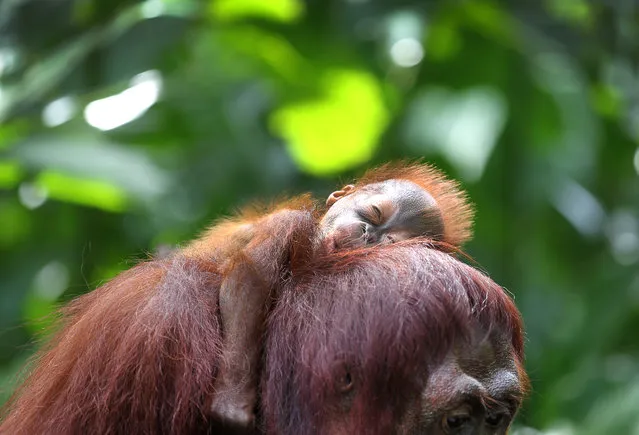
One month-old endangered Bornean Orang Utan sleeps on his mother named Miri on Wednesday, March 6, 2013, in Singapore. The Singapore Zoo is renowned for its flagship animal, the Orang Utan, and exhibits both the endangered Bornean and critically endangered Sumatran sub-species in a social setting. It is also known for its efforts in promoting and educating the public about the importance of wildlife conservation through its educational programs and breeding of these endangered species. (Photo by Wong Maye-E/AP Photo)

One month-old endangered Bornean Orang Utan sleeps on his mother named Miri on Wednesday, March 6, 2013, in Singapore. The Singapore Zoo is renowned for its flagship animal, the Orang Utan, and exhibits both the endangered Bornean and critically endangered Sumatran sub-species in a social setting. It is also known for its efforts in promoting and educating the public about the importance of wildlife conservation through its educational programs and breeding of these endangered species. (Photo by Wong Maye-E/AP Photo)
Details
20 Sep 2013 11:35:00
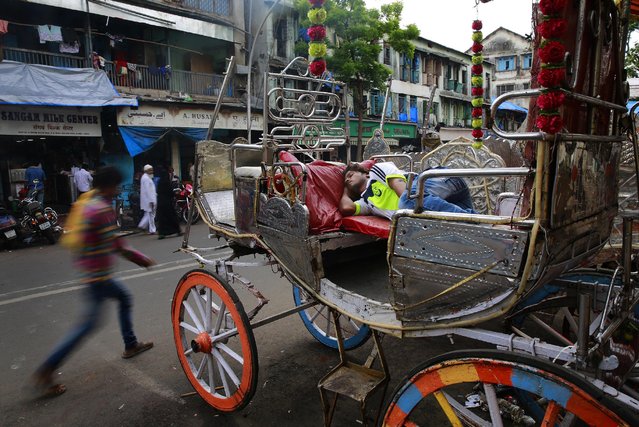
In this June 16, 2015 photo, an Indian coachman sleeps on his Victoria horse-drawn carriage outside a stable in Mumbai, India. Drivers of Mumbai's iconic horse-drawn carriages can't imagine not plying the roads pulling photo-snapping tourists atop their kitsch-covered chariots. Yet that time is coming, thanks to a court order calling such superfluous “joyrides” a form of animal cruelty and banning them in India's financial capital from June 2016. (Photo by Rafiq Maqbool/AP Photo)

In this June 16, 2015 photo, an Indian coachman sleeps on his Victoria horse-drawn carriage outside a stable in Mumbai, India. Drivers of Mumbai's iconic horse-drawn carriages can't imagine not plying the roads pulling photo-snapping tourists atop their kitsch-covered chariots. Yet that time is coming, thanks to a court order calling such superfluous “joyrides” a form of animal cruelty and banning them in India's financial capital from June 2016. (Photo by Rafiq Maqbool/AP Photo)
Details
03 Jul 2015 12:46:00
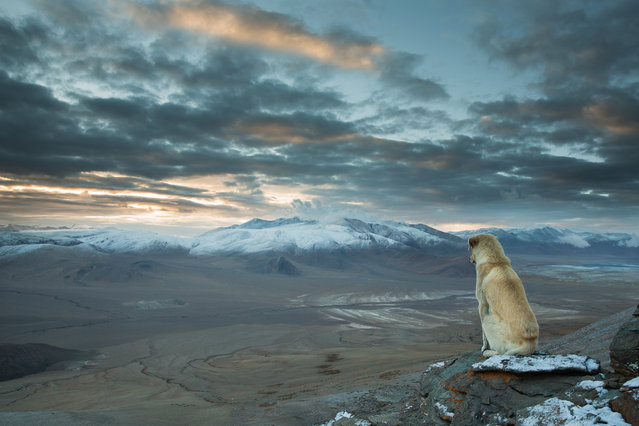
“Himalayan Dog”. This dog just appeared out of nowhere and followed us for an entire week during our trekking trip in the Himalayan outback. He always used to sleep in front of our tent and guarded us in the nights. When I decided to get up at 4 a.m. to climb the next 5000 m peak for sunrise he accompanied me as well. On the top he was sitting for the entire 30 minutes on this place looking straight into the countryside. Photo location: Ladakh, India. (Photo and caption by Sebastian Wahlhuetter/National Geographic Photo Contest)

“Himalayan Dog”. This dog just appeared out of nowhere and followed us for an entire week during our trekking trip in the Himalayan outback. He always used to sleep in front of our tent and guarded us in the nights. When I decided to get up at 4 a.m. to climb the next 5000 m peak for sunrise he accompanied me as well. On the top he was sitting for the entire 30 minutes on this place looking straight into the countryside. Photo location: Ladakh, India. (Photo and caption by Sebastian Wahlhuetter/National Geographic Photo Contest)
Details
01 Apr 2014 10:47:00
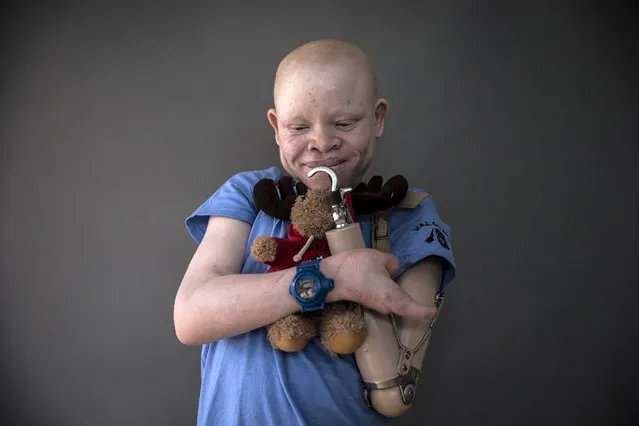
13-year-old Emmanuel Festo from Tanzania poses for a portrait with a plush toy that he says makes him feel safe at night and that he sleeps with, in New York's Staten Island, September 21, 2015. Albino body parts are highly valued in witchcraft and can fetch a high price. Superstition leads many to believe albino children are ghosts who bring bad luck. (Photo by Carlo Allegri/Reuters)

13-year-old Emmanuel Festo from Tanzania poses for a portrait with a plush toy that he says makes him feel safe at night and that he sleeps with, in New York's Staten Island, September 21, 2015. Albino body parts are highly valued in witchcraft and can fetch a high price. Superstition leads many to believe albino children are ghosts who bring bad luck. Some believe the limbs are more potent if the victims scream during amputation, according to a 2013 United Nations report. (Photo by Carlo Allegri/Reuters)
Details
03 Oct 2015 08:04:00
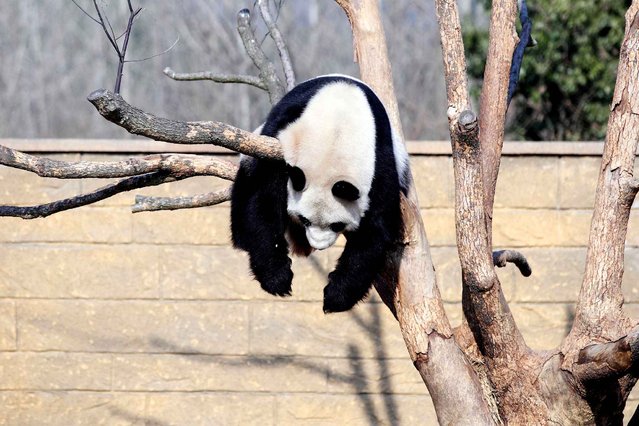
This picture taken on January 1, 2014 shows giant panda “Li Li” sleeping on a tree in Hangzhou Wild Animal World in Hangzhou, east China's Zhejiang province. Giant pandas, notorious for their low s*x drive, are among the world's most endangered animals. Fewer than 1,600 pandas remain in the wild, mainly in China's Sichuan province, with a further 300 in captivity around the world. (Photo by AFP Photo)

This picture taken on January 1, 2014 shows giant panda “Li Li” sleeping on a tree in Hangzhou Wild Animal World in Hangzhou, east China's Zhejiang province. Giant pandas, notorious for their low s*x drive, are among the world's most endangered animals. Fewer than 1,600 pandas remain in the wild, mainly in China's Sichuan province, with a further 300 in captivity around the world. (Photo by AFP Photo)
Details
04 Jan 2014 14:58:00