Loading...
Done
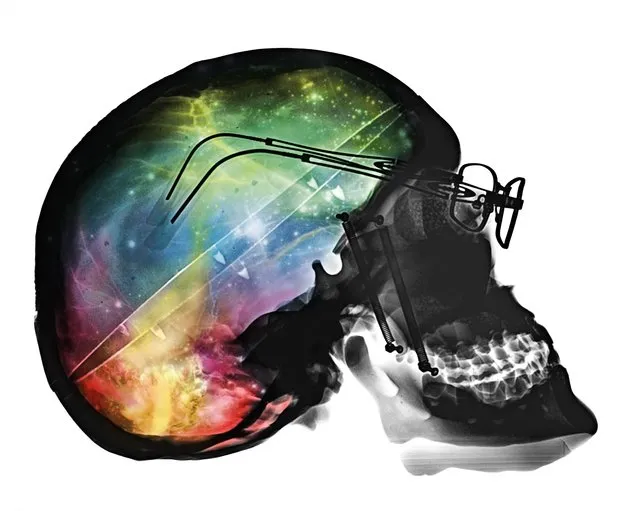
These stunning coloured images show detailed x-ray images of everything from skulls to light bulbs. Artist Paula Fontaine, from Westminster Massachusetts, created the images using a process called digital map painting. Here: Brain storm, conceptual composite X-ray. (Photo by Paula Fontaine/Barcroft Media)

These stunning coloured images show detailed x-ray images of everything from skulls to light bulbs. Artist Paula Fontaine, from Westminster Massachusetts, created the images using a process called digital map painting. To create the images the x-ray emission source – the head of the machine on an arm which focuses the beam – is placed over the object. Paula then retreats behind a shielded screen before activating the x-ray exposure. Here: Brain storm, conceptual composite X-ray. (Photo by Paula Fontaine/Barcroft Media)
Details
27 Mar 2015 13:34:00
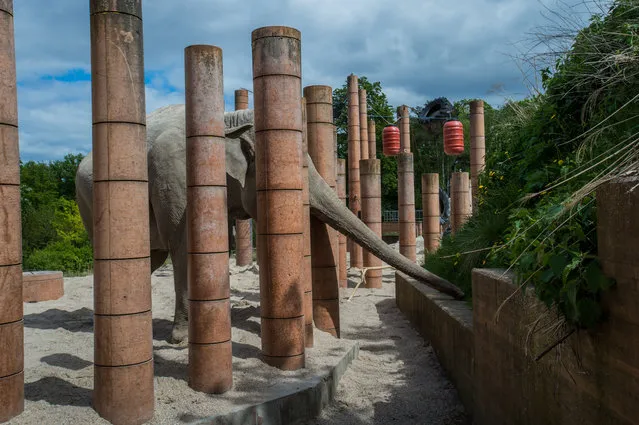
Asian Elephant, Denmark, 2016. (Photo by Jo-Anne McArthur/Born Free Foundation/The Guardian)

Jo-Anne McArthur’s book of photographs puts the spotlight on ethics of zoos around the world. Accompanied by essays by Born Free Foundation’s Virginia McKenna and philosopher Lori Gruen, the images and stories are also shared online through “A Year of Captivity”. Here: Asian Elephant, Denmark, 2016. (Photo by Jo-Anne McArthur/Born Free Foundation/The Guardian)
Details
28 Jul 2017 09:49:00
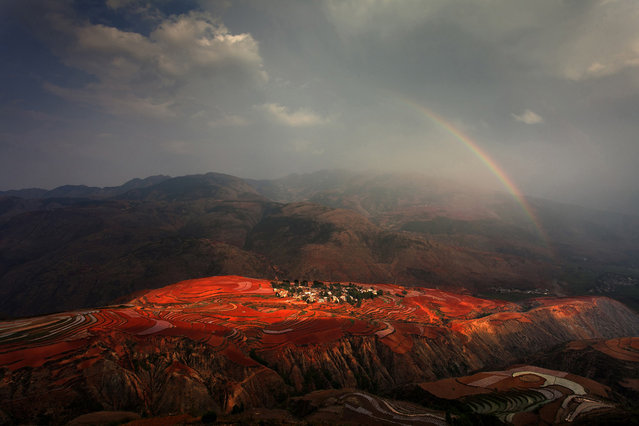
“Red Land: Sunset Cloud Village is one of the most picturesque places in Red Land, China. As its name indicates, it's best to see before sunset. The reddish brown soil turns redder after rainfall and after farmers plow the land”. (Photo and comment by Peng Jiang/National Geographic Photo Contest via The Atlantic)

“Red Land: Sunset Cloud Village is one of the most picturesque places in Red Land, China. As its name indicates, it's best to see before sunset. The reddish brown soil turns redder after rainfall and after farmers plow the land”. (Photo and comment by Peng Jiang/National Geographic Photo Contest via The Atlantic)


Details
05 Dec 2012 11:07:00
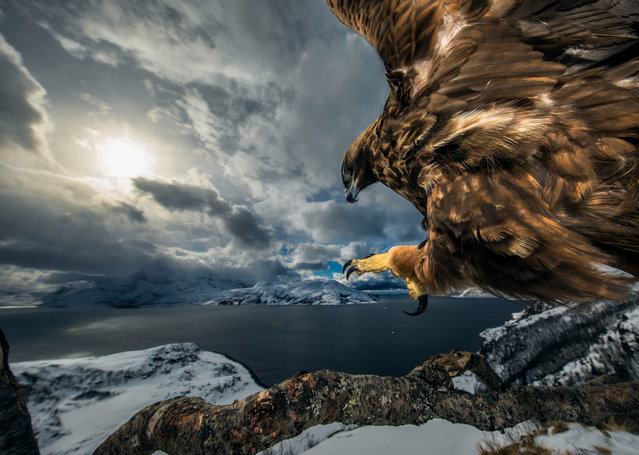
Birds behaviour winner: Land of the Eagle by Audun Rikardsen, Norway. High on a ledge, on the coast near his home in northern Norway, Rikardsen carefully positioned an old tree branch that he hoped would make a perfect golden eagle lookout. To this, he bolted a tripod head with a camera, flashes and motion sensor attached, and built himself a hide a short distance away. From time to time, he left road‑kill carrion nearby. Very gradually – over the next three years – a golden eagle got used to the camera and started to use the branch regularly to survey the coast below. (Photo by Audun Rikardsen/2019 Wildlife Photographer of the Year)

Birds behaviour winner: Land of the Eagle by Audun Rikardsen, Norway. High on a ledge, on the coast near his home in northern Norway, Rikardsen carefully positioned an old tree branch that he hoped would make a perfect golden eagle lookout. To this, he bolted a tripod head with a camera, flashes and motion sensor attached, and built himself a hide a short distance away. From time to time, he left road‑kill carrion nearby. Very gradually – over the next three years – a golden eagle got used to the camera and started to use the branch regularly to survey the coast below. (Photo by Audun Rikardsen/2019 Wildlife Photographer of the Year)
Details
17 Oct 2019 00:03:00
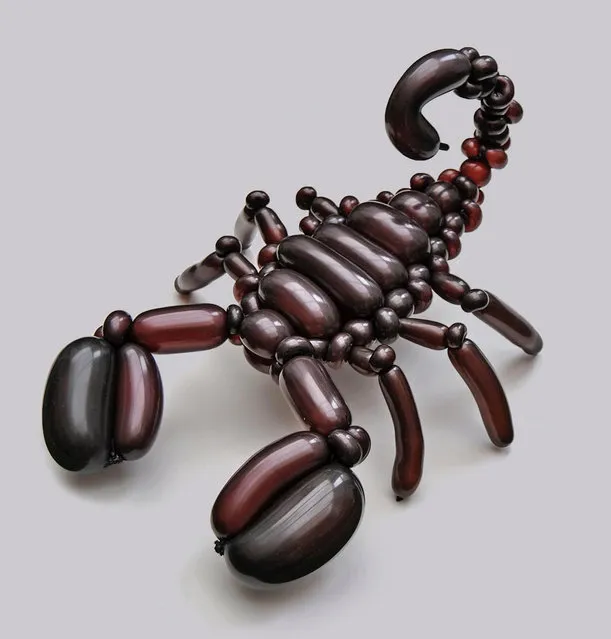
“Scorpian”. (Photo by Rob Driscoll/Caters News Agency)

“A magician has spent the last 12 months creating a different amazing balloon model every day – including cartoon characters and even a life-sized balloon bike. Magician Rob Driscoll, or Robbie the Wizard as he is known in his magic act, from Portsmouth, Hampshire, has fashioned balloons into various shapes for the past year. He has spent time creating famous cartoon characters such as Gru from Despicable Me, Spongebob Squarepants and Sonic the Hedgehog, which he gives away to children at his shows”. – Caters News Agency. Photo: “Scorpian”. (Photo by Rob Driscoll/Caters News Agency)
Details
22 Dec 2013 09:07:00
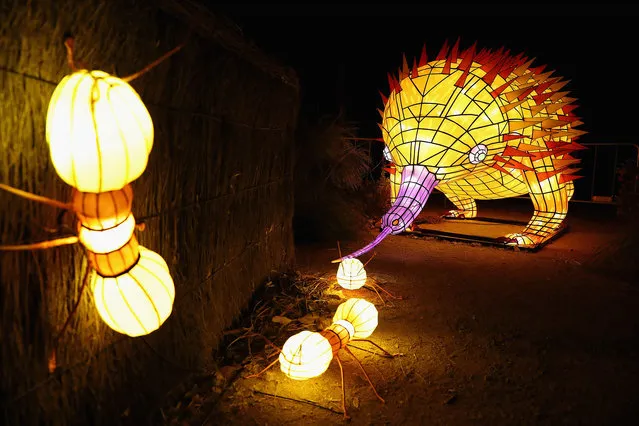
An echidna light sculpture eating ants is displayed during a media preview of Vivid Sydney illuminated displays at Taronga Zoo on May 24, 2016 in Sydney, Australia. Vivid is lighting up at Taronga Zoo for the first time with ten giant animal sculptures representing critical species the zoo is committed to protecting. Held annually, Vivid Sydney is the world's largest festival of light, music and ideas running for 23 days. (Photo by Cameron Spencer/Getty Images)

An echidna light sculpture eating ants is displayed during a media preview of Vivid Sydney illuminated displays at Taronga Zoo on May 24, 2016 in Sydney, Australia. Vivid is lighting up at Taronga Zoo for the first time with ten giant animal sculptures representing critical species the zoo is committed to protecting. Held annually, Vivid Sydney is the world's largest festival of light, music and ideas running for 23 days. (Photo by Cameron Spencer/Getty Images)
Details
25 May 2016 13:23:00
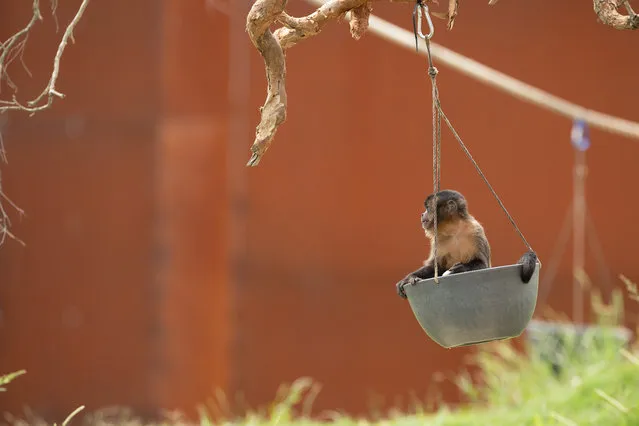
A Tufted Capuchin sits in a hanging food tray on a tree in it's enclosure at Sydney Zoo on February 24, 2020 in Sydney, Australia. Sydney Zoo, located at Bungarribee Park in Western Sydney, is the first new zoo to be built in Sydney in more than 100 years. The Zoo opened to the public on 7 December 2019. (Photo by Mark Kolbe/Getty Images)

A Tufted Capuchin sits in a hanging food tray on a tree in it's enclosure at Sydney Zoo on February 24, 2020 in Sydney, Australia. Sydney Zoo, located at Bungarribee Park in Western Sydney, is the first new zoo to be built in Sydney in more than 100 years. The Zoo opened to the public on 7 December 2019. (Photo by Mark Kolbe/Getty Images)
Details
01 Mar 2020 00:03:00
Of all the species affected by river regulation in Australia, the ibis is one of the few that has changed its behaviour and moved to coastal cities. (Photo by Rick Stevens/The Guardian)

Tip turkey, dumpster chook, rubbish raptor – the Australian white ibis goes by many unflattering names. But it is a true urban success story, scavenging to survive in cities across Australia as wetlands have been lost. Wildlife photographer Rick Stevens captured them in Sydney. Here: Of all the species affected by river regulation in Australia, the ibis is one of the few that has changed its behaviour and moved to coastal cities. (Photo by Rick Stevens/The Guardian)
Details
11 Apr 2018 00:03:00